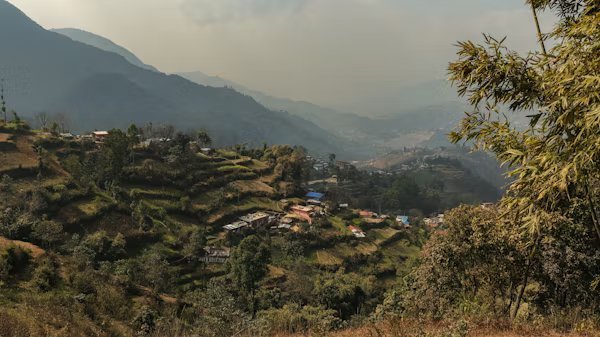
Homestay vs hotel in Nepal? This 2026 guide explains cost, comfort, culture, safety, and why verified homestays offer deeper, more authentic travel.
Homestay vs Hotel in Nepal (2026): Which One Should You Choose? The answer changes everything about your trip. One choice gives you privacy, predictable comfort, and a familiar travel bubble. The other drops you into real Nepali life, family kitchens, local stories, village rhythms, and culture that isn’t performed for tourists. This isn’t just about a bed. It’s about what kind of Nepal you want to meet.
In 2026, homestays in Nepal are more organized and beginner-friendly than ever, while hotels remain the go-to for standardized service in major hubs. Both have their place. But they deliver totally different experiences, costs, and impacts. In this guide, we'll clearly break down comfort, culture, price, safety, and value so first-time visitors can choose smartly, and travelers seeking authenticity can choose confidently.
What a Homestay in Nepal Really Means (Not a “Cheap Hotel”)
A homestay in Nepal is a registered family home hosting travelers, usually with meals and cultural hosting included. Homestays operate under Nepal’s Homestay Operating Directive, which sets basic standards for registration, hygiene, and guest records.
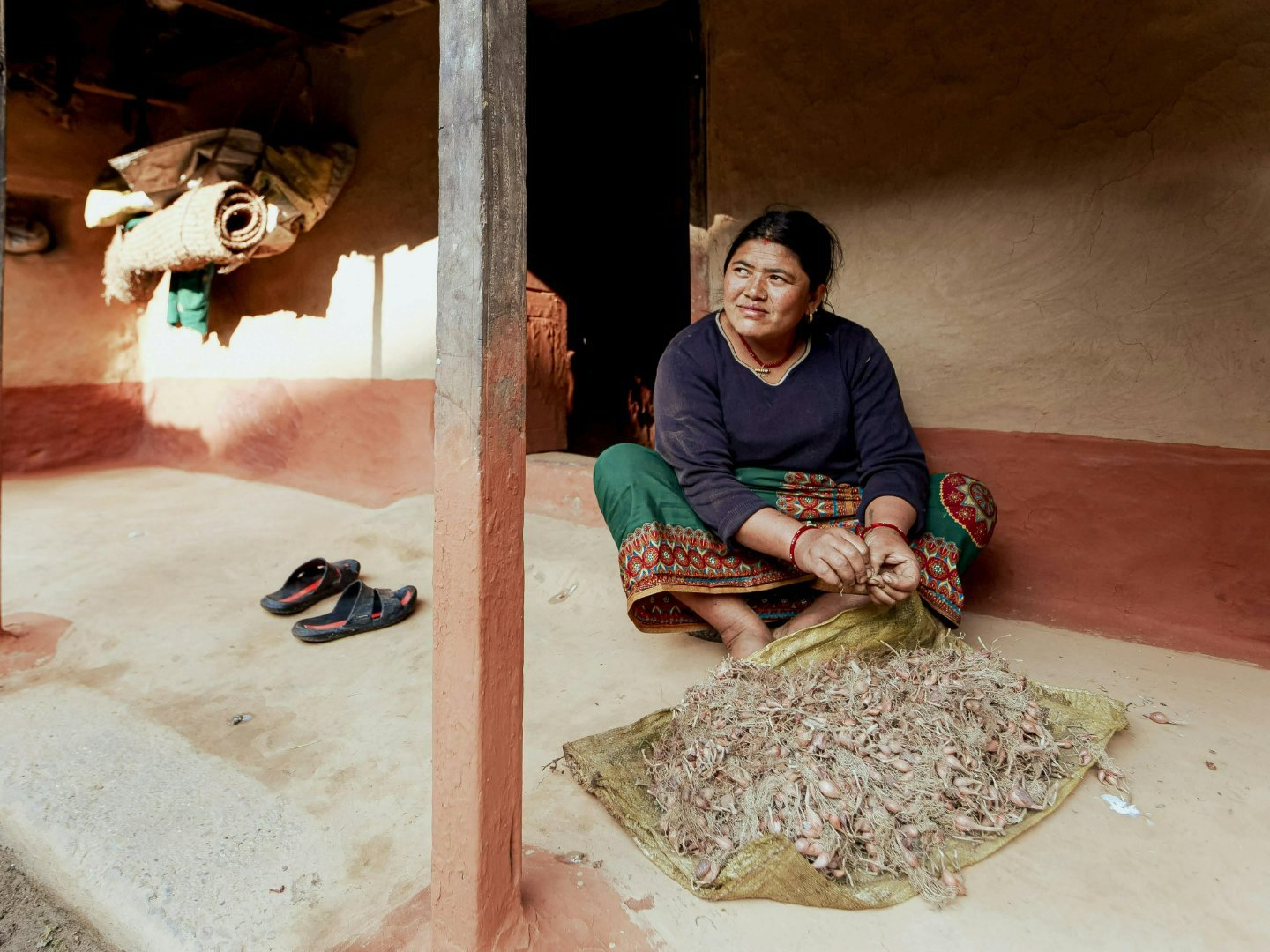
A homestay in Nepal is a family home that hosts you as a guest, not a business pretending to be one. You stay in a real household. The hosts live there. You eat what they cook. You see how the place actually runs day to day. It’s hospitality with people, not just a room with a key.
It also means culture is part of the stay. Not an “extra activity.” It happens naturally. Over tea. Over dinner. In small conversations. In village routines. That’s why a homestay isn’t a cheaper hotel. It’s a different kind of travel. More personal. More local. More Nepal.
What a Hotel in Nepal Typically Offers
Hotels in Nepal range from budget to luxury, especially concentrated in Kathmandu, Pokhara, Chitwan, and trekking hubs. They are designed for privacy, predictable amenities, room service-style hospitality, and minimal social obligations.
Recent cost benchmarks show that in Kathmandu, a typical 3-star hotel often costs roughly NPR 7,000–7,500 per night, while higher-end hotels go far beyond that.
Homestay vs Hotel in Nepal: Quick Comparison Table
Before choosing where to stay, it helps to see homestays and hotels side-by-side. Both work well in Nepal, but they serve different travel goals. This quick comparison highlights the exact differences first-time visitors care about most experience, cost, comfort, and impact.
Looking at this table, the pattern is clear. Hotels win on privacy and consistency, while homestays win on culture, value, and meaningful local connection. Your best choice depends on what you want your Nepal trip to feel like comfortable and contained, or immersive and genuinely Nepali.
Experience Depth: Why Homestays Win for First-Time Visitors

Hotels can be comfortable, but they rarely connect travelers to how Nepal actually lives. Homestays dobby design.
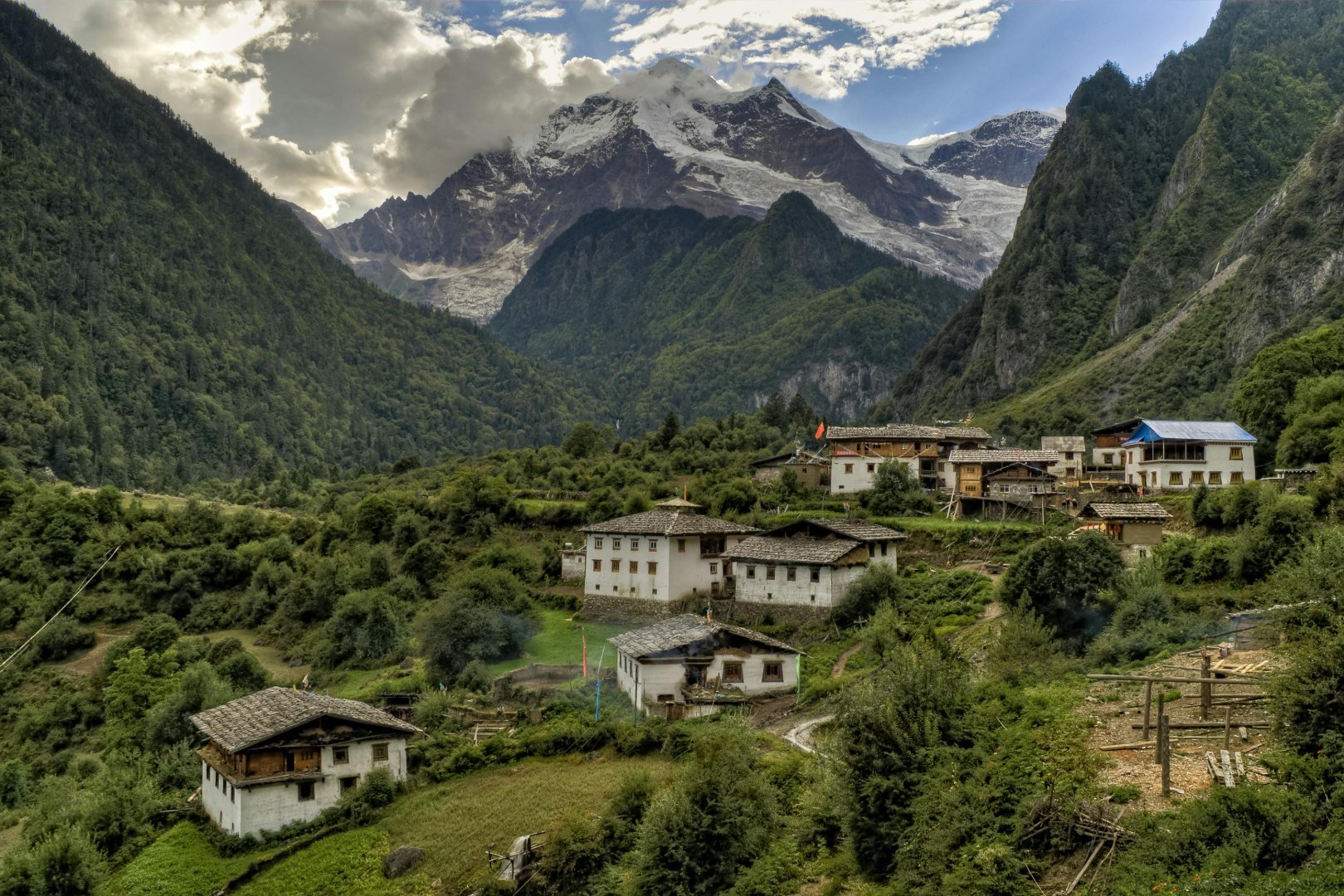
Studies on Nepal homestays tourism consistently show homestays provide authentic cultural exchange, local food systems, and village participation, while also strengthening local socio-economic wellbeing.
In many communities, guests join simple daily experiences like:
cooking with host families
short cultural walks
craft or farming routines
festivals and seasonal rituals
These experiences aren’t staged “performances.” They are everyday Nepal and they’re exactly what first-time visitors usually hope to find.
Cost & Value: Homestays Give More for Less
A major misconception is that hotels always offer “better value.” In Nepal, homestay packages typically include meals and cultural hosting, so the price you see is closer to your final travel cost. By contrast, hotel pricing is room-only, and meals plus transport guidance are extra.
Cost data from recent accommodation benchmarks confirm hotels in Nepal (even mid-range) generally sit far above typical village or community homestay package rates.
What this means for beginners: Homestays reduce hidden costs and provide a fuller experience per rupee.
Community Impact: Homestays Directly Support Nepali Families
This is where homestays and hotels diverge sharply.
Homestays are widely documented as:
generating direct household income
empowering women in rural tourism leadership
preserving cultural heritage through lived value
reducing migration pressure by creating local livelihoods
Hotels, meanwhile, concentrate tourism income in already-developed corridors. They can be great businesses but their benefits don’t spread into villages the way homestays do. If you’re still deciding, you can first understand what homestays in Nepal are and how they work
Comfort & Safety: What First-Timers Should Know
Homestay comfort reality
Homestays in Nepal can be simple or quite comfortable depending on location:
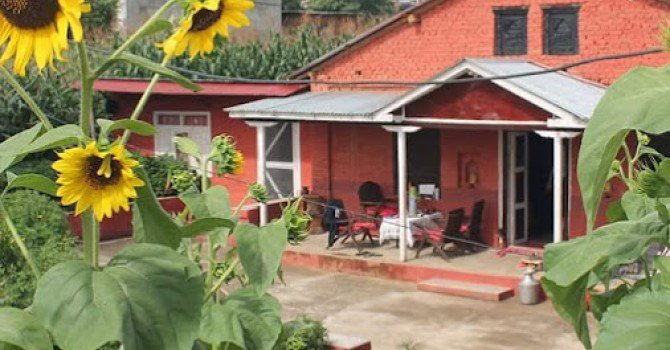
Urban/heritage homestays often feel close to guesthouses.
Rural homestays may have simpler bathrooms or more traditional rooms.
That said, Official registration rules require baseline safety and cleanliness protocols.
Hotel comfort reality
Hotels offer:
attached bathrooms
consistent hot water
room service options
higher privacy
stronger Wi-Fi reliability in cities
So if your trip priority is maximum privacy + standard comfort, hotels may suit you better.
Who Should Choose a Homestay in Nepal?

Homestays are the best fit for:
first-time cultural travelers
families who want safe village immersion
budget travelers seeking value + meaning
eco-travelers focused on sustainable tourism
anyone wanting Nepal beyond tourist bubbles
If your priority is nightlife, anonymity, or luxury services, a hotel may fit better for that specific leg of your trip. Dive into our complete 2026 guide to homestays in Nepal for first-time visitors
Why We Recommend Booking Through NepalHomestays.com
Not all homestays are equal. The biggest risk for first-timers is choosing unverified stays with unclear standards.
Nepal Homestays solves that by offering:
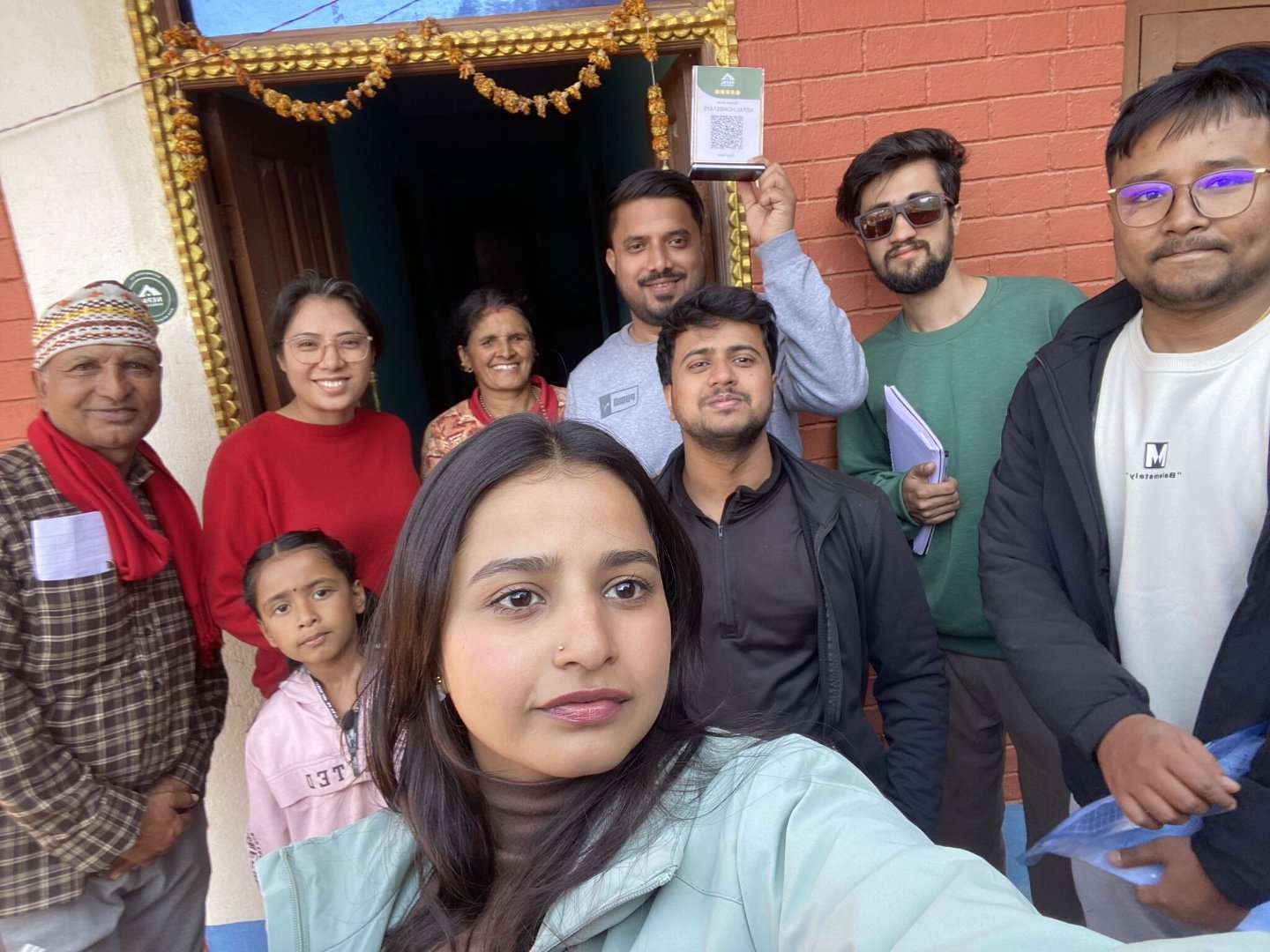
verified host families
clear package details (meals, bathrooms, activities)
transparent pricing
community-aligned stays that match the national homestay model
So you get the cultural depth of homestays without uncertainty.
Conclusion: Homestay vs Hotel in Nepal, The 2026 Best Choice
Hotels in Nepal provide comfort, privacy, and predictability especially in cities. But homestays offer what first-time visitors usually come for: authentic Nepali life, real cultural immersion, and direct community impact at a better overall value. With Nepal’s homestay directive strengthening standards and community networks expanding rapidly, homestays in 2026 are safer and more beginner-ready than ever.
For travelers who want Nepal to feel personal, human, and meaningful, homestays are the clear winner. Visit Nepal Homestays for the top picks verified homestays.
FAQs
1) Are homestays in Nepal cheaper than hotels?
Often yes, especially because homestays usually include meals. Hotels list room-only prices and meals add cost.
2) Do homestays in Nepal include food?
Most verified homestays include dinner and breakfast as part of the package.
3) Are homestays safe for first-time visitors?
Registered homestays must meet minimum standards and keep guest records under the national directive, making verified options safe for beginners.
4) What’s the main advantage of a homestay over a hotel?
The cultural immersion: daily life with local families, authentic food, and real community interaction.
5) Are community homestays better than hotels for impact?
Yes. Community homestays spread tourism income across villages and often empower women-led groups.
6) How do we pick a reliable homestay in Nepal?
Use a verified platform that lists clear inclusions, standards, and pricing nepalhomestays.com is built for exactly that.
Finally shortlist your stays using this guide of best homestays in Pokhara.
Business
Travel writer sharing authentic stories and experiences from Nepal's beautiful homestays.