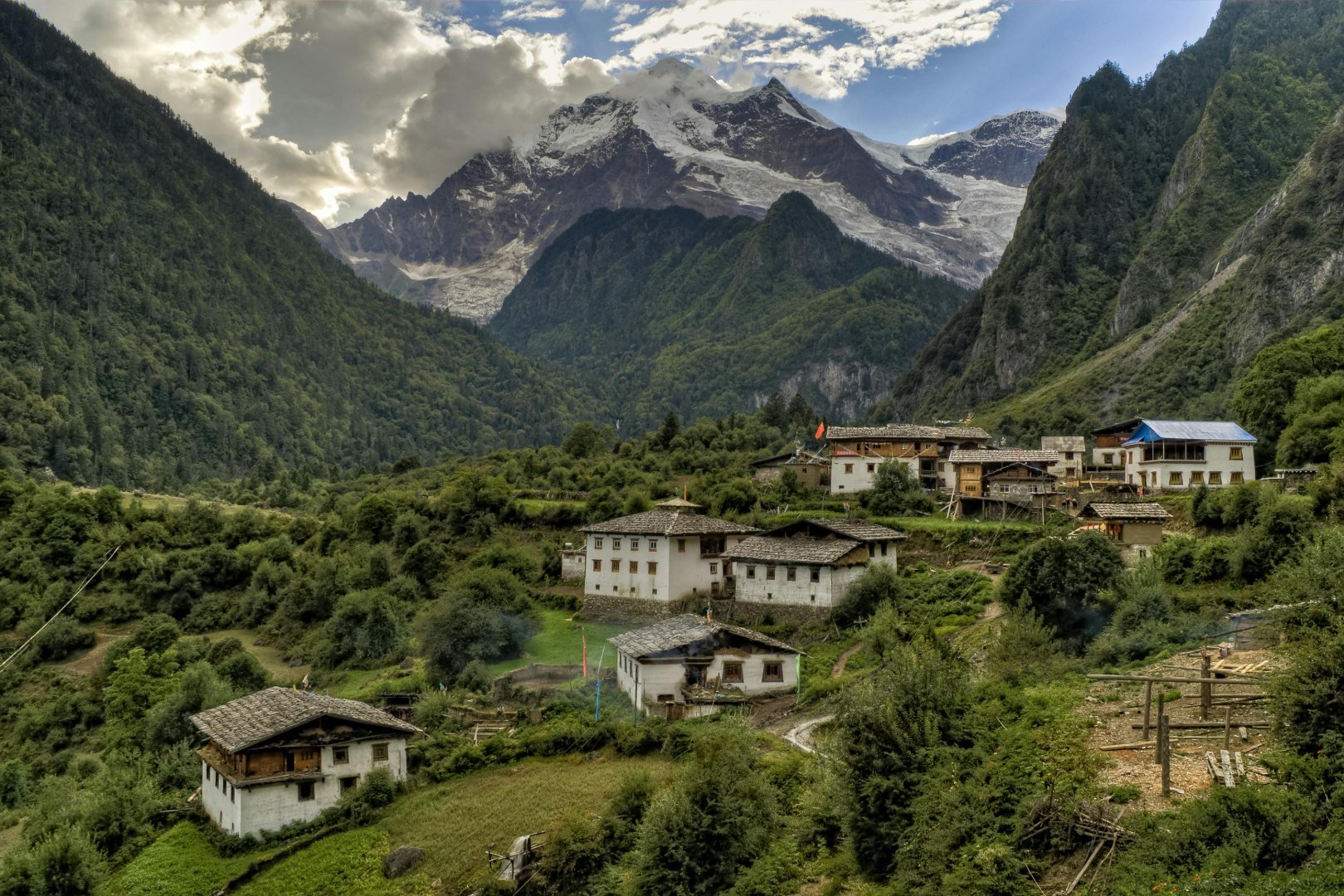
Homestays in Nepal are host-family stays offering real culture, meals, and community life. This 2026 guide explains how they work and why they’re ideal for beginners.
If you’re visiting Nepal for the first time, it’s natural to wonder what homestays in Nepal actually are and how they work on the ground. In simple terms, a homestay is a registered family home that hosts travelers in spare rooms, usually with meals and cultural hosting included. But the real Nepal homestay meaning goes beyond lodging: it’s a structured way to experience local life, support rural livelihoods, and travel more responsibly. Nepal Tourism Board promotes homestays as a way to “experience Nepal the local way,” with homestays spread across villages and heritage towns nationwide.
In 2026, the Nepal homestay guide for beginners is clearer than ever, because community homestay Nepal networks and national standards have matured. Today, first-time travelers can find everything from comfortable homestays near Kathmandu to deeply immersive village homestays in Nepal, all operating within a defined policy framework.
Homestays in Nepal: The Clear Definition First-Timers Need
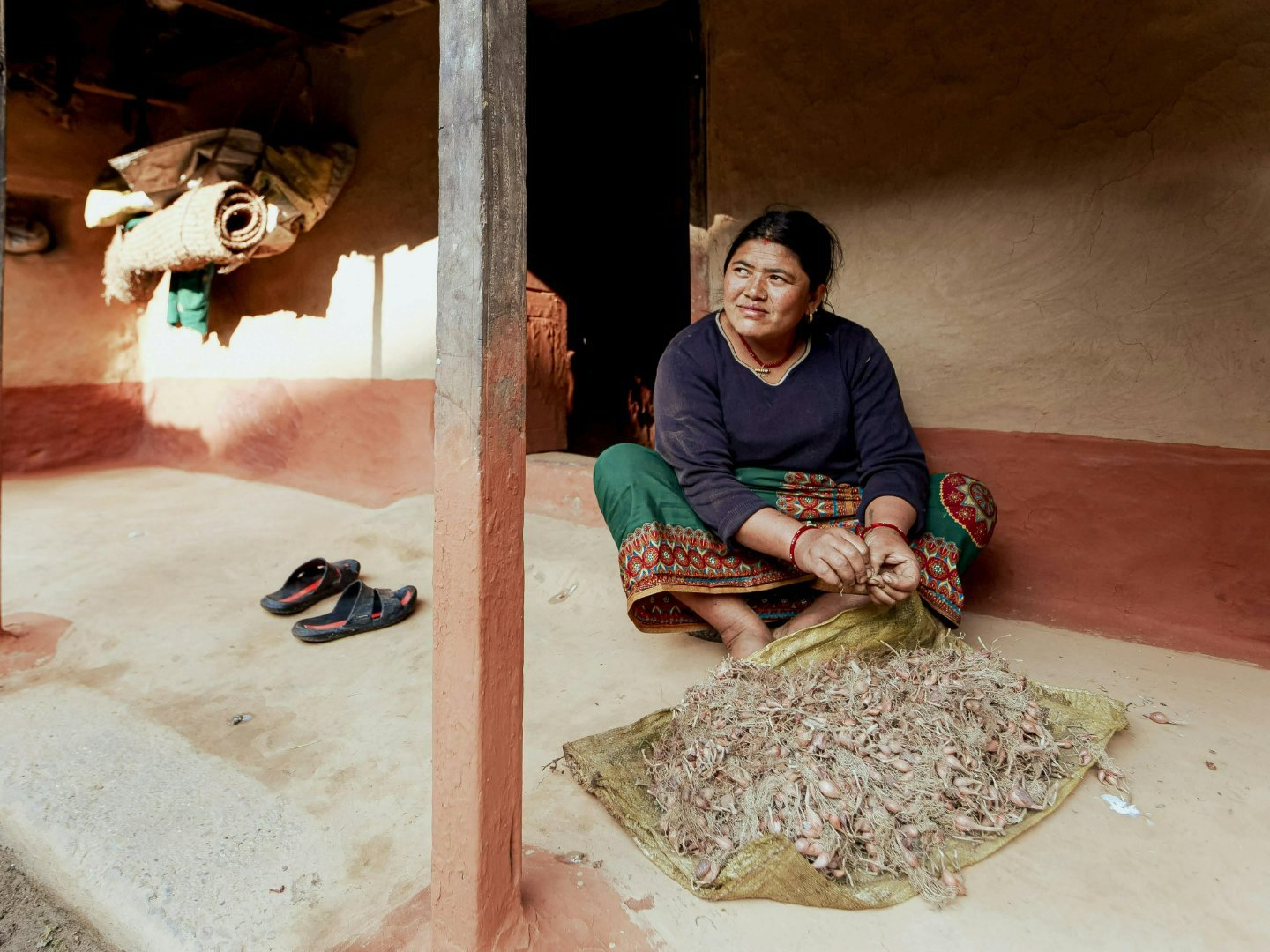
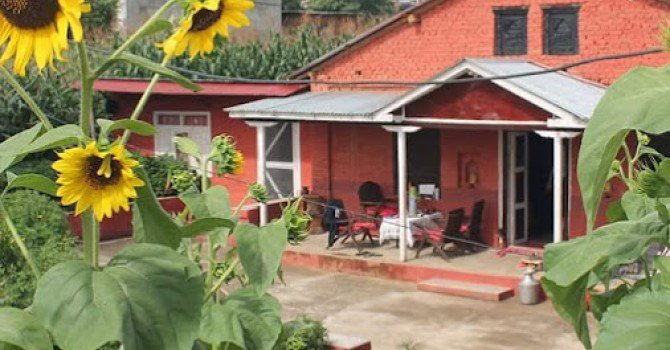
A homestay in Nepal is a local household that welcomes guests into their home, not a separate commercial building. The host family lives on the premises and shares daily routines, which is why guests often describe it as an authentic Nepali homestay experience rather than a “service stay.” You’re hosted as a guest in a family setting, with cultural exchange built into the idea of the accommodation.
Why Homestays in Nepal Are Not the Same as Airbnb or Guesthouses
First-time visitors sometimes assume homestays are like Airbnb rentals. They aren’t. A homestay is host present, meal oriented, and community anchored, whereas Airbnb style rentals are typically host-absent and transaction-only.
This is why the homestay vs hotel in Nepal choice isn’t just about cost. Hotels deliver privacy and standardized services; homestays deliver cultural learning, belonging, and host-guided local insight.
How Homestays Work in Nepal (Step-by-Step)
Understanding how homestays work in Nepal removes most first-timer anxiety. Here’s the real sequence.
1) The home registers and meets baseline standards
Homestays follow Nepal homestay guidelines under the government’s Homestay Operating Directive. Homes must meet minimum requirements for cleanliness, guest safety, and record-keeping, and registration happens through municipalities/wards and tourism offices.
2) Guests book through verified routes
Beginners usually book via verified platforms or recognized community circuits. In a community homestay Nepal program, a village committee often coordinates bookings collectively for quality and fairness.
3) Arrival and family hosting
Hosts welcome you into the house, show your room and bathroom setup, and align meal timings. Because the host lives onsite, a family homestay Nepal stay feels personal, but still structured.
4) Meals and cultural time are part of the stay
Most homestays run on package logic: room + dinner + breakfast + cultural hosting. Guests can join cooking, farming, or craft time if they want, but participation is optional.
5) Community rotation (only for community homestays)
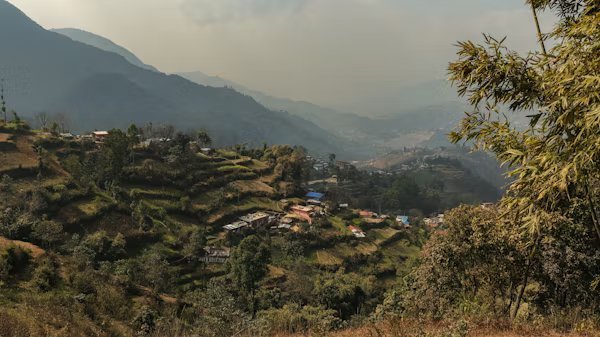
In village networks, guests may rotate among households so income spreads fairly across the community. This rotation model is a defining feature of Nepal’s most successful community homestay systems.
Types of Homestays in Nepal
Nepal has a few distinct homestay types. Knowing them helps first-timers choose the right level of comfort and immersion.
Nepal’s community homestay movement is especially known for women-led hosting groups. The community network began in Panauti in 2012 and has expanded to hundreds of host families across dozens of communities, largely powered by women entrepreneurs.
What’s Included in a Nepal Homestay?
A Nepal homestay cost is typically packaged, so guests pay for an experience rather than itemized services.
Usually included
Private or semi-private room
Dinner and breakfast
Host support and cultural interaction
Help with village walks, viewpoints, or local planning
Often available as add-ons
guided community hikes or heritage walks
cooking and craft workshops
festival participation (seasonal)
pickup from the nearest roadhead
Nepal Homestay Guidelines & Registration System (Why It Builds Trust)
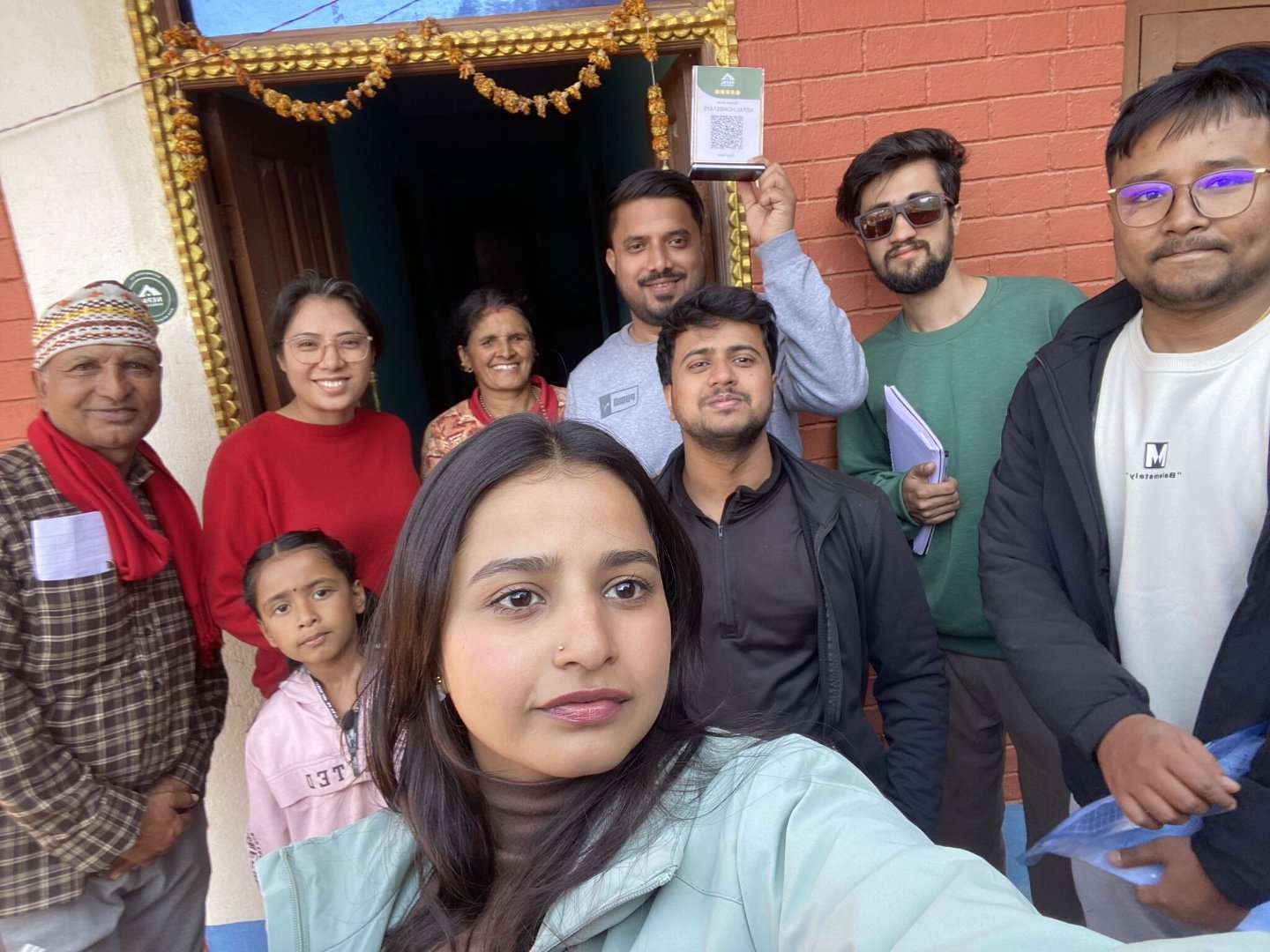
Homestays in Nepal are not informal stays. The Homestay Operating Directive sets the legal and service framework: hosts must live on the premises, maintain guest registers, and meet minimum hygiene and safety norms, while local governments oversee compliance. This directive was designed to generate rural self-employment, involve women and marginalized groups, and spread tourism income into villages.
For first-time travelers, this means you’re entering a system with accountability and standards not an unregulated gamble. If you want to feel comfortable on your first adventure then explore stays in Pokhara.
Why Travelers Love Homestays (And Why Nepal Benefits)
Homestays are powerful because both guests and communities gain.
For travelers
Cultural immersion you can’t buy in hotels
Home-cooked local food
Host-guided insights into traditions and landscapes
Affordable packages compared to hotels/guesthouses
For communities
Tourism income stays inside the village economy
Cultural practices gain real livelihood value
Women gain leadership and financial independence through hosting
Crowded hotspots are eased as tourism spreads outward
Homestays work as a sustainable tourism tool, especially in women-managed community networks that diversify Nepal tourism beyond major hubs.
Explore the best homestay in Kathmandu that fits in your itineraries.
Who Should Choose Homestays in Nepal?
Homestays fit:
first-time visitors who want culture without heavy trekking logistics
budget travelers seeking real value
families wanting gentle village immersion
eco-travelers focused on sustainable tourism homestay Nepal routes
slow travelers who prioritize people over facilities
If someone wants nightlife, anonymous travel, or luxury services, hotels will suit better. If they want Nepal to feel human, lived, and meaningful, homestays are the right choice.
For Nepal’s official standards and regulatory framework, refer to the Homestay Operating Directive under the Ministry of Culture, Tourism & Civil Aviation.
Conclusion
So, what are homestays in Nepal and how do they work? They are registered, host-present family stays backed by national guidelines and often strengthened by community networks. Guests book through verified routes, live alongside host families, eat home-cooked meals, and gain cultural access that hotels simply can’t offer.
For first-time visitors in 2026, the homestays in Nepal are safer, more consistent, and more rewarding than ever pairing comfort with authenticity and travel with real community impact.
FAQs
1) What are homestays in Nepal exactly?
They are registered family homes hosting travelers with meals and cultural engagement, recognized under Nepal’s tourism directive.
2) How do homestays work in Nepal for guests?
Guests book a verified home, arrive to stay in a family household, receive meals, and may join cultural or village activities. Community homestays may rotate guests among families.
3) Are homestays safe for first-time travelers?
Yes, especially registered/verified ones. The directive requires minimum standards and guest record practices. The Ministry of Culture, Tourism & Civil Aviation makes sure that homestays are safe for first-time travelers during their Nepal Visit.
4) What is a community homestay Nepal program?
A village-run network of homestays with shared rules and booking rotation to distribute income fairly.
5) Are women-led homestays common in Nepal?
Very. Many leading community homestay circuits are managed by women’s groups, with CHN alone spanning hundreds of women host-families across Nepal.
6) What’s the difference between homestay vs hotel in Nepal?
Hotels offer standardized services and privacy; homestays offer cultural immersion, family hosting, and direct community benefit.
7) Can vegetarians stay in village homestays in Nepal?
Yes. Many Nepali meals are naturally vegetarian; inform hosts early.
8) Will guests get private rooms and bathrooms?
Private rooms are typical; bathrooms may be attached in towns or shared in villages.
9) Why are homestays important for sustainable tourism in Nepal?
They keep tourism income local, empower rural women, and preserve cultural heritage through lived exchange.
Business
Travel writer sharing authentic stories and experiences from Nepal's beautiful homestays.