When travelers think of Nepal, they often imagine high mountains, temples, and busy streets in Kathmandu. But if you want to feel the real heartbeat of this country, you need to spend time in a local home. A day in a Nepali homestay shows you what real village life feels like, from early morning tea to quiet nights under the stars.
Instead of staying in a hotel and only seeing Nepal from the outside, you live with a family, eat what they eat, and follow their daily rhythm. In this blog, we will walk through what a typical day looks like in a homestay in Nepal, and how simple moments can become your favorite memories.
Waking Up In A Nepali Homestay
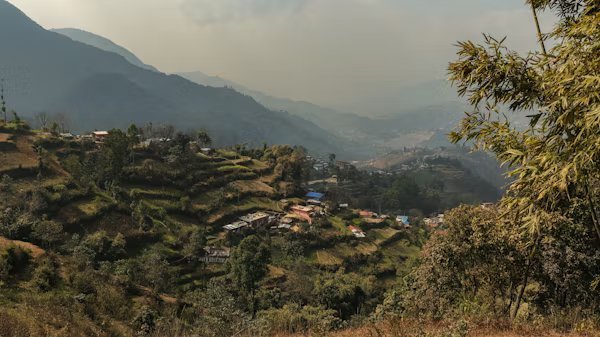
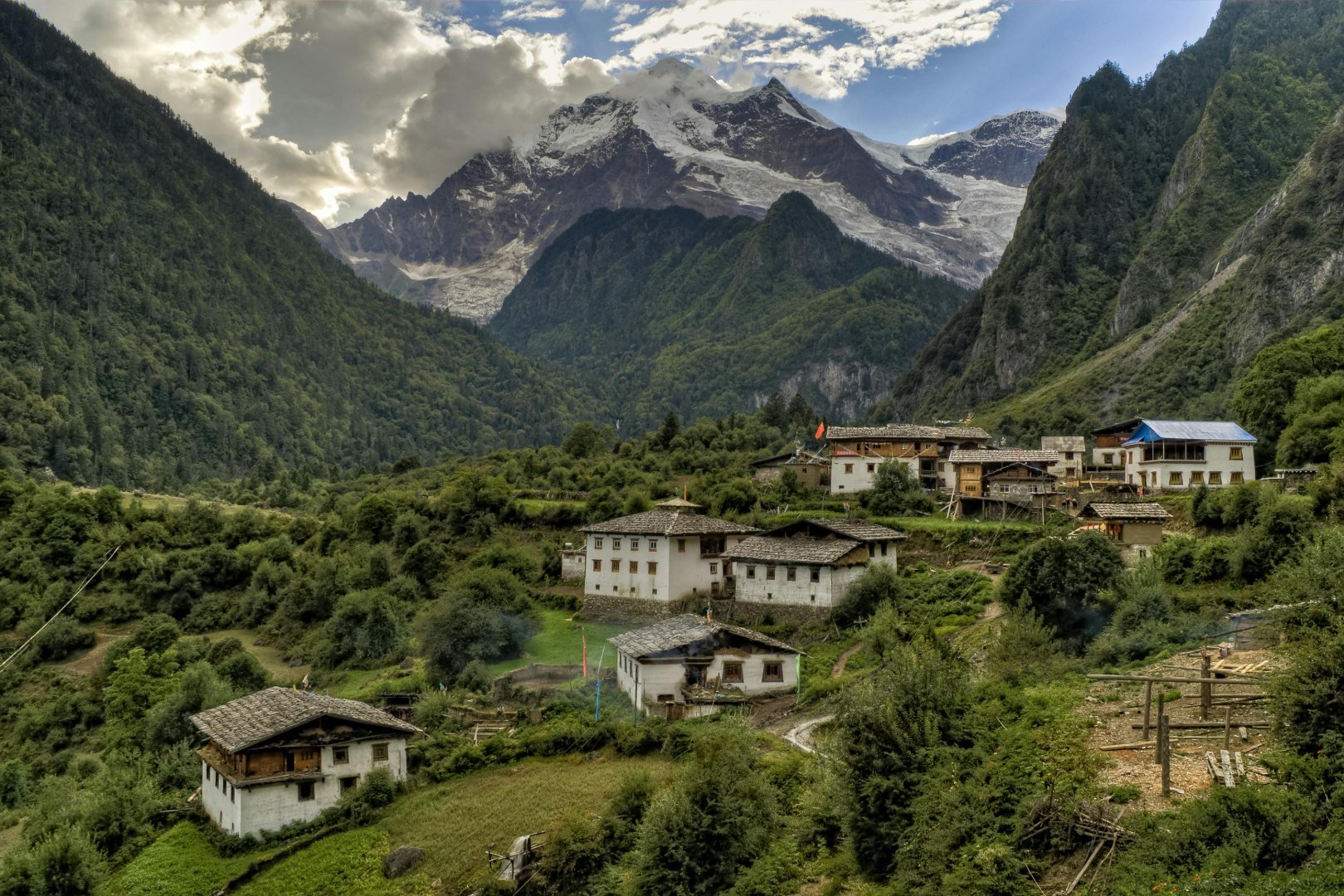
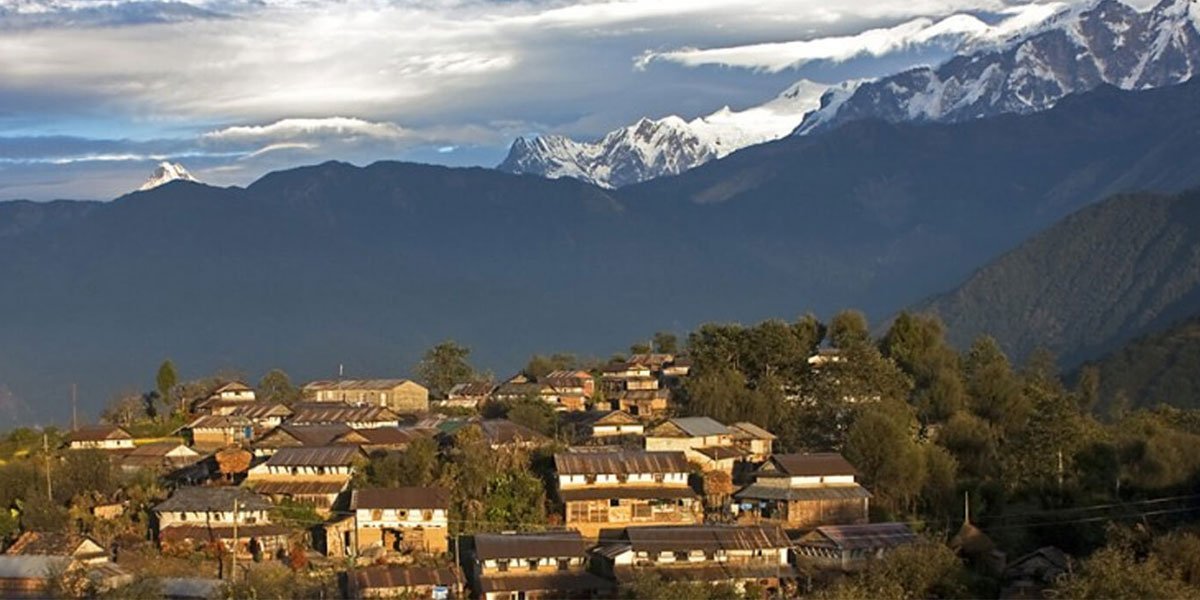
A day in a Nepali homestay usually starts early. You may wake up to the sound of roosters, birds, and distant voices, not to cars and traffic. If you are in the hills, you might see the first light touching the terrace fields, forests, or snowy peaks in the distance.
Someone from the family will often knock softly on your door with a warm cup of tea. You step outside with your glass of milk tea or black tea and sit on the balcony or courtyard. The air is cool and fresh. You watch the village slowly wake up as people feed animals, sweep courtyards, and prepare for the day.
There is no rush. You feel calm, present, and connected to the place in a simple, gentle way.
Breakfast: Simple, Fresh, And Shared
Breakfast in a Nepali homestay is simple but satisfying. It might be roti with vegetable curry, beaten rice with tea, boiled eggs, or leftover rice fried with spices. You sit with the family, often on low stools or the floor, and everyone eats together.
You do not choose from a menu. You eat what the family eats. This makes the experience feel honest and real. You can ask questions about the food, how it is cooked, or where the ingredients come from. Many families grow vegetables in their own fields or gardens.
If you are curious about food, this connects well with many dishes you find in traditional Nepali meals. You may later explore more ideas from something like traditional Nepali foods to try during your homestay stay, which shows how food and culture are closely linked in daily life.
Eating together is not just about filling your stomach. It is a time for talking, planning the day, and building a friendly bond with your host family.
Late Morning: Joining Everyday Life
After breakfast, a day in a Nepali homestay continues with normal village activities. This is when you see how people live when there are no tourists watching.
Depending on where you are, you might:
Walk with your hosts to their fields
Help pick vegetables, carry grass, or water plants
Visit the local school and say hello to children
Go to the nearby market to buy rice, oil, or spices
Join a short hike to a temple, monastery, or viewpoint
You are not forced to join, but you are usually welcome if you want to. These moments show you that village life is a mix of hard work, shared effort, and simple joys.
Your host may tell you stories about their childhood, how the village has changed, or what they hope for their children. You start to see Nepal not just as a travel destination, but as a place full of real lives and dreams.
Lunch: Dal Bhat And More Than That
Lunch is often the main meal of the day. In most homes, this means dal bhat tarkari: rice, lentil soup, vegetable curry, and sometimes pickles or meat. It may look simple, but it is cooked with care.
You sit again with the family, and they often insist you eat more. In Nepali culture, offering extra food is a way of showing love and respect. Guests are not allowed to leave the plate half empty.
You might help in the kitchen before lunch, washing vegetables or cutting onions. These small activities make you part of the process, not just someone being served. You see how long it takes to cook a proper meal on a traditional stove, and you appreciate every bite more.
Afternoon: Rest, Learn, And Explore
Afternoons in a homestay are usually slow and relaxed. This is part of what makes a day in a Nepali homestay feel different from a busy hotel schedule. After lunch, you might:
Take a short rest
Read a book in the yard or balcony
Talk with grandparents or elders about their memories
Learn a few Nepali words or phrases
Visit a neighbor’s house for tea
If you stay for more than a day, you may have time to learn something new. Many guests ask to learn a recipe, try wearing traditional clothes, or practice simple phrases in Nepali. This is also a good time to ask gentle questions about culture and customs.
Understanding how to behave in a local home is important. It fits well with ideas from how to respect local customs while staying with a host family, which explains simple ways to show respect in daily situations.
Evening: Tea, Views, And Village Atmosphere
As the sun begins to set, the village becomes peaceful again. Animals return to their sheds, children finish their homework, and smoke starts rising from kitchen chimneys.
Your hosts might offer you another cup of tea. This time, you sit and watch the sky turn orange, pink, and then deep blue. If the weather is clear, you may see stars slowly appear.
Evenings are often the best time for conversation. People are done with the day’s work and more relaxed. You may talk about your country, your family, your work, and why you chose to travel to Nepal. In return, your hosts share their own stories.
There may be moments of silence, but they feel comfortable. You do not need constant activity. Just being there, together, feels enough.
Dinner And The Warmth Of A Family Kitchen
Dinner in a Nepali homestay is usually similar to lunch, often another serving of dal bhat, with some small changes in the side dishes. It might be eaten a bit later in the evening, after everyone has finished their tasks.
You sit in the kitchen or main room, often near the fire or stove. The warmth of the fire, the sound of cooking, and the smell of spices create a cozy feeling.
As you eat, family members may joke with each other, tease the children, or talk about the next day. You are part of the circle. They might ask you if the food is too spicy, if you are warm enough, or if you need anything for the night.
These small checks and questions are part of Nepali hospitality. They show that they truly care about you, not just as a guest, but as someone they feel responsible for.
Night: Silence, Stars, And Reflection
After dinner, village life becomes very calm. There may be a few lights on in houses, but the sky is usually much darker than in cities. This makes the stars brighter and the night quieter.
You might step outside for a few minutes to look at the sky. You hear only insects, distant dogs, or the wind. It is a good time to think about your day. You remember the laughter during meals, the smells from the kitchen, the simple work in the fields, and the gentle kindness of your hosts.
Many travelers say that nights in a homestay are when they realize how busy their normal lives are, and how good it feels to slow down for a while. This feeling is closely linked to the idea of traveling more slowly and deeply, which is also the heart of what is slow travel.
How A Day In A Nepali Homestay Changes The Way You Travel
Spending a day in a homestay in Nepal does more than show you local life. It often changes how you think about travel itself.
You see that the best memories do not always come from famous sights or expensive activities. They come from:
Sitting on the floor and eating with your hands
Trying to say a few words in Nepali and making people smile
Helping with a simple task and hearing “Dhanyabad”
Being invited to join a puja, wedding, or small family event
You begin to travel less like a tourist passing through and more like a guest who briefly becomes part of the place. This kind of experience also supports the idea that homestays are not only about staying somewhere cheap. They are about cultural exchange and understanding, which you can see clearly in ideas shared in how homestays in Nepal support cultural exchange and understanding.
How Your Stay Helps The Community
A day in a homestay is also part of a larger story for the village. Your visit brings more than just company. It brings income and new chances for local families.
The money you pay for your stay often helps with:
School fees for children
Medicine and health costs
House repairs or improvements
Seeds, tools, or livestock for farming
In some places, homestays are part of community based tourism groups. Families follow simple rules to protect the environment, respect local culture, and share benefits fairly. This kind of travel is supported by global groups like the UN World Tourism Organization, which encourage tourism that helps both people and nature.
By staying in a homestay, you become part of this effort. Your choice supports a more fair and kind way of traveling.
Final Thoughts
A day in a Nepali homestay may sound simple from the outside, but inside it is full of meaning. It is made of small actions: a cup of tea, a shared meal, a smile, a story, a walk through the fields, a warm blanket, and a gentle “good night.”
These moments show you a side of Nepal that many visitors never see. You do not just look at the country. You live in it for a short time, side by side with people who call it home.
If you want to feel this for yourself, you can look for community based homestays through platforms like Nepal Homestays, where local families welcome travelers into their homes with open hearts and open doors.
Staying in a homestay is not only about where you sleep. It is about how you feel. In Nepal, that feeling is often simple and strong. It feels like being cared for. It feels like being home.
Frequently Asked Questions
1. What is a typical day like in a Nepali homestay?
A typical day in a Nepali homestay starts with morning tea, simple home-cooked meals, and village activities like farming, walking to the market, or visiting nearby temples. You spend time with the family, join their routine, and end the day with dinner and quiet conversation.
2. Is it safe to stay in a homestay in rural Nepal?
Yes, most homestays in rural Nepal are family-run and very safe. You stay inside a local home, usually with parents, grandparents, and children. As long as you choose registered or recommended homestays, you can feel comfortable and well looked after.
3. What kind of food will I eat in a Nepali homestay?
You will usually eat traditional Nepali food like dal bhat (rice and lentils), seasonal vegetables, pickles, roti, and sometimes meat dishes. Meals are simple, fresh, and often made with ingredients from the family’s own fields or garden.
4. Do I need to speak Nepali to stay in a homestay?
No, you do not need to speak Nepali. Many hosts know basic English, and simple words like “Namaste” and “Dhanyabad” help a lot. Smiles, gestures, and patience make communication easy and friendly.
5. How many days should I stay in a Nepali homestay?
Most travelers stay 2 to 3 nights to really feel village life, join daily activities, and build a connection with the family. If you want a deeper experience, staying 4 to 7 days lets you slow down and feel more like part of the community.
Company Admin
Travel writer sharing authentic stories and experiences from Nepal's beautiful homestays.