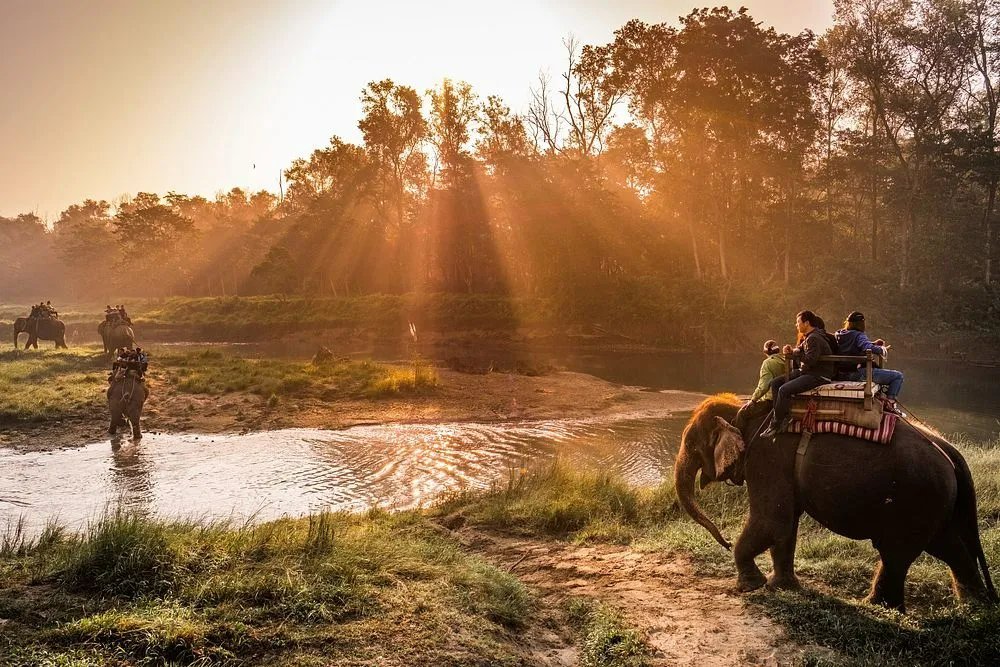
Bardiya National Park is Nepal's best-kept wildlife secret, with fewer crowds, wilder conditions, and genuine tiger sightings. This guide covers safari costs, a 3-day itinerary, and why staying with a Tharu family beats any resort. The journey takes effort. It's worth it.
If you want to see wild tigers in Nepal without sharing the trail with a dozen other jeeps, Bardiya National Park is where you go.
Chitwan National Park is easier to reach and better known. But during peak season, it can feel rushed and commercial. The safaris are good, but the experience often feels managed. Bardiya solves that. It sits further west, gets a fraction of the visitors, and the wildlife here moves on its own terms.
This guide is for wildlife lovers, off-grid travellers, and anyone who wants more than a tourist package. Here is what it covers:
This guide shows you what wildlife to expect and how likely you are to see it.
It gives you a full safari cost breakdown with what is worth your money and what is not.
It walks you through a realistic 3-day itinerary and how to book without overpaying.
It explains why a Tharu homestay is the best base for your trip.
TL;DR
Bardiya is Nepal's wildest and least crowded national park, and it is the best place to see tigers, rhinos, and elephants in the wild.
The best months to visit are October to February for wildlife spotting.
A 3-day trip costs roughly USD 150 to 250 all in when you stay at a local homestay.
You should book safaris through your homestay host and not through online middlemen.
Bardiya is not the convenient choice, and that is exactly the point.
What Is Bardiya National Park?
Bardiya National Park covers 968 square kilometres of sal forest, tall grassland, and river beach in western Nepal. It sits along the Karnali and Babai rivers in Lumbini Province and became a full national park in 1988.
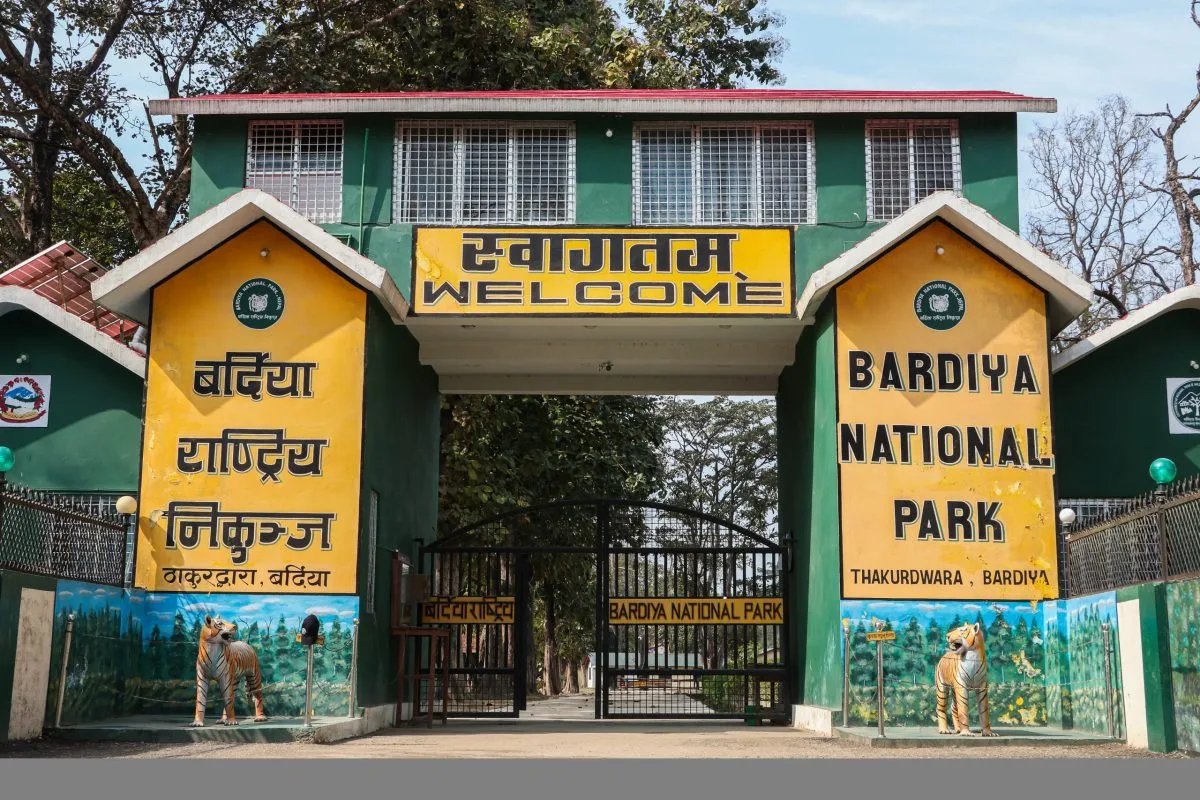
The mix of forest, grassland, and river habitat is what makes the wildlife here so varied and rich. Most visitors to Nepal skip the west entirely, but if you want to know what the top places to visit in western Nepal actually look like beyond the trekking routes, Bardiya is the clearest answer.
Quick fact: Nepal's 2022 tiger survey counted 125 individual tigers in the Bardiya-Banke corridor, making it one of the highest tiger densities anywhere in Asia.
Wildlife in Bardiya: What You Will See and How Likely Is It?
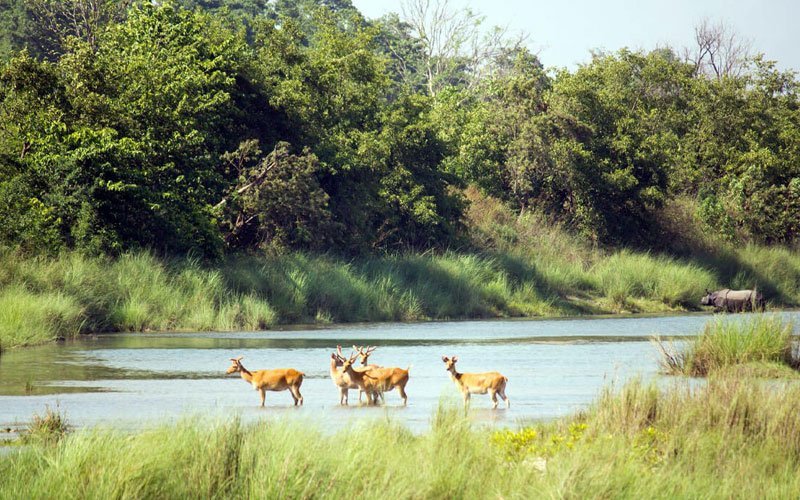
Bardiya is home to over 400 bird species and some of the rarest large mammals on earth. Knowing what to look for, where to look, and what time of day makes a real difference to what you actually see.
Bengal Tigers
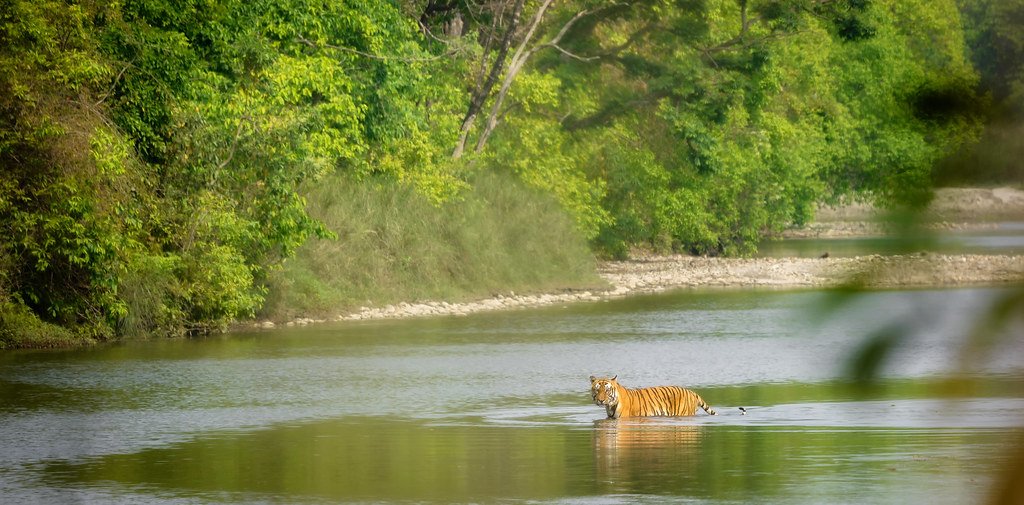
On a 3-day trip with early morning safaris, your chances of at least one tiger sighting or confirmed fresh tracks are high. Tigers are most active between dawn and 8 AM near the Karnali River corridor, and afternoon sightings near the Babai grasslands happen regularly too.
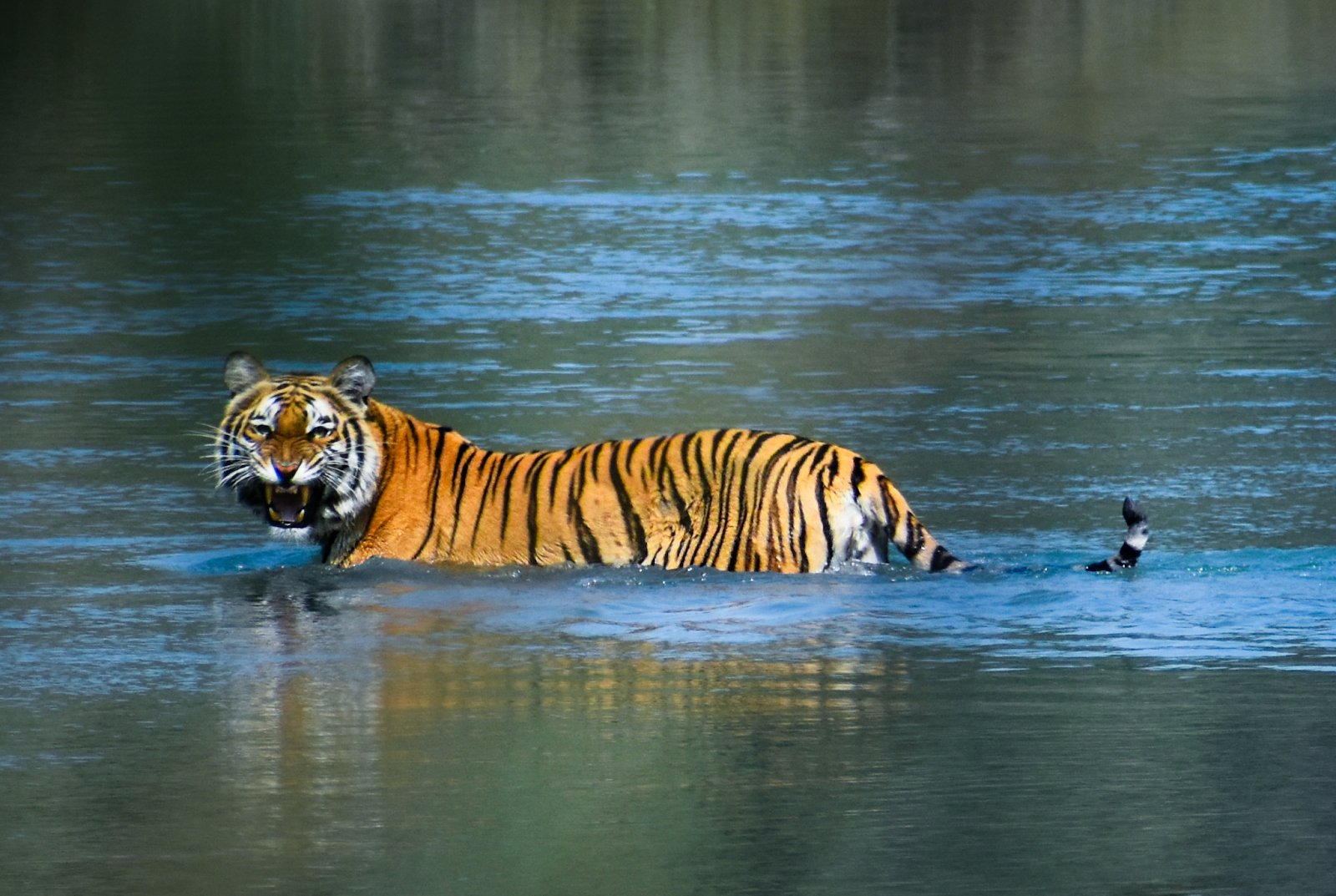
The Karnali river trail is the best zone for tiger activity, and most guides take you here first thing in the morning.
Low tourist pressure in Bardiya means tigers are not used to avoiding humans the way they sometimes are in busier parks.
Nepal's growing tiger population, supported by WWF Nepal conservation work, means numbers are rising and sightings are becoming more common each year.
One-Horned Rhinos
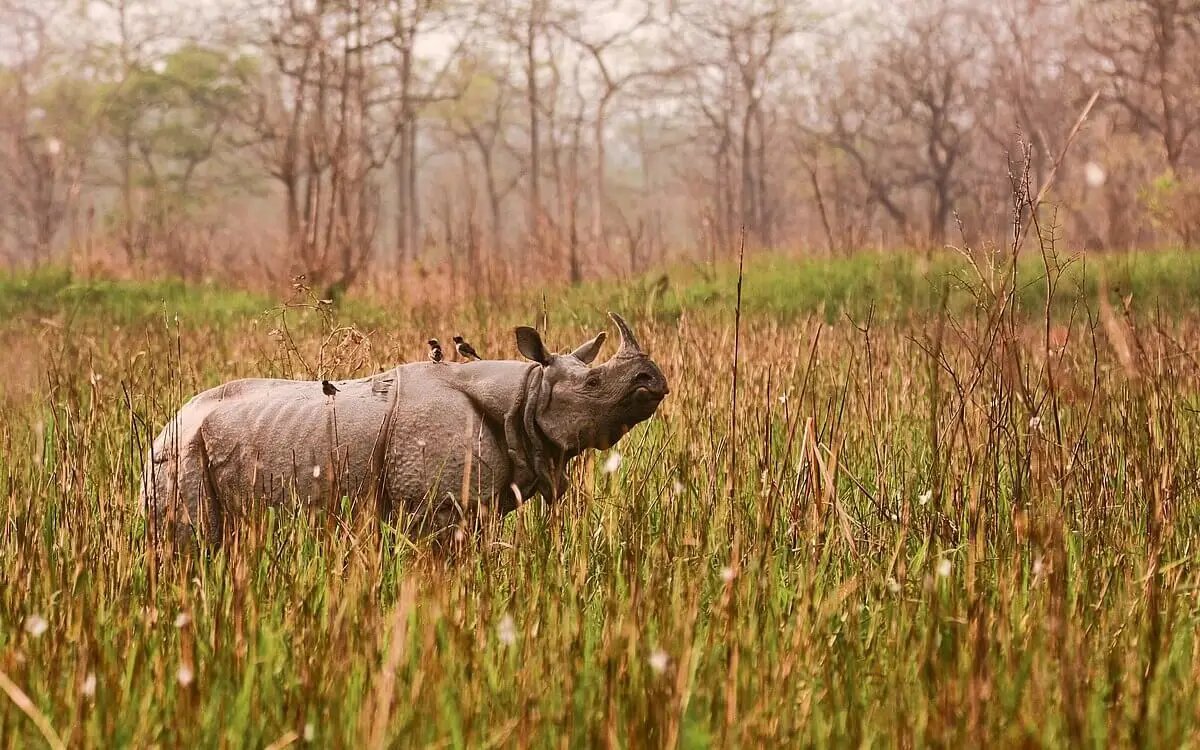
On a 3-day trip, you are very likely to see at least one rhino. They graze in the open grasslands near the Babai River and are easiest to spot in the early morning before the heat builds up.
Rhinos are large, slow-moving animals that are not easily scared by jeeps, which makes spotting them more reliable than tigers.
The southern grassland zone is the best area to find them, and most jeep safaris pass through this zone.
Bardiya's rhino population has grown steadily after careful relocations from Chitwan National Park.
Wild Asian Elephants
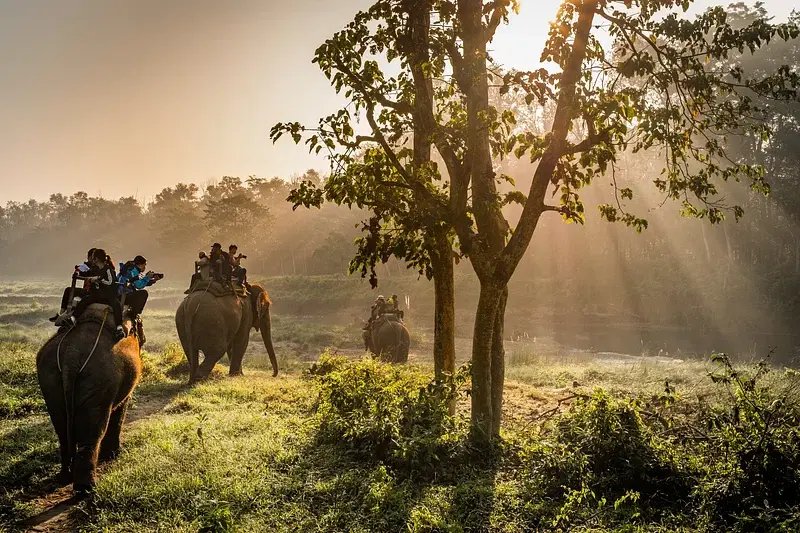
Spotting a wild elephant herd near the Karnali River is one of the most powerful things Bardiya can offer you. These are not domesticated animals, and they move in their own patterns through the forest.
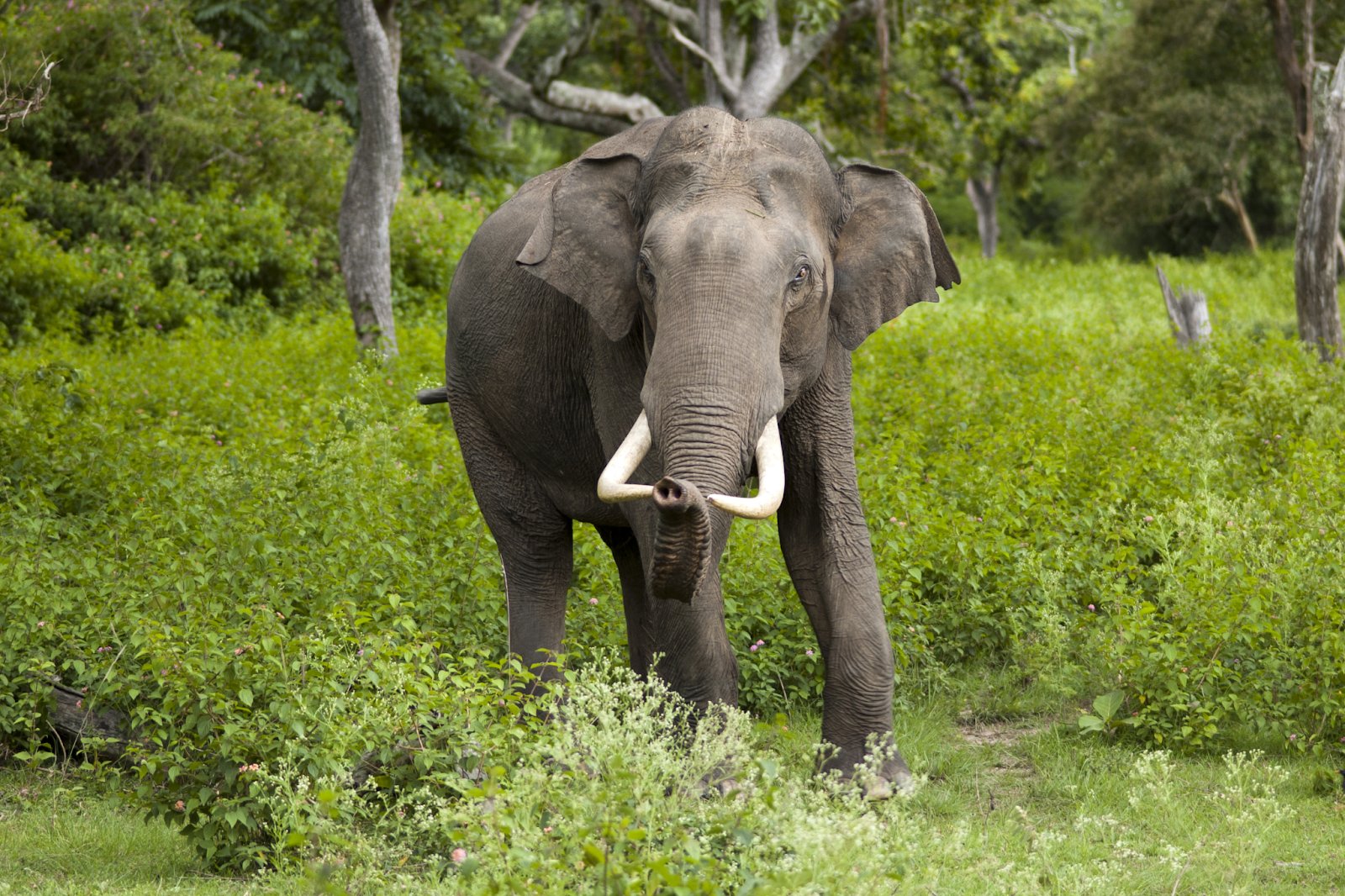
Your best chance is near the Karnali River in the early morning during October to February when herds are most active.
Asian elephants are listed as endangered by the IUCN, which makes any sighting a rare and special moment.
Your guide will always keep a safe distance because wild elephants behave very differently from domesticated ones.
Gangetic River Dolphins
The Karnali River holds one of Nepal's last populations of Gangetic river dolphins, and spotting one is rare but genuinely exciting. A morning canoe trip on the Karnali during the dry season gives you the best chance of seeing one.
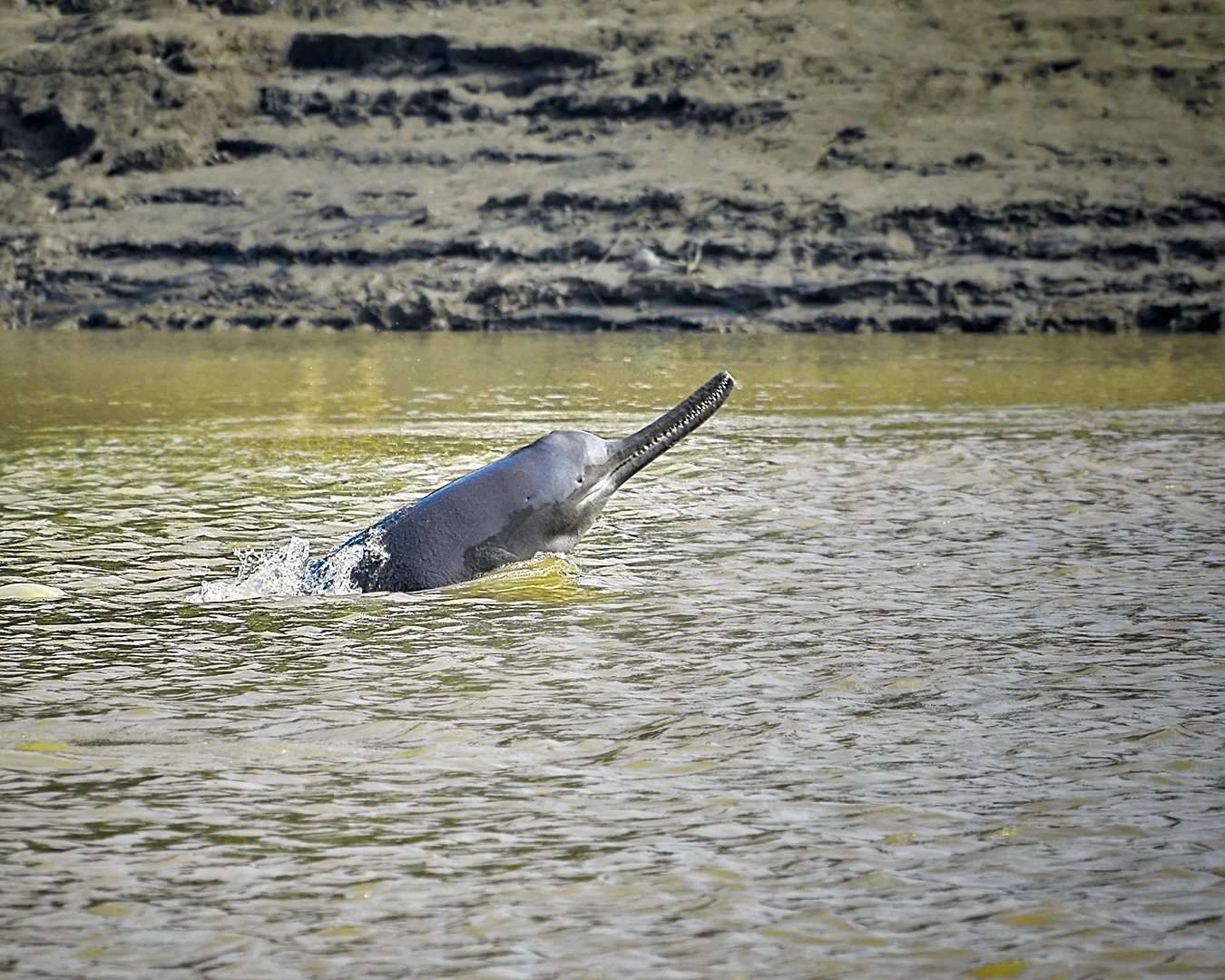
Gangetic dolphins are listed as endangered by the IUCN and are almost never seen in other parts of Nepal.
Gharial crocodiles sunbathing on the river sandbanks are far easier to spot and are almost guaranteed on any river trip.
Best Things to Do in Bardiya National Park
Bardiya has several ways to explore the park, and each one gives you a different view of the wildlife and the land. If you only have one day, do the jeep safari first.
Jeep Safari
A jeep safari covers the most ground and takes you into the deep river zones where tigers and rhinos are most active in the morning. It is the best starting point for any visit and suits every type of traveller.
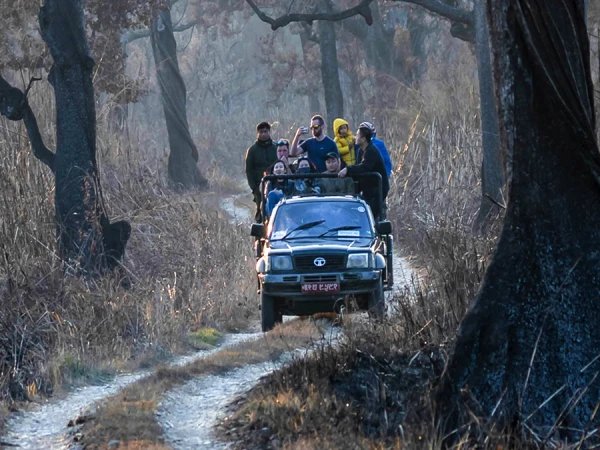
A half-day jeep safari costs USD 25 to 40 per person and runs from 6 AM to 10 AM or 3 PM to 6 PM.
A full-day jeep safari costs USD 60 to 80 per person and covers both the river corridor and the grassland zones.
The difficulty level is easy because no walking is required, and you stay in the jeep throughout.
Jungle Walking Safari
A jungle walking safari is the most intense way to experience Bardiya, and many visitors say it is the highlight of their trip. You move slowly and quietly through the sal forest at dawn, and you notice sounds and details that a jeep would completely miss.
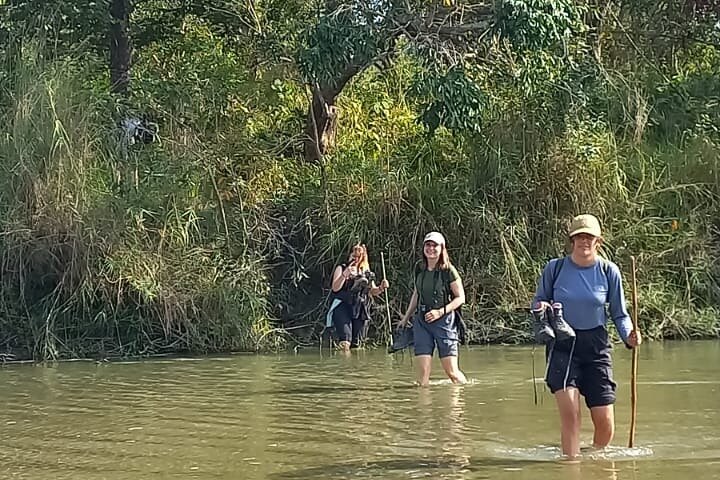
The cost is USD 15 to 25 per person with a licensed guide, and the walk lasts around 3 to 4 hours starting from dawn.
The difficulty level is moderate and is suitable for most adults, but it is not recommended for young children.
Jungle walks are not for everyone, but if you are comfortable walking in a wild environment, this is the one to do.
Canoe and River Safari
A canoe trip on the Karnali River at sunrise is the quietest and most peaceful way to see Bardiya from a completely different angle. You float slowly past crocodiles, waterbirds, and sometimes dolphins in the early morning light.
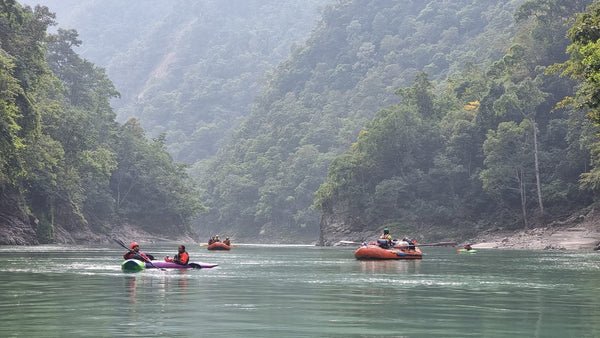
The cost is USD 10 to 20 per person and the trip lasts around 2 to 3 hours.
This activity is easy and suitable for all fitness levels and ages.
The light on the water at sunrise makes this one of the most beautiful experiences in the park.
Tharu Village Tour
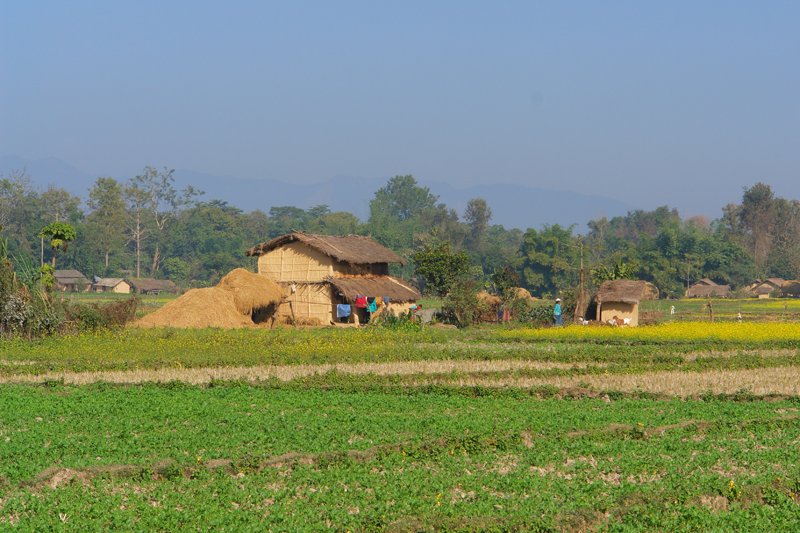
The Tharu people have lived beside this jungle for centuries and they understand it better than any guidebook. A village tour arranged through your homestay host near Bardiya gives you real access to their traditions, farming knowledge, and relationship with the forest.
The cost is often included with your homestay stay, or around USD 5 to 10 as a standalone activity.
The tour lasts 2 to 3 hours and is easy for all ages and fitness levels.
This is one of the most unique cultural experiences you can have in Nepal, and it is very hard to find anywhere else.
Bardiya Safari Cost Breakdown
Bardiya is one of the most affordable wildlife destinations in Asia, and you do not need a big budget to have a great experience here. Here is what everything costs.
A 3-day trip by bus with two jeep safaris, one jungle walk, one canoe trip, and 2 nights in a homestay comes to roughly USD 150 to 250 per person. The park entry fee and guide fees are where most visitors end up spending more than they need to. The cheapest and best way to manage costs is to book everything through your homestay host at honest local rates, rather than through online packages that add heavy fees for no extra value.
Sample 3-Day Bardiya Itinerary
This is a realistic itinerary and not a perfect one. Safaris do not always start on time, and animals do not follow schedules. Build in flexibility and the trip gets better, not worse.
Day 1: Arrive and Get Your Bearings
Arrive at Thakurdwara in the afternoon by bus from Kathmandu or by taxi from Nepalgunj airport.
Check into your Tharu homestay, meet your hosts, and ask them what has been spotted in the park this week.
Eat dinner early as the food is home-cooked Tharu style, with rice, lentils, and seasonal vegetables.
Sleep early because morning safaris start at 5:30 AM.
Day 2: Full-Day Jeep Safari and River Trip
Wake up at 5:30 AM for tea and a light breakfast before heading into the park.
Start a full-day jeep safari at 6:00 AM, going to the river corridor first for tigers and then south toward the grasslands for rhinos.
Return to the homestay at 1:00 PM for lunch and some rest in the afternoon heat.
Head out at 3:30 PM for a canoe trip on the Karnali River and watch the light change on the water as the sun goes down.
Day 3: Jungle Walk and Village Tour
Wake up at 5:30 AM and head out for a jungle walking safari. Move slowly and stay quiet.
Return for breakfast at 10:00 AM and take time to rest before the next activity.
Join a guided Tharu village tour with your homestay host at 11:00 AM and ask as many questions as you like.
Use the afternoon to pack up and begin your journey back.
How to Book a Safari in Bardiya
Booking through your homestay host is the best advice for most travellers. Tharu families near Bardiya have direct relationships with trusted local guides and they charge fair prices that reflect what the experience is actually worth.
Booking at the park gate when you arrive is also fine if you did not plan ahead, although guide quality varies more when you walk in without a recommendation.
Watch out for these warning signs when booking anywhere else:
Be careful of packages that do not clearly list what is included, specifically the guide fee, jeep cost, and park entry permit.
Avoid online operators based outside Nepal who cannot answer specific questions about the park zones or current wildlife activity.
Do not believe anyone who tells you that licensed guides at the park gate are not safe or legitimate, because they are.
Every safari booking must include a licensed and armed park guide, transport if the safari is jeep-based, and a park entry permit for each day you spend inside the park.
Best Time to Visit Bardiya National Park for Wildlife
The time of year you visit changes what you see and how comfortable your experience will be. Bardiya is worth visiting in the right season, and it is worth avoiding in the wrong one.
October to February is the best window for most visitors. The grass is short after the dry season, animals stay close to water sources, and temperatures are cool and comfortable throughout the day.
If your main goal is seeing tigers, November and December are the best months because river levels are low and tiger movement along the banks is most predictable.
If you want comfortable walking conditions and do not want to deal with heat, you should stay away from April onwards.
If birdwatching is important to you, February and March bring migratory species and very active nesting behaviour across the park.
May to September is the monsoon season. Roads flood, vegetation grows too thick to see through, and first-time visitors should avoid coming during these months.
How to Get to Bardiya National Park
Getting to Bardiya takes some planning, but the route is straightforward once you know your options. Our guide on travel times from Kathmandu to different regions of Nepal gives you exact timing and route details for each approach.
The best option if you are short on time is to fly from Kathmandu to Nepalgunj, which takes 1 hour and costs USD 80 to 120. From Nepalgunj, it is a 2-hour taxi ride to Thakurdwara.
The best budget option is the night bus from Kathmandu to the Bardiya junction, which costs USD 10 to 18 and takes 12 to 14 hours. You arrive in the morning and lose no daytime.
The best option if you are combining trips is to drive from Pokhara, which takes 8 to 9 hours and works well if you are finishing a trek in the Annapurna region before heading to Terai.
Is Bardiya National Park Worth Visiting?
Bardiya is not a convenient destination. The journey takes real effort, the infrastructure is basic, and there is no shortcut to get here. That is exactly what makes it better than most wildlife parks in the region.
Go to Bardiya if:
Seeing wildlife in genuinely wild, uncrowded conditions is what matters most to you.
You want to spend time with a Tharu family and understand the culture and history behind the park.
You have at least 3 full days and you are comfortable with some uncertainty and flexibility.
Choose Chitwan instead if:
You are short on time and need a park within easy reach of Kathmandu.
You want more comfort and better tourist infrastructure around you.
This is your very first wildlife experience and you prefer a more structured setup.
Bardiya is not for everyone. If you are choosing between comfort and authenticity, Bardiya forces the choice. That is exactly why it is worth making.
Staying in a Tharu Homestay Near Bardiya
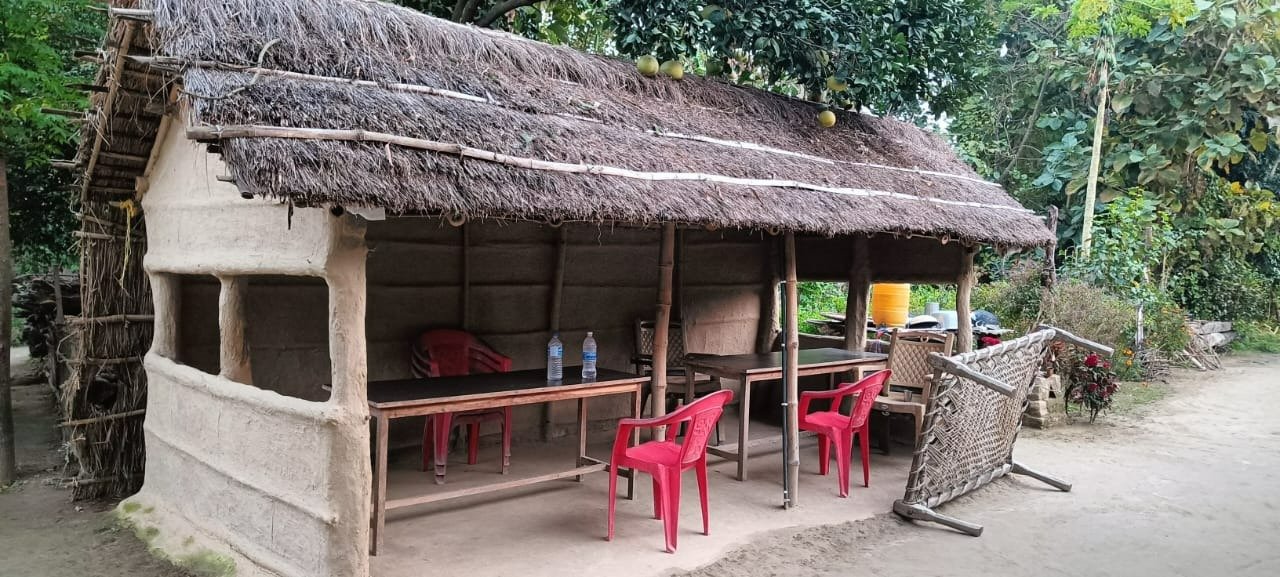
A homestay near Bardiya is not a boutique hotel with a jungle view, and it is important to know what to expect before you arrive. Rooms are simple and clean, bathrooms are usually shared or basic private, and meals follow a fixed schedule with breakfast around 7 AM and dinner around 7 PM.
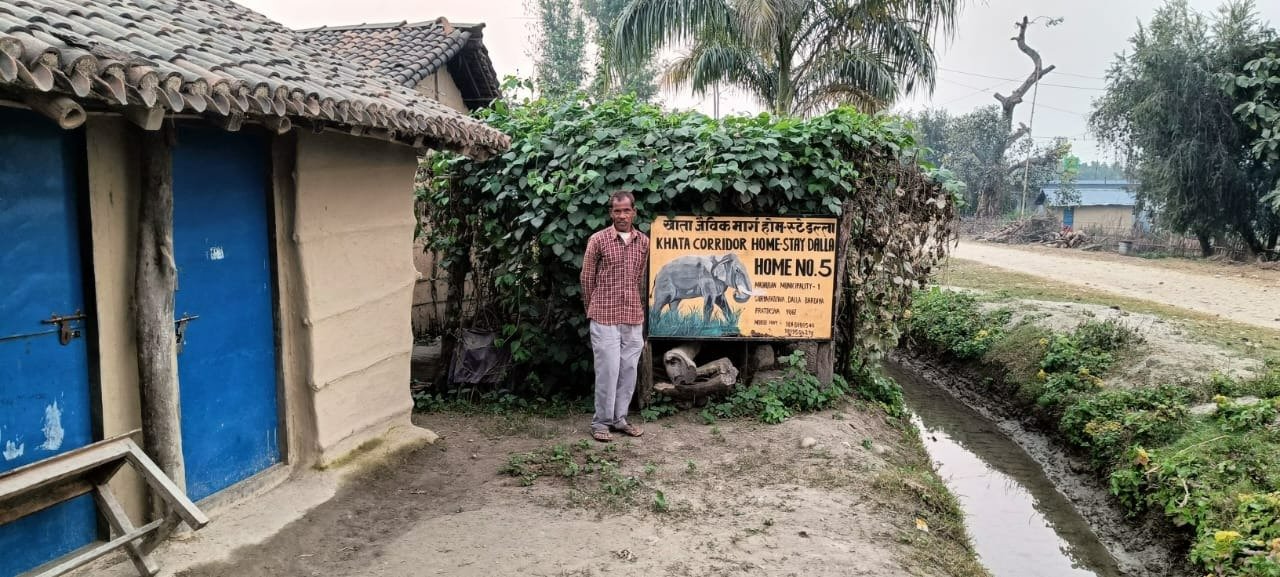
What you get in return is something no resort can offer. Your host arranges your guide, tells you what rangers spotted yesterday, and walks you to the edge of the fields at dusk to point out where elephants crossed the night before. Our guide to Nepali homestay food by region shows you what to expect at the table before you arrive.
Staying in a homestay means your money goes directly to a local family rather than a distant company.
It is worth knowing that homestays in Nepal directly support women's livelihoods in a way that hotel stays simply do not.
If this is your first time staying in a homestay anywhere, the Nepal homestay visitor's guide covers everything you need to know before you arrive.
What to Pack for Bardiya
Packing for Bardiya is straightforward, but most first-time visitors get two things wrong. They bring bright clothing and they underestimate how serious the mosquitoes are in this part of Nepal.
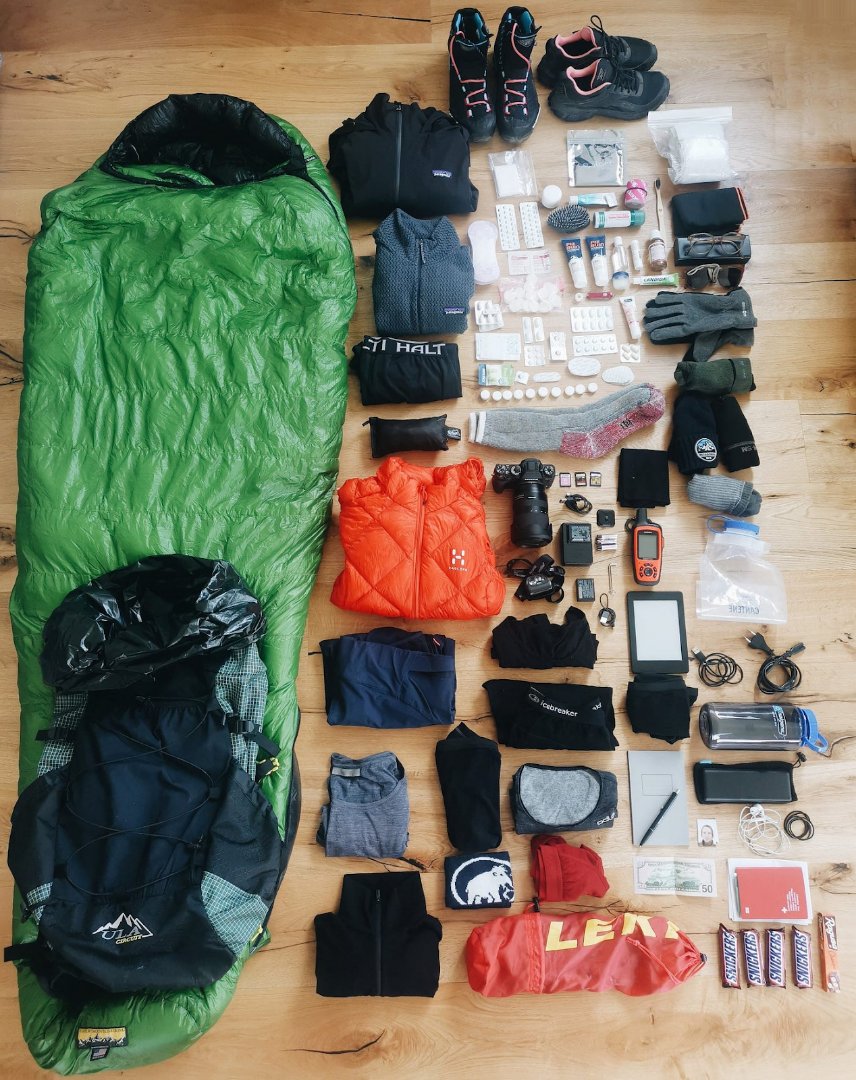
Here is what to bring and why it matters:
Wear earth tones only for safaris, such as green, khaki, and brown, because bright colours disturb animal behaviour and make you more visible in the forest.
Pack long-sleeved lightweight shirts and trousers for evenings and walks because mosquitoes near the river are active from dusk onwards.
Bring a pair of binoculars because they make a bigger difference in a jungle park than almost anywhere else you will visit.
Take malaria prevention medication after speaking to your doctor before you travel, not after you arrive.
Pack broken-in walking shoes because new boots will ruin a morning jungle walk very quickly.
Our full Nepal homestay packing list covers everything else you need for a comfortable trip.
Final Thoughts
Most people who visit Bardiya were not sure it was worth the journey. Most of those same people start planning a return trip before they leave. That says enough.
If you want to see what staying local actually looks like, browse our best homestays in Nepal across community circuits. And if Bardiya is the one, Tharu village homestays near the park is where to start.
FAQ: Bardiya National Park
How many days do you need in Bardiya National Park?
Three full days is the minimum to experience the park properly. That gives you two jeep safaris, one jungle walk, and one river trip. Four or five days gives you more chances at tiger sightings and time for a Tharu village tour without any rushing.
How much does a Bardiya safari cost?
A half-day jeep safari costs USD 25 to 40 per person. A full-day safari costs USD 60 to 80. Jungle walks cost USD 15 to 25 per person. Park entry is USD 22 per day for foreign visitors. A full 3-day trip by bus with homestay accommodation and activities comes to roughly USD 150 to 250 per person.
Can you visit Bardiya National Park without a guide?
No. Entry into the core park area requires a licensed guide at all times. This is both a legal requirement and a real safety rule. Solo entry into the park is not allowed under any circumstances.
Is Bardiya better than Chitwan for tiger sightings?
For most travellers, yes. Bardiya has far lower tourist pressure, which means tigers are less disturbed and behave more naturally near the river zones. Chitwan also has tigers, but there are more visitors competing for sightings in the same areas.
Is Bardiya safe for solo travellers?
Yes, Bardiya is safe for solo travellers who follow standard park rules. You should always enter the jungle with a licensed guide and carry good insect repellent. The main health risks are mosquito-related illnesses, which are preventable with the right preparation before you travel.
Is Bardiya an expensive destination?
No. Bardiya is one of the most affordable wildlife destinations in Asia. A full day that includes a jeep safari, park entry, and a homestay night with meals costs well under USD 80 per person, which is significantly cheaper than similar parks in India or Sri Lanka.
Company Admin
Travel writer sharing authentic stories and experiences from Nepal's beautiful homestays.