Planning your first trip to Nepal? Forget trying to see everything. This guide breaks down the 10 essential destinations that actually matter, from Kathmandu's ancient temples and Pokhara's mountain lakes to Chitwan's jungle safaris and the legendary Everest Base Camp trek.
Most travel guides dump 50 destinations on you and expect you to figure it out. That's not helpful when you're planning your first Nepal trip.
The reality? Nepal packs ancient temples with daily cremation rituals, lakes that mirror 8,000-meter peaks, jungles with one-horned rhinos, and desert canyons that look nothing like what you'd expect from the Himalayas. You can't see everything in one trip, and you shouldn't try.
This guide cuts through the noise. Just 9 destinations that show you medieval cities, mountain wilderness, sacred sites, and wildlife in a way that makes sense. No fluff, no endless lists. These are the places that define Nepal for first-time visitors.
When to Visit Nepal
How Many Days You Need
7 days: Kathmandu Valley (3 days) + Pokhara (3 days) + buffer day
10 days: Add Chitwan National Park (2 days)
14 days: Add Bandipur (2 days) and either Lumbini or Nagarkot (1-2 days)
3 weeks+: Include a trek like Everest Base Camp (12-14 days) or Lower Mustang (6-7 days)
The rule: Pick a maximum of 3 destinations per week. Stay longer, go deeper.
The 12 Best Places to Visit
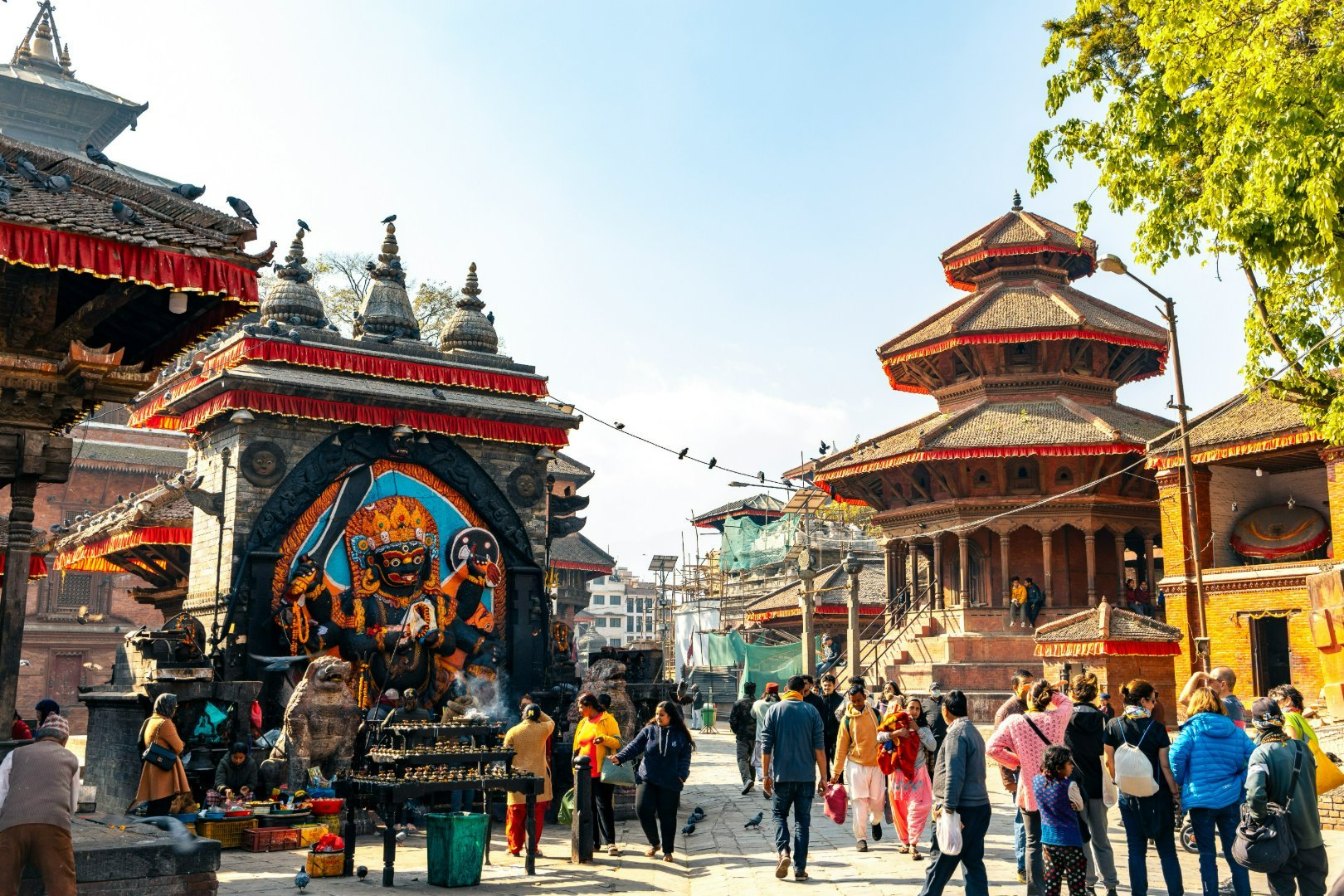
1. Kathmandu Valley
Why visit: Seven UNESCO World Heritage Sites packed into 15 square miles. This isn't a museum. Locals still worship at 900-year-old temples, and you're not observing culture, you're inside it.

What to see:
Pashupatinath Temple: Hindu cremation site on the Bagmati River. Watch sacred rituals with sadhus (holy men) meditating nearby.
Swayambhunath (Monkey Temple): Climb 365 steps at dawn for valley views and Buddhist prayers.
Boudhanath Stupa: Massive white dome where Tibetan pilgrims circle with prayer wheels.
Patan: Art capital with intricately carved temples and metalworkers hammering singing bowls in backstreets.
Bhaktapur: Medieval time capsule with red-brick courtyards and potters shaping clay like their ancestors did 500 years ago.
Practical info:
Stay 3-4 days
Budget: $30-60 per day
Entry fees: $7.50-13.50 per site
Stay in Thamel for budget ($8-12/night), Patan for mid-range ($23-38/night)
2. Pokhara
Why visit: The only place where lake calm meets mountain drama. Phewa Lake reflects Machhapuchhre (Fishtail Peak) and Annapurna, the 10th highest mountain on Earth.

What to do:
Sarangkot sunrise: Wake at 4:30 AM, taxi to the hilltop, watch 30+ Annapurna peaks turn from black to gold. Bring warm layers.
Phewa Lake: Rent a rowboat ($4-8/hour) and paddle to Tal Barahi Temple. Best at early morning or sunset.
World Peace Pagoda: White stupa with 360-degree views. Watch paragliders launch from the ridge.
Short treks: Australian Camp (1 night, no permits), Ghorepani Poon Hill (3-4 days), or Mardi Himal (5-7 days)
Practical info:
Stay 3-5 days minimum (Pokhara rewards slowness)
Budget: $25-50 per day
Fly from Kathmandu (25 min, $110-140) or take tourist bus (7-8 hours, $8-11)
Rent bikes ($4/day) or scooters ($8-11/day) to explore
3. Chitwan National Park
Why visit: Nepal's only accessible lowland jungle. Spot one-horned rhinos, gharial crocodiles, sloth bears, and maybe Bengal tigers in a steaming jungle that feels prehistoric.

What to do:
Jeep safari: Drive deep into the park at dawn (3-4 hours, $25-40). Rhinos are most active 6-9 AM.
Canoe trip: Paddle past sunbathing gharials and marsh mugger crocodiles on the Rapti River (1-2 hours, $10-15).
Tharu cultural program: Watch traditional stick dance performances ($5-10).
Note: Skip elephant rides due to animal welfare concerns. Choose jeep or walking safaris instead.
Practical info:
Stay 2-3 nights
Budget: $40-70 per day
Bus from Pokhara (5-6 hours, $5.25-7.50)
Many lodges offer 2-night packages ($80-150) including meals and activities
Best time: October to March
4. Lumbini
Why visit: Buddha's birthplace (623 BCE) and one of Buddhism's four holiest sites. Pilgrims from around the world have built monasteries here, each in their country's architectural style.

What to see:
Maya Devi Temple: The exact spot where Buddha was born, with Ashoka's pillar from 249 BCE still standing.
Monastery Zone: Bike through Thai golden spires, Japanese zen gardens, Tibetan murals, and Chinese temples spread across 3 square miles.
Pro tip: Arrive at sunrise (6-7 AM) when the sacred garden is empty and monks begin morning prayers.
Practical info:
Stay 1-2 days
Budget: $20-40 per day
Fly to Bhairahawa Airport (30 min from Kathmandu, $110-140), then taxi (20km)
Entry is free
Dress modestly and remove shoes in monasteries
5. Bandipur
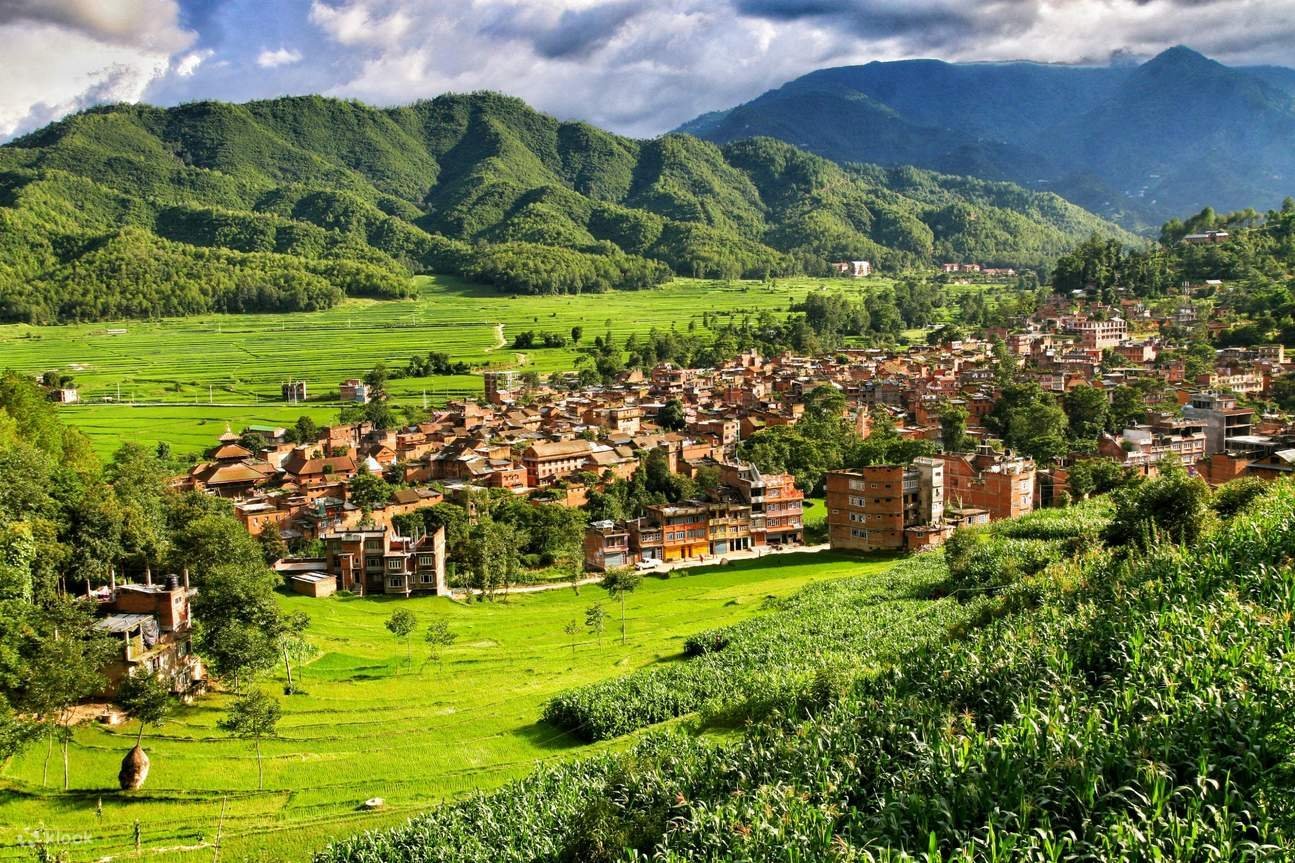
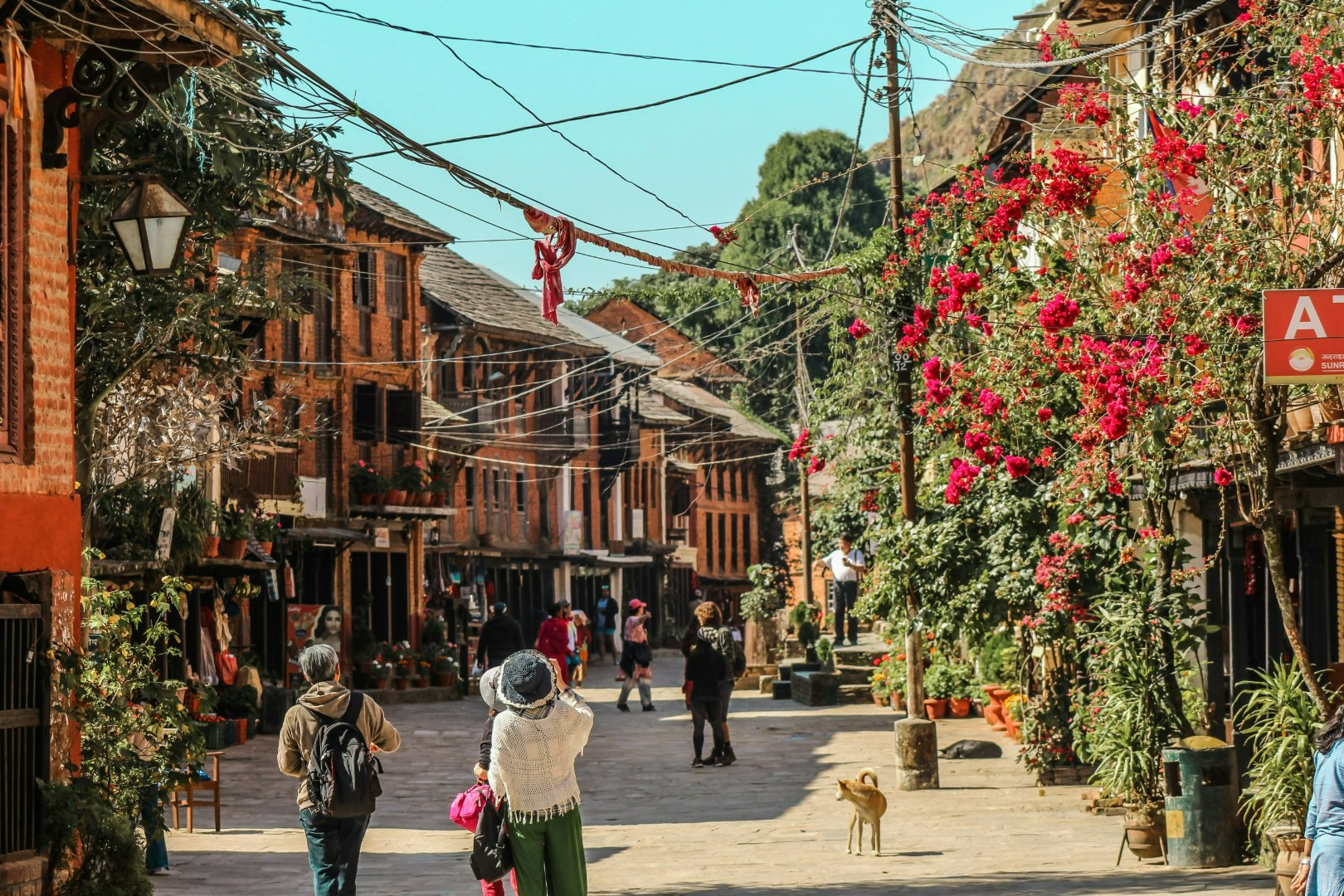
Why visit: The most authentically preserved Newari hill town. No tourist infrastructure, just an 18th-century village suspended on a ridge with Himalayan views.
What makes it special: Cars are banned in the old town. No concrete buildings allowed. Walk the 400-meter cobblestone main street in 10 minutes, surrounded by carved wooden windows and terracotta roofs. At sunset, watch the valley fill with shadow while the Himalayas glow.

What to do:
Walk the main bazaar
Hike to Thani Mai Temple (1 hour) for mountain views
Visit Siddha Cave (2 hours round trip)
Just wander aimlessly through courtyards
Practical info:
Stay 2 nights minimum (day 1 you adjust, day 2 you connect)
Budget: $20-35 per day
Located between Kathmandu and Pokhara. Get off tourist bus at Dumre, take local jeep uphill (20 min, $1.50-2.25)
Good year-round
6. Nagarkot
Why visit: The closest Himalayan sunrise to Kathmandu. Drive 1.5 hours from the city to see 8 of the world's 14 highest peaks, including Everest.
What to expect: Wake at 5 AM, bundle into every layer you own, watch peaks shift from blue-black to orange to gold for 30 minutes. Then it's over. That's Nagarkot.
Practical info:
Stay 1 night (arrive afternoon, sunrise next morning, leave by 10 AM)
Budget: $25-50 per day
Book mountain-facing rooms with balconies
Best time: October-November, December-February, March
Can hike to Changu Narayan Temple (3-4 hours downhill) afterward
7. Lower Mustang
Why visit: Desert canyons in Nepal. Apple orchards at 2,800m. Muktinath Temple sacred to both Hindus and Buddhists. This is where green foothills end and the Tibetan Plateau begins.
Key places:
Kagbeni: Medieval border village with narrow alleys and Tibetan atmosphere
Muktinath Temple (3,800m): Natural eternal flames and 108 water spouts where pilgrims bathe
Marpha: Whitewashed village famous for apples and apple brandy
Kali Gandaki Gorge: Deepest gorge on Earth, between Dhaulagiri and Annapurna
Practical info:
4-6 days trek
Budget: $35-60 per day
Fly Pokhara to Jomsom (20 min, $110-140), book 3-4 weeks ahead
Permits: ACAP ($23) + TIMS ($15)
Homestays: bed $2.25-3.75, meals $4.50-6.75
Best time: March-May, September-November
8. Upper Mustang
Why visit: The forbidden kingdom, closed until 1992. Walled medieval city of Lo Manthang, 15th-century Tibetan Buddhism, 10,000+ caves carved into cliffs. This is one of the world's last intact Tibetan cultures.

What makes it special: The landscape is Mars meets Himalayas. Red-rock canyons, zero vegetation, villages clinging to cliffsides. You're above 3,800m the entire trek. At night, the Milky Way arcs overhead with zero light pollution.
Practical info:
7-10 days trek
Budget: $60-100 per day
Special permit: $500 for 10 days (must book through agency)
Total trip cost: $2,000-3,000 including flights and trekking package
Best time: May-October only
Altitude is challenging, acclimatization matters
9. Mount Everest Region
Why visit: Mount Everest (8,849m), the highest point on Earth. The trek to Everest Base Camp is the world's most famous trek. From Kala Patthar (5,545m), watch dawn light hit Everest's summit pyramid.
What to expect: You walk through Sherpa villages where Everest is a sacred mountain. Pass monasteries where monks bless climbers. At 5,000m, air is 50% thinner than sea level. Every step requires three breaths.
Key stops:
Lukla (2,840m): Starting point with the world's most famous/terrifying airport
Namche Bazaar (3,440m): Sherpa capital, stay 2 nights for acclimatization
Tengboche Monastery (3,867m): Morning prayers with Ama Dablam views
Everest Base Camp (5,364m): Rocky moraine, check-the-box destination
Kala Patthar (5,545m): The real prize. Hike at 4 AM for Everest sunrise
Practical info:
12-14 days
Budget: $40-80 per day
Total cost: $800-1,500 (flights, permits, food, guide/porter)
Permits: $53 total
Flights Kathmandu-Lukla: $180-200 round-trip (book early, delays common)
Build 2 buffer days for flight delays
Best time: October-November (peak), March-May (warmer)
Altitude sickness is the main risk. Climb slowly, take rest days, consider Diamox
Sample 7-Day Itinerary
Day 1: Arrive Kathmandu, explore Thamel
Day 2: Pashupatinath and Boudhanath
Day 3: Patan half-day, Swayambhunath sunset
Day 4: Bhaktapur day trip
Day 5: Fly to Pokhara, lakeside walk
Day 6: Sarangkot sunrise, boat on Phewa Lake
Day 7: Fly to Kathmandu, departure
Critical Mistakes to Avoid
Trying to see everything: Pick 3-4 destinations maximum. Go deep, not wide.
Skipping travel insurance for treks: Helicopter evacuation costs $5,000-15,000. Insurance with altitude coverage costs $100-200.
Not carrying cash: ATMs only exist in major cities. Bring enough for your entire trek plus 20% buffer.
Ignoring acclimatization: Altitude sickness isn't about fitness. Follow rest days, climb slowly, descend if symptoms worsen.
Booking same-day connections after Lukla flights: Lukla flights delay 30-40% of the time. Build 2 buffer days.
What Nepal Actually Costs
Budget traveler: $30-50 per day (homestays, local food, buses)
Mid-range: $75-130 per day (3-star hotels, mix of restaurants, some flights)
Comfort: $160-280 per day (4-5 star hotels, frequent flights, guides)
One-time costs:
Nepal visa: $30 (15 days), $50 (30 days)
Domestic flights: $110-200 each
Trekking permits: $15-23 (except Upper Mustang: $500)
Sample 10-day trip (mid-range): $1,000-1,200 total
14-day Everest Base Camp trek: $1,800-2,200 total
Final Advice
Skip the checklist approach. The best Nepal experiences happen when you're not rushing. Sit at a Pokhara cafe for hours. Add an extra day in Lumbini just to think. Stay in homestays where families cook for you and actually talk to you.
Choose fewer destinations, stay longer. Homestays in Bandipur or along trek routes give you home-cooked meals and conversations you won't get in hotels. Always build buffer days because flights delay and plans change. Remove shoes in temples, dress modestly, and ask before taking photos.
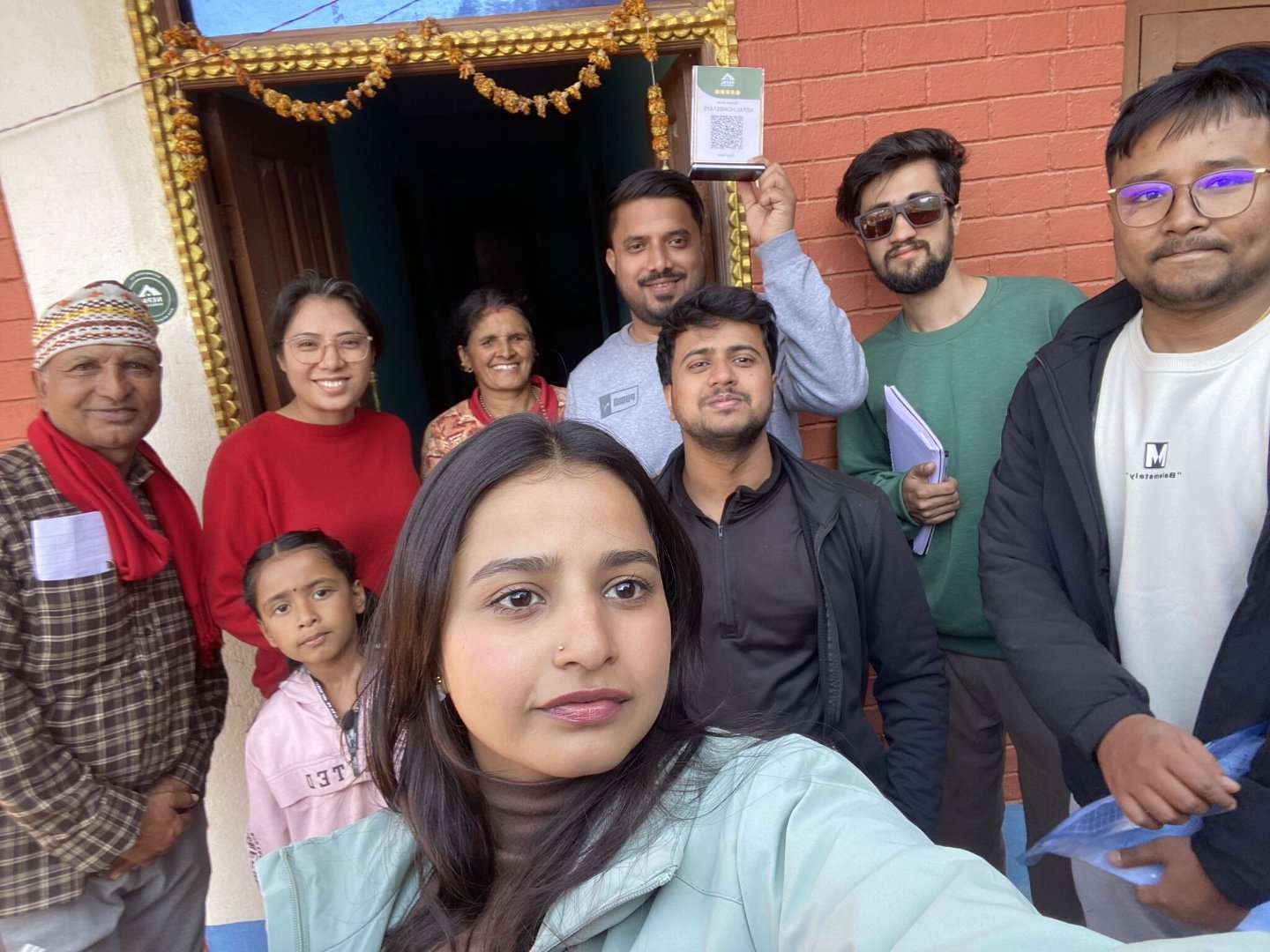
Ready to experience authentic Nepal? Browse verified homestays across Kathmandu, Pokhara, Bandipur, and trekking routes on Nepal Homestays. Book directly with local families, get insider tips, and support communities that make Nepal special. Your hosts are waiting to share their home, stories, and the real Nepal with you.
Frequently Asked Questions
What is the best time to visit Nepal?
The best time to visit Nepal is October to November when skies are crystal clear after monsoon and mountain views are spectacular. March to April is the second-best option with warmer weather and fewer crowds, though slightly hazier skies. December to February offers the sharpest mountain views and 30-40% cheaper hotels, but mornings are freezing. Avoid the monsoon season (July-September) unless visiting Upper Mustang, as daily rains cause landslides and poor visibility.
How many days do you need in Nepal?
You need a minimum of 7 days to cover the essential highlights: 3 days in Kathmandu Valley and 3-4 days in Pokhara. For a more complete experience, plan 10-14 days to add Chitwan National Park (2 days), Bandipur (2 days), or Lumbini (1-2 days). If you want to trek to Everest Base Camp or explore Lower Mustang, allow 3 weeks or more. The key rule is to visit maximum 3 destinations per week to avoid rushed travel.
Is Nepal expensive for tourists?
Nepal is affordable for most travelers. Budget travelers can manage on $30-50 per day staying in guesthouses and eating local food. Mid-range travelers should budget $75-130 per day for comfortable hotels and mixed dining. Major costs include domestic flights ($110-200 each), trekking permits ($15-500 depending on region), and guided treks. A 10-day cultural trip costs around $1,000-1,200, while a 14-day Everest Base Camp trek costs $1,800-2,200 including everything.
Do I need a guide to trek in Nepal?
You don't legally need a guide for most treks in Nepal, including popular routes like Everest Base Camp and the Annapurna Circuit. However, hiring a guide ($25-30 per day) is recommended for first-time trekkers as they provide safety, cultural context, and emergency support. Upper Mustang, Manaslu, and some restricted areas require both a guide and special permits. Porters ($20-25 per day) are optional but highly recommended to carry your pack, especially at high altitudes.
What are the top 3 must-visit places in Nepal?
The top 3 must-visit places in Nepal are: (1) Kathmandu Valley for its seven UNESCO World Heritage Sites including Pashupatinath Temple, Boudhanath Stupa, and medieval cities of Patan and Bhaktapur, (2) Pokhara for stunning lakeside views of the Annapurna range and access to short treks, and (3) Chitwan National Park for wildlife safaris to see one-horned rhinos and Bengal tigers. These three destinations cover Nepal's cultural heritage, mountain beauty, and jungle biodiversity in 7-10 days.
Company Admin
Travel writer sharing authentic stories and experiences from Nepal's beautiful homestays.