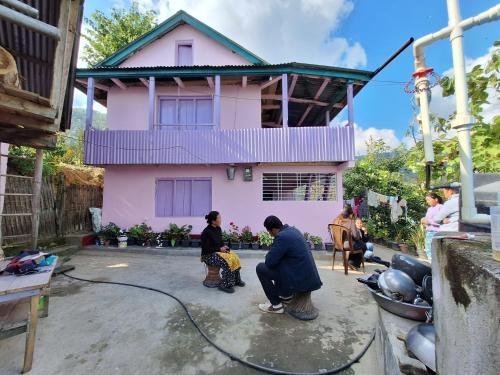
Dhankuta Community Homestay, Sipting: orange groves, Aathpahariya Rai heritage, cool quiet hills, warm hosts, Eastern Nepal at its calmest.
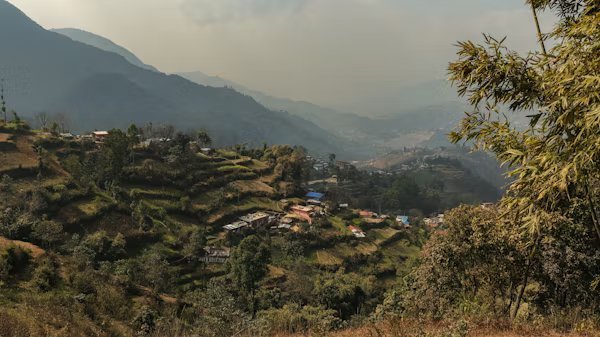
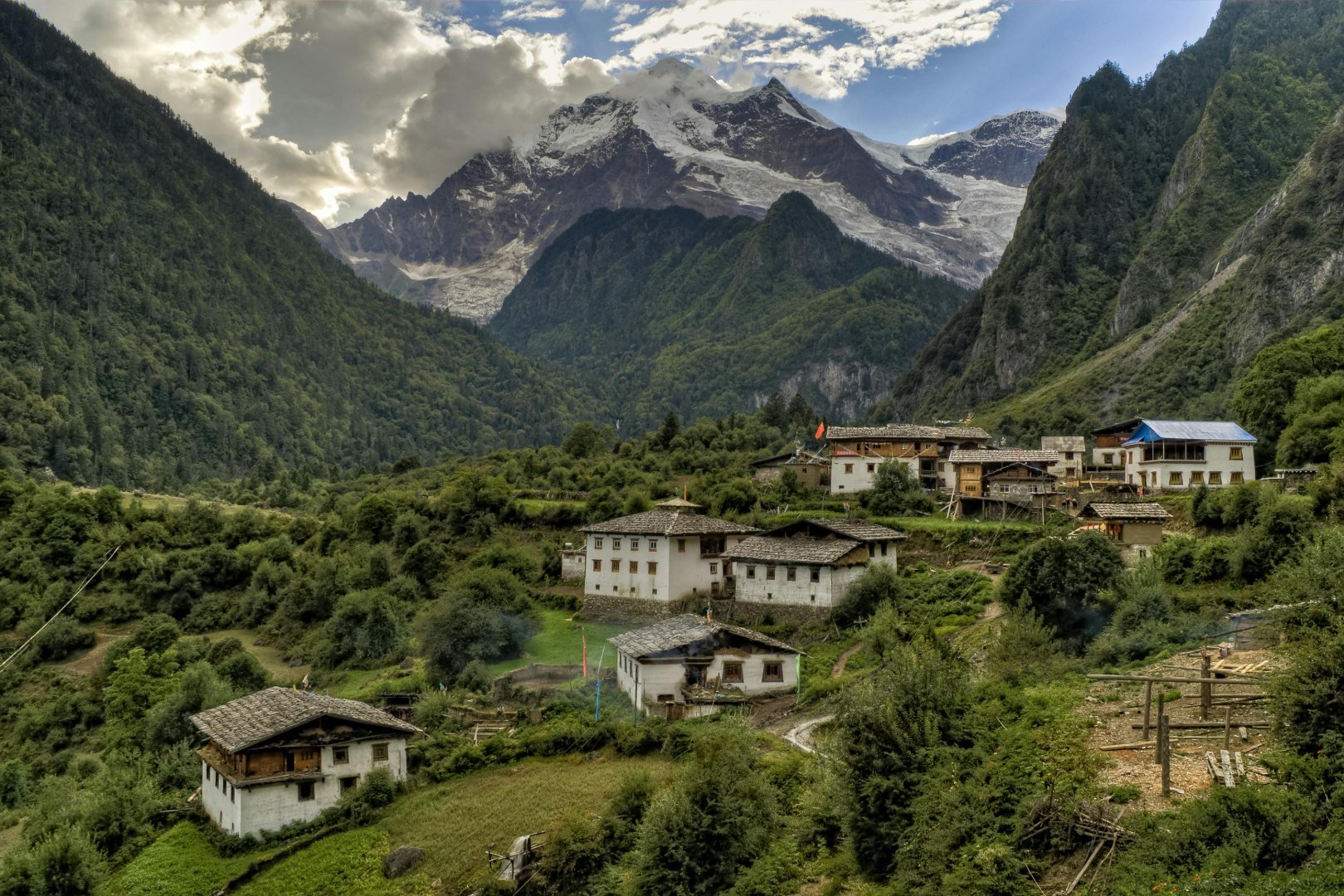
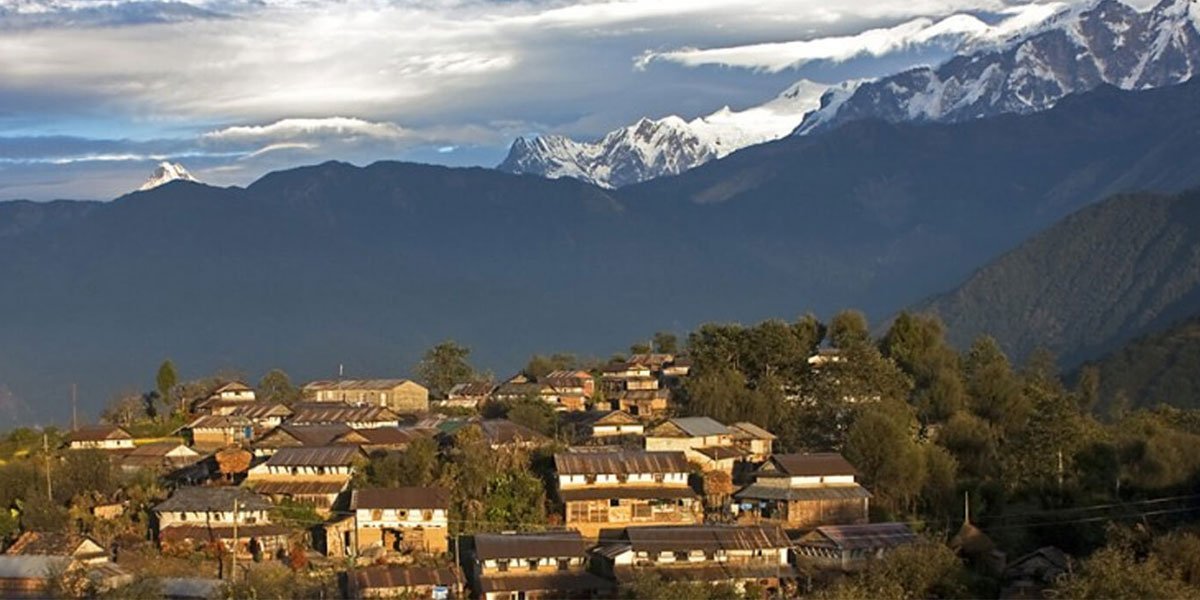
Dhankuta isn’t loud about its beauty ,it’s the kind of hill town that grows on you slowly. The bazaar lanes are calm, the hills roll out in layers, and the air feels clean in a way that makes you instantly breathe deeper. When travelers search for Dhankuta Community Homestay Sipting, they’re usually looking for exactly this kind of soft, human, eastern-hills experience: village warmth, panoramic views, and cultural depth without crowds.
From Nepal Homestays’ perspective, Dhankuta is one of Nepal’s most underrated community-stay circuits ,especially because it combines three things rare to find together: heritage-town charm, Indigenous Aathpahariya Rai culture, and easy hillside hikes. The Sipting homestay network sits right inside this cultural landscape, so the stay doesn’t feel separate from the destination ,it is the destination.
Where Is Dhankuta Community Homestay, Sipting Located?
Dhankuta Community Homestay – Sipting is located in Sipting village, Dhankuta District, in the eastern hills of Nepal. The homestay area is close to Dhankuta Bazaar (the Orange Town center), but far enough to feel fully rural and quiet. Most listings describe it as a community-run, family-hosted homestay, rooted in Aathpahariya Rai heritage and responsible tourism.
Why Dhankuta Is Called Nepal’s “Orange Town”
Dhankuta Bazaar is widely known as Nepal’s Orange Town because the surrounding hills produce some of the country’s most famous citrus harvests. The orange culture here isn’t a slogan ,it’s a livelihood, a landscape, and a seasonal celebration. Walking through town during orange season (roughly late autumn to winter) means orchards on the slopes, orange stalls in the bazaar, and a town rhythm shaped by farming. Responsible-tourism itineraries in Dhankuta even feature Orange Town heritage walks to explore this citrus identity along with the town’s traditional architecture.
What Makes Dhankuta Community Homestay in Sipting Special?
Many Nepal homestays offer village comfort, but Sipting stands out for two deeper reasons:
It’s a living Aathpahariya Rai cultural space.
Sipting and nearby Khambela villages are home to the Indigenous Aathpahariya Rai community, known for their distinct language, rituals, music, and cuisine. Community-stay programs here are built around sharing real everyday heritage, not tourist performances.Dhankuta is becoming Nepal’s responsible tourism beacon.
Dhankuta has been actively promoted as part of eastern Nepal’s responsible tourism circuit, including heritage walks, Indigenous feasts, craft workshops, and low-impact hiking routes. The Kipche/Kopche and Mangsire heritage celebrations also highlight this cultural revival and tourism model.
So if you want an eastern Nepal homestay that feels culturally rich and peacefully rural, Sipting belongs high on your list.
Rooms & Accommodation at Dhankuta Community Homestay, Sipting
Dhankuta Community Homestay follows a village-home layout rather than a hotel format. Expect simple, clean rooms, family-run hosting, and a shared community feel. Listings show double or twin rooms as the common format, mostly designed for two guests.
Room types commonly available
Double or Twin Rooms are available. And perfect for a 1-night, 2-day getaway. Traditional village rooms in community houses
In-room comforts
Guest listings mention basic but traveler-friendly essentials such as bedding, towels, and functional bathrooms. Some rooms include views toward hills or village gardens.
Dhankuta Community Homestay Price (2025)
Based on current room pricing shown on booking listings, double/twin rooms generally range around NPR 2,200–2,800 per night depending on date and cancellation choice. Example listed prices include:
Price changes depend on season, meal plan, and refund policy. High-demand festival/harvest months can push rates slightly upward.
Amenities & Facilities You Can Expect
Dhankuta Community Homestay is positioned as a comfortable village stay with practical modern basics. Public listings highlight:
Free Wi-Fi in rooms
Free self-parking
Terrace / picnic areas
Laundry facilities
Housekeeping
Tour / ticket assistance
24-hour front desk support
English breakfast available (usually paid add-on)
This mix makes Sipting comfortable for both short cultural visits and longer slow stays.
Meals of Dhankuta: What We Eat in Sipting Homestays
Food in Dhankuta homestays is part of the cultural experience ,not an extra service. Responsible-tourism circuits specifically highlight farm-to-table cuisine and Indigenous meals served the way local families eat daily.
What guests usually get
Most hosts serve warm, seasonal eastern-hill dal-bhat, often paired with:
Local tarkari (greens, beans, pumpkin, seasonal roots)
Gundruk & achar
Millet or maize-based dishes in some homes
Homegrown citrus in season (Dhankuta oranges!)
Community feast menus during cultural nights
Aathpahariya Rai Heritage Feast
One of the most unique food experiences here is the Aath Pahariya Rai heritage feast ,a cultural dinner that combines local flavors with music and rhythm. When available, it’s typically arranged through the community homestay network.
Read more about what people experience in Boudha, Kathmandu
Things to Experience While Staying in Dhankuta Community Homestay
Sipting isn’t a place where you rush through “activities.” It’s where experiences unfold naturally with the village rhythm ,but here are the core highlights travelers seek:
1. Dhankuta Orange Town Heritage Walk
A slow walk through Dhankuta Bazaar reveals traditional hill-town architecture, orange farming culture, and local markets, all shaped by decades of citrus trade. It’s one of the signature responsible-tourism experiences here.
2. Chuliban–Khambela Hike
This scenic hillside hike connects villages and viewpoints across Dhankuta’s green ridges. It’s popular because it’s moderate, cultural, and panoramic without needing trekking logistics.
3. Aath Pahariya Rai Heritage Feast
A community cultural night featuring Indigenous food, songs, and rhythms, giving travelers a direct window into Aathpahariya household life.
4. Stone Carving Workshop
Dhankuta is known for crafts and local artistry. Community programs sometimes include participatory stone carving or craft learning, especially in festival weeks.
5. Farm-to-Table Experience at Kachide
Kachide village circuits emphasize how meals travel from field to plate ,vegetable harvesting, seasonal cooking, and eating together. This is a hallmark of Dhankuta’s responsible tourism model.
How to Get to Dhankuta Community Homestay – Sipting
By Air (fastest)
Fly Kathmandu → Biratnagar (about 35 minutes)
Then drive/bus to Dhankuta (around 3 hours)
This is the quickest route for travelers who want to maximize time in the hills.
By Road (most scenic)
Kathmandu → Dhankuta by bus or private vehicle
Approx. 12–13 hours via BP Koirala Highway
The road is long but beautiful, passing rivers, hill terraces, and eastern market towns.
What Kind of Travelers Love Sipting Homestays?
From our network-wide traveler patterns, Sipting tends to attract:
Culture-first travelers who want Indigenous experiences, not hotel bubbles
Slow travelers and writers who like quiet villages
Domestic Nepali travelers exploring eastern hills
Photographers drawn to orange-town lanes and ridge walks
Families wanting safe, grounded hosting without heavy trekking
Sipting is calm, community-rooted, and very human ,so travelers who value real village life usually leave happiest.
Practical Tips Before You Book
Book early in orange season (Nov–Feb) and festival windows, because Dhankuta has fewer rooms than major hubs.
Carry a warm layer ,evenings in Dhankuta hills cool down quickly even when days are sunny.
Plan at least 2 nights. One night feels too short for Orange Town + a hike + a cultural evening.
Ask hosts about village walks. These are often the best unlisted experiences.
Conclusion: Why Dhankuta Community Homestay Should Be on Your 2025 Nepal List
Dhankuta Community Homestay – Sipting is exactly what eastern Nepal does best: quiet hills, real culture, and a stay that feels like joining a village rhythm rather than renting a room. Between the Orange Town heritage identity, Aathpahariya Rai feasts, gentle ridge hikes, and farm-to-table meals, Sipting gives travelers a full eastern-hills story without needing complicated trekking plans.
If you want to experience Nepal beyond the usual routes ,but still with comfort, safety, and authentic hosting ,Dhankuta Community Homestay is one of the strongest community stays to book in 2025.
FAQs About Dhankuta Community Homestay – Sipting
What are the check-in and check-out times at Dhankuta Community Homestay?
Most booking listings show a standard check-in from early afternoon and check-out by late morning, but exact times can vary slightly by host house. We recommend confirming your arrival time directly with the homestay after booking.
How much does it cost to stay at Dhankuta Community Homestay – Sipting?
Current rates for double/twin rooms typically fall around NPR 2,200–2,800 per night, depending on date, season, and cancellation policy. Breakfast may be included or offered as a paid add-on.
How far is Dhankuta Community Homestay – Sipting from Dhankuta Bazaar?
Sipting is close to Dhankuta town, generally within short local-drive distance, making it easy to combine Orange Town walks with village calm. Exact distance depends on the specific host house.
What activities can we do from Sipting homestays?
Top experiences include the Orange Town heritage walk, Chuliban–Khambela hike, Aathpahariya Rai heritage feast, stone-carving/craft sessions, and farm-to-table village meals.
Is Dhankuta Community Homestay suitable for family travelers?
Yes. Sipting homestays are family-run, community-hosted, and quiet, with safe village surroundings and simple, comfortable rooms that work well for parents traveling with children.
Ready to book? Visit Nepal Homestays for updated prices and lock in your stay before deals end.
Business
Travel writer sharing authentic stories and experiences from Nepal's beautiful homestays.