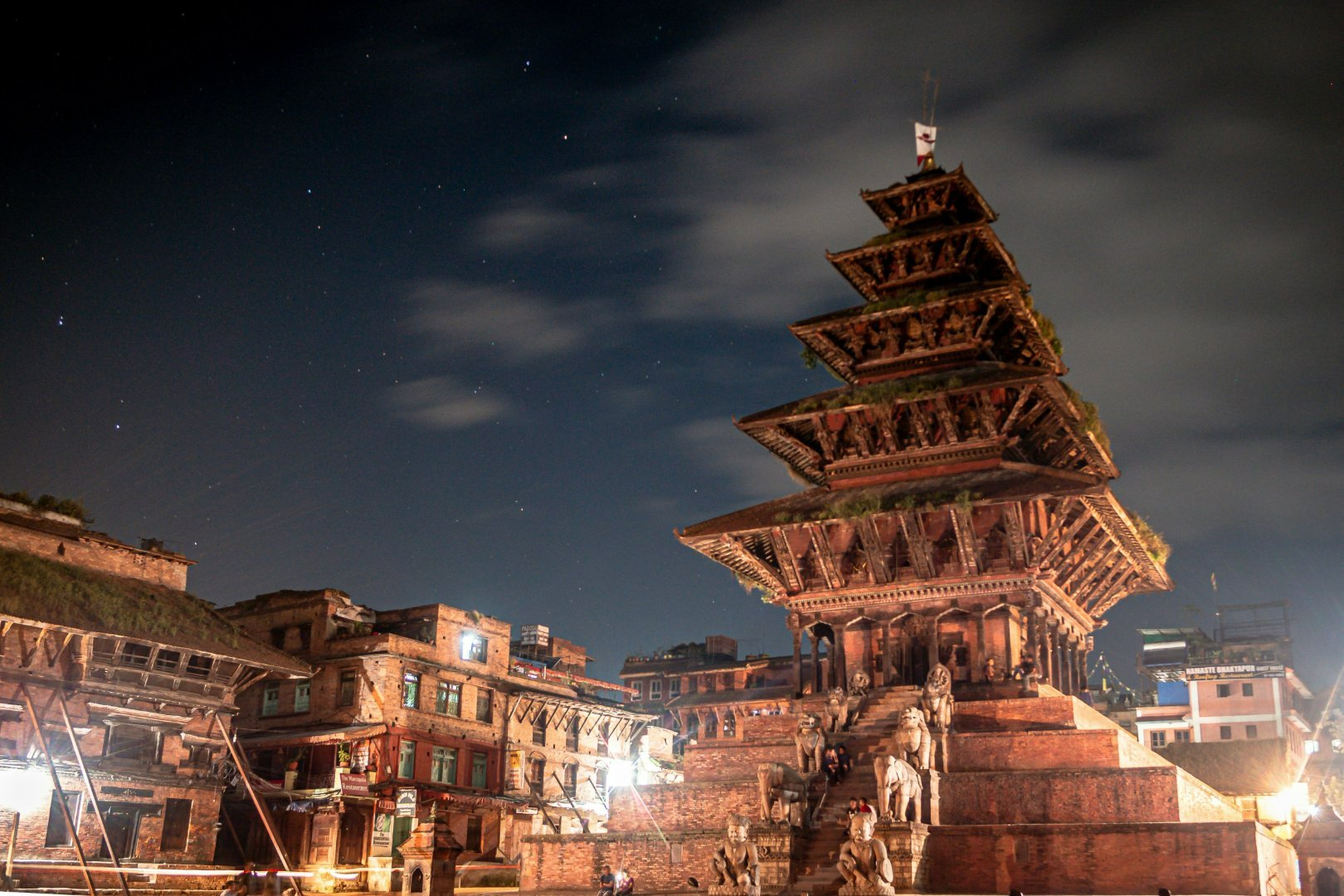
Bhaktapur is one of the most beautiful places in Nepal to experience true Newari culture. The city is often called a “living museum,” not because of old buildings alone, but because people here still live by the same traditions, food habits, festivals, and daily routines that have been followed for centuries. When you walk through the narrow brick lanes, sit in the open courtyards, or watch elders make pottery or wood carvings, you begin to understand that Newari culture in Bhaktapur isn’t something you read about. It is something you feel.
This guide will help you explore that culture in a simple and meaningful way, whether it’s your first visit or your tenth. If you want a simple overview of the city before exploring this topic, you can also read our Bhaktapur Travel Guide, which explains the culture, squares, food, and daily life of the old city.
Why Newari Culture in Bhaktapur Feels So Alive
Bhaktapur is different from many other cities in Nepal. Much of the traditional lifestyle is still preserved. People dress in cultural attire during festivals, families still cook traditional dishes, and old occupations like pottery, woodcarving, and metalwork are still practiced.
A culture woven into daily life
Newari culture is not limited to temples or special celebrations. It appears in the morning when women make puja in courtyards, in the afternoons when people sun-dry grains on old brick squares, and in the evenings when families gather for tea and local snacks.
Every activity has a story behind it, and every corner feels connected to centuries of heritage.
Newari Traditions in Bhaktapur – The Heart of the Community
Traditions guide daily life in Bhaktapur. From the moment you enter the city, you notice small but meaningful details that show how deeply rooted Newari culture is.
Some everyday Newari traditions you will see:
• Offering water and flowers to small roadside shrines
• Women wearing traditional Newari attire during special occasions
• Families drying spices, grains, and homemade snacks in open squares
• Potters shaping clay as part of their ancestral profession
• Elders sitting on “pati” (rest houses) discussing local matters
These simple daily routines keep the cultural heartbeat alive.
Community life is strong
People in Bhaktapur share deep bonds. Neighbors help each other during festivals, weddings, and even simple cooking tasks. The feeling of harmony makes the city warm and welcoming.
Newari Festivals in Bhaktapur – Colorful, Loud, and Full of Life
Bhaktapur festivals are some of the most vibrant celebrations in Nepal. They bring entire communities together, and many of these festivals have stayed unchanged for hundreds of years.
Popular Newari festivals in Bhaktapur:
• Bisket Jatra
One of Bhaktapur’s biggest festivals. A huge chariot carrying Lord Bhairav is pulled through the streets. It is loud, energetic, and full of emotion.
• Yomari Punhi
Celebrates the Newari sweet “yomari.” Families prepare freshly steamed Yomari to mark the arrival of the winter harvest.
• Gai Jatra
A colorful festival that honors loved ones who passed away during the year. Families join the parade wearing costumes and masks.
• Indra Jatra & Lakhey Dance
You will see traditional masked dances that represent gods, demons, and mythological stories.
• Dashain, Tihar, and other Nepali festivals
These festivals also hold special Newari rituals and community gatherings unique to Bhaktapur.
What makes these festivals special
They bring history to the streets. Music, dance, rituals, and food all come together to create a cultural experience that is powerful and unforgettable.
Newari Food in Bhaktapur – A Flavorful Part of Culture
Food is a very important part of Newari culture in Bhaktapur. Many dishes are homemade, prepared using traditional methods, and shared in community gatherings.
Famous Newari dishes you must try:
• Juju Dhau – The famous king curd
• Yomari – Sweet steamed dumpling
• Bara – Lentil pancake
• Samay Baji – Traditional Newari platter
• Choila – Spiced grilled meat
• Aloo Tama – Bamboo shoot curry
• Sel Roti – Sweet rice bread
Each dish has a meaning. For example, Samay Baji is served on important days to bless the family with good health and prosperity. Yomari is offered during Yomari Punhi as a symbol of a good harvest.
Where to find the best Newari food in Bhaktapur
• Local eateries in Taumadhi Square
• Traditional kitchens in Dattatreya Square
• Small home-run restaurants inside the old alleys
• Food stalls during festival season
Eating in Bhaktapur feels like eating at someone’s home. If you want to explore Bhaktapur’s food in more detail, including local snacks and traditional dishes, you can check our Bhaktapur Food Guide for simple explanations and places to try each item.
Art and Craft – A Living Skill in Bhaktapur
Bhaktapur is one of Nepal’s strongest centers of traditional art. Many families are still involved in ancestral occupations.
Main traditional crafts include:
• Woodcarving
• Pottery
• Metalwork
• Painting
• Stone carving
You can walk through Pottery Square and watch artisans work with clay, shaping pots with skill and patience. In Dattatreya Square, you can see the famous Peacock Window, a masterpiece of woodcarving.
Why these crafts matter
These arts are not just products for tourists. They are a part of identity, passed on from generation to generation.
Newari Lifestyle – Simple, Cultural, and Community-Focused
Life in Bhaktapur moves slowly. People wake up early, clean their courtyards, visit temples, and start their day with tea. Homes are built around central courtyards where families gather, dry food, and celebrate together.
Daily activities you’ll notice:
• Women preparing morning puja
• Families drying chili, rice, or grains
• Children playing in open squares
• Men carving wood or clay in workshops
• Locals enjoying tea at small patis
Everything feels simple and deeply cultural. Even daily chores carry historical importance.
Temples and Spirituality – A Calm Side of Newari Culture
Bhaktapur is filled with temples, big and small. Many are tucked into corners of the old alleys. These temples are active, not just decorative.
Spiritual elements you will notice:
• Lamp offerings every morning
• Prayer bells ringing softly
• Festivals connected to ancient gods
• Sculptures and carvings representing Newari beliefs
This spiritual side adds peace and depth to the city’s atmosphere.
How to Explore Newari Culture in Bhaktapur (For First-Time Visitors)
Here are simple ways to experience the city comfortably:
Take slow walks
Bhaktapur is best enjoyed on foot. Walk through Durbar Square, Taumadhi Square, and Pottery Square.
Sit in the courtyards
Find a quiet spot and observe daily life. This gives the clearest view of Newari lifestyle.
Try local food
Taste Juju Dhau, yomari, and Samay Baji from small local kitchens.
Talk to artisans
Potters, woodcarvers, and painters are friendly and enjoy sharing their stories.
Visit during festivals
If possible, plan your visit during Bisket Jatra, Gai Jatra, or Yomari Punhi.
Support local shops
Buying handmade crafts helps preserve these ancient skills.
Final Thoughts
Exploring Newari culture in Bhaktapur feels like stepping into a living history book. The city’s old squares, traditional homes, warm people, festivals, foods, and crafts make it one of the most culturally rich places in Nepal. Bhaktapur has a quiet, honest beauty that grows on you the more time you spend here.
If you love culture, food, and history, or simply want to experience a slower, more meaningful part of Nepal, Bhaktapur will touch your heart. If you want to explore Bhaktapur in local way, book your experience at Nepal Homestays.
FAQs
1. What is Bhaktapur known for?
Bhaktapur is known for Newari culture, ancient temples, traditional crafts, and its famous Juju Dhau.
2. Is Bhaktapur good for cultural travel?
Yes, it is one of the best places in Nepal to experience living history and Newari traditions.
3. Which festivals are most important in Bhaktapur?
Bisket Jatra, Gai Jatra, Yomari Punhi, and Indra Jatra are major cultural celebrations.
4. What food should I try in Bhaktapur?
Juju dhau, yomari, bara, samay baji, choila, and sel roti are must-try dishes.
5. How can I experience Newari culture as a traveler?
Walk through the old squares, eat local food, talk to artisans, and visit during festivals for the best experience.
Company Admin
Travel writer sharing authentic stories and experiences from Nepal's beautiful homestays.