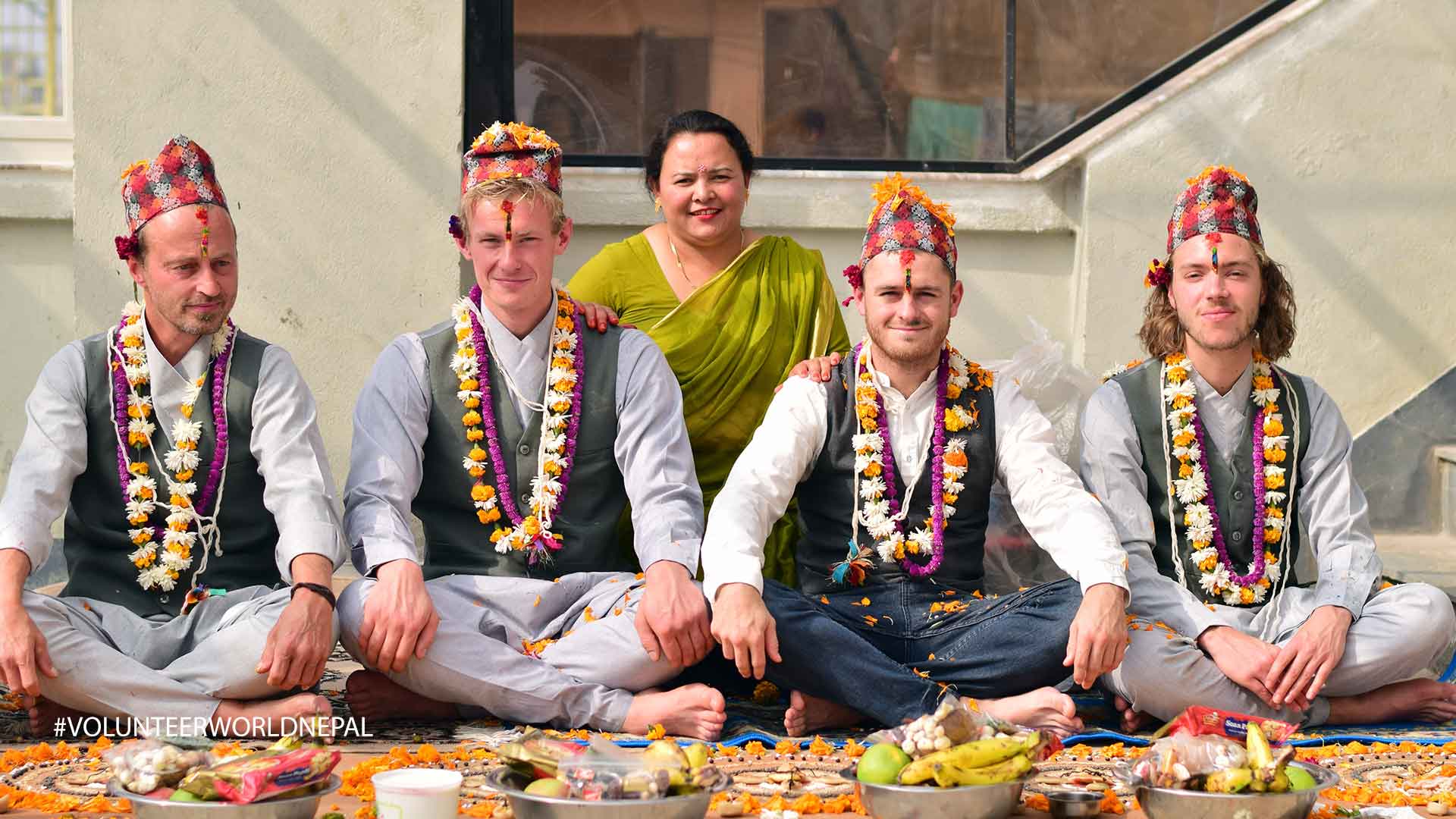
If you want to understand Nepal beyond its mountains and temples, experience its festivals. Every village, city, and community celebrates life in its own unique way. And the best way to truly be part of these celebrations is by staying in a homestay in Nepal.
When you stay with a local family, festivals are not just something you watch, you live them. You help decorate homes, share meals, and join the rhythm of drums, songs, and laughter.
If you’re planning your trip around local festivals, check out our detailed guide on the best time to visit homestays in Nepal to make the most of each season.
Why Festivals Are an Important Part of Nepali Homestay Experience
Festivals in Nepal are more than just holidays. They are moments of family, gratitude, and connection. Whether it’s a big celebration like Dashain or a local village ritual, every festival brings people together.
According to the Nepal Tourism Board, the country celebrates more than 50 major festivals each year, reflecting its cultural diversity.
When you stay in a homestay, you don’t just observe from afar, you:
Help your hosts prepare for rituals and feasts.
Learn about customs passed down through generations.
Taste festival foods made only during those special days.
Join in dance, music, and temple visits as part of the community.
For travelers seeking cultural depth, this is the heart of homestay tourism in Nepal, real participation and human connection.
Dashain: The Festival of Family and Blessings
When: September–October (autumn season)
Duration: 15 days
Dashain is Nepal’s biggest and longest festival. It celebrates the victory of good over evil and honors goddess Durga.
During this time, families across the country clean and decorate their homes, prepare feasts, and gather to receive blessings from elders.
What You’ll Experience in a Homestay
Families preparing special dishes like sel roti, goat curry, and yogurt.
Elders place tika (a red mark of blessing) on the foreheads of younger family members.
Flying kites, playing swings, and community feasts.
If you stay in a homestay during Dashain, you’ll see what family means in Nepal. The atmosphere is full of warmth, joy, and tradition. It’s also the best time to visit homestays in Nepal if you love festivals and local culture.
Tihar: The Festival of Lights and Love
When: October–November (right after Dashain)
Duration: 5 days
Tihar, also known as the Festival of Lights, is the second biggest celebration in Nepal. It’s similar to Diwali in India but has its own charm and rituals.
Each day is dedicated to honoring animals, gods, and family bonds: from crows and dogs to cows and siblings.
What You’ll Experience in a Homestay
Houses lit up with oil lamps and candles.
Singing and dancing known as Deusi Bhailo performed by villagers.
Sisters putting tika on their brothers’ foreheads on the last day, celebrating Bhai Tika.
During Tihar, the difference between staying in a luxury resort and a rural homestay in Nepal becomes clear, real joy comes from being part of the family. Children sing traditional songs door to door, and everyone welcomes you as part of their family.
Holi: The Festival of Colors
When: March (spring season)
Duration: 1–2 days
Holi brings color, music, and happiness across Nepal. People throw colored powder and water at each other to celebrate the arrival of spring and the victory of good over evil.
What You’ll Experience in a Homestay
Preparing natural colors and sweets with your host family.
Joining locals in playing with colors in village squares.
Enjoying music, dancing, and laughter that last the whole day.
If you’re staying in a homestay in Kathmandu Valley or Terai, you’ll witness different styles of celebration. In villages, it feels more personal and family-oriented.
This season also offers great weather, making it one of the best seasons for a homestay in Nepal.
Maghe Sankranti: The Festival of Warmth and Food
When: Mid-January (winter season)
Maghe Sankranti marks the end of winter and the beginning of longer, warmer days. Families gather and share special dishes like til ko laddu (sesame sweets), chaku (molasses), and yam.
What You’ll Experience in a Homestay
Hosts preparing traditional winter meals.
Villagers taking holy dips in rivers early in the morning.
A relaxed family atmosphere around warm fires.
In a rural homestay, you can see how food brings everyone together. This festival is simple, peaceful, and full of gratitude, a beautiful reflection of rural Nepali culture.
Teej: The Festival of Women and Devotion
When: August–September (monsoon season)
Duration: 3 days
Teej is a women’s festival dedicated to Goddess Parvati, celebrating love, prayer, and renewal. Women dress in red saris, sing traditional songs, and fast while praying for the well-being of their families.
What You’ll Experience in a Homestay
Women singing and dancing together in homes or temples.
Preparing special dishes like thekuwa and sel roti.
Hosts sharing stories about love, faith, and womanhood.
Staying with a local family during Teej gives travelers an inspiring look at women empowerment through tradition. It’s a colorful, emotional, and uplifting experience.
Losar: The Tibetan New Year
When: January–February (winter)
Regions: Mountain areas, Mustang, Manang, Solukhumbu
Losar means “New Year” in Tibetan. It is celebrated by the Sherpa, Tamang, and Gurung communities in the Himalayan region.
What You’ll Experience in a Homestay
Hosts cooking traditional dishes like khapse (fried bread) and thukpa.
Monasteries filled with chanting, dancing, and singing.
Families lighting butter lamps and exchanging greetings.
Losar is one of the most beautiful times to stay in a mountain homestay in Nepal, especially in areas like Ghale Gaun or Tamang Heritage Trail villages.
Bisket Jatra: The Festival of New Year and Energy
When: Mid-April (Nepali New Year)
Where: Bhaktapur and surrounding regions
Bisket Jatra celebrates the Nepali New Year with chariot parades, tug-of-war competitions, and community feasts.
What You’ll Experience in a Homestay
Witnessing colorful processions in Bhaktapur or nearby villages.
Eating New Year meals with your host family.
Joining in local games and music events.
Staying in a homestay during Bisket Jatra gives you a front-row seat to one of Nepal’s liveliest cultural events.
Chhath Parva: The Festival of the Sun
When: October–November (autumn season)
Regions: Terai region of Nepal
Chhath Parva is dedicated to the Sun God and his wife Usha. It’s one of the most spiritual and disciplined festivals in the Terai region.
What You’ll Experience in a Homestay
Families fasting and preparing offerings of fruits and sweets.
Women praying at riverbanks during sunrise and sunset.
The entire community gathered peacefully near water bodies.
If your homestay experience is in places like Janakpur or Birgunj, you’ll see faith, beauty, and devotion all come together.
Indra Jatra: The Festival of the Living Goddess
When: September
Where: Kathmandu Valley
Indra Jatra is one of the grandest festivals of the Newar community. It honors Lord Indra, the god of rain, and features the Kumari, Nepal’s living goddess. Some of these traditions are even recognized by UNESCO as part of Nepal’s intangible cultural heritage.
What You’ll Experience in a Homestay
Seeing masked dances and chariot processions in Kathmandu.
Hearing traditional drums and watching sacred rituals.
Learning about the story of the Living Goddess from your hosts.
A homestay in Kathmandu Valley during Indra Jatra gives you direct insight into one of Nepal’s oldest urban traditions.
Other Local and Regional Festivals You Might Discover
Nepal has hundreds of smaller regional festivals that vary by ethnic group and region. Depending on where your homestay is, you might also experience:
Tamu Losar: Gurung New Year celebrated in western hills.
Ubhauli and Udhauli: Kirat festivals marking farming cycles.
Janai Purnima: Sacred thread festival celebrated by Hindus.
Gaijatra: Festival of humor and remembrance in Kathmandu.
Every homestay and village has something unique to share. That’s the beauty of seasonal homestay experiences in Nepal—no two visits are ever the same.
When Is the Best Time to Visit Homestays for Festivals?
The best time to visit homestays in Nepal for festival experiences is between September and November. During this season, you can witness Dashain, Tihar, and Chhath Parva—three of the biggest celebrations in the country.
Spring (March to May) also offers great opportunities with Holi and Bisket Jatra, while winter brings Maghe Sankranti and Losar in the mountains.
Before festival season begins, read our simple guide on how to find and book the perfect homestay in Nepal for a smooth experience.
To find verified local stays and community-run accommodations, visit the Nepal Homestay Network.
Tips for Experiencing Festivals in Homestays
Ask before joining rituals to show respect for traditions.
Dress modestly and follow your host’s lead in temples.
Offer to help with decorations or cooking. It’s a great way to bond.
Try festival foods, many are made only once a year.
Be present. Festivals in Nepal are about joy and connection, not just photos.
Final Thoughts: Discover Nepal’s Spirit Through Its Festivals
Nepal’s festivals are a mirror of its heart, full of devotion, color, and community. When you experience them during a homestay stay, you are not a tourist; you become part of a family.
You’ll share laughter over sel roti, light lamps together during Tihar, and dance to folk songs during Teej. These moments stay with you long after the trip ends.
So if you truly want to know Nepal, come during festival time. Stay with a local family, take part in their traditions, and let the rhythm of celebration fill your journey with joy.
Frequently Asked Questions (People Also Ask)
1. How do I plan my trip around the festivals of Nepal?
The best way is to check the festival calendar and match it with your travel dates. Most major festivals like Dashain and Tihar fall between September and November. Spring is also festive with Holi and Bisket Jatra. Staying in homestays lets you join local celebrations directly.
2. Are festivals celebrated differently in rural homestays and cities?
Yes, rural homestays offer a more personal and traditional experience. You can help with decorations, cook festival meals, and join family prayers. In cities, festivals are larger and more public, with parades, concerts, and street events.
3. What kind of cultural activities can travelers join during Nepali festivals?
Travelers can take part in singing, dancing, making sel roti, decorating homes, or joining temple visits. Most homestay hosts are happy to involve guests in every step of the celebration, making it a true cultural homestay experience in Nepal.
4. How can I respectfully take part in Nepali festivals as a foreigner?
Always follow your host’s lead. Ask before entering temples or joining rituals. Dress modestly, remove shoes where required, and greet people with “Namaste.” Respect for local customs will make your homestay experience in Nepal more meaningful.
5. Which season is best to experience festivals in a homestay in Nepal?
Autumn (September–November) is the best time to visit homestays in Nepal for festivals like Dashain, Tihar, and Chhath Parva. Spring (March–May) is also lively with Holi and New Year celebrations such as Bisket Jatra.
Company Admin
Travel writer sharing authentic stories and experiences from Nepal's beautiful homestays.