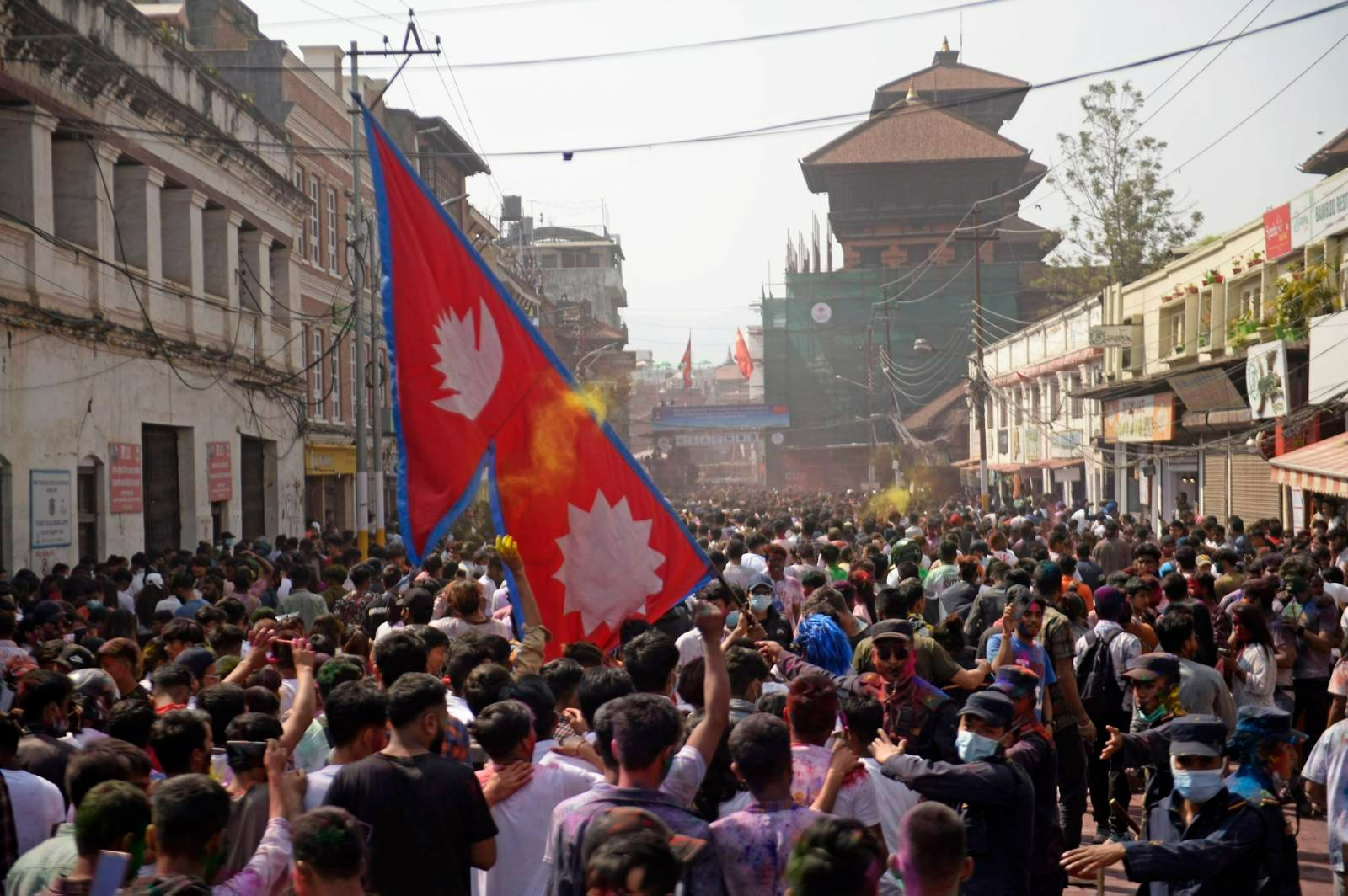
Planning Holi in Nepal for 2026? From the electric streets of Birgunj to the spiritual celebrations in Janakpur and the vibrant mix of Kathmandu, discover the best cities, dates, and where to stay for an unforgettable Festival of Colors.
Key Takeaways
Holi is the Hindu Festival of Colors celebrated every spring across Nepal and India.
The festival usually falls in March and is a public holiday in Nepal.
Birgunj and Janakpur are the top cities for Holi celebrations in Nepal.
Kathmandu offers a mix of traditional and modern Holi parties.
Book your accommodation at least two to three weeks early because rooms fill up fast during Holi.
Consider staying in a homestay for a deeper, more personal cultural experience.
What Is Holi? The Festival of Colors Explained
Holi is one of the most popular Hindu festivals in the world. It is celebrated every spring, usually in March, on the last full moon day of the Hindu month of Phalguna. People throw colored powder and water at each other, dance, sing, and eat sweets. It is a festival of joy, love, and new beginnings.
The name "Holi" comes from the word "Holika," a demon in Hindu mythology. According to the story, a young boy named Prahlad was a devotee of Lord Vishnu. His evil aunt Holika tried to kill him by sitting with him in a fire, but Prahlad survived and Holika burned away. Holi marks the victory of good over evil, and that spirit of celebration carries into every street, home, and neighborhood on the day of the festival.
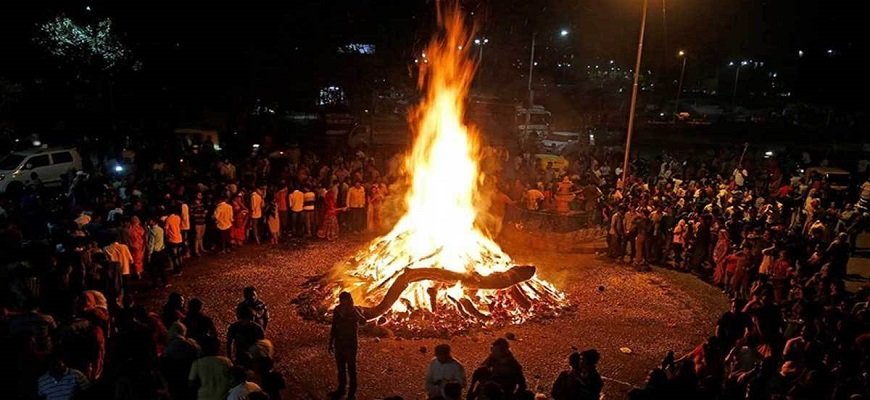
In Nepal, Holi is a public holiday and people of all ages take part. The festival is also known as "Fagu Purnima" in Nepal. Holi 2026 falls on March 4, 2026 in the Terai region, and on March 3, 2026 in the Kathmandu Valley and hilly regions. The one-day difference in dates is based on the traditional Nepali Hindu calendar.
The History and Meaning of Holi in Nepal
Holi has been celebrated in Nepal for hundreds of years. The festival has deep roots in Hindu religion and culture, and it holds special meaning for the people of the Terai, which is the plains region where the majority of Nepal's Hindu population lives.
In Nepal, Holi also marks the end of winter and the welcome of spring. Farmers see it as a time to give thanks for a good harvest season. Families come together, forgive old arguments, and start fresh. It is a time when social boundaries break down and everyone plays together as equals, regardless of age, wealth, or background.
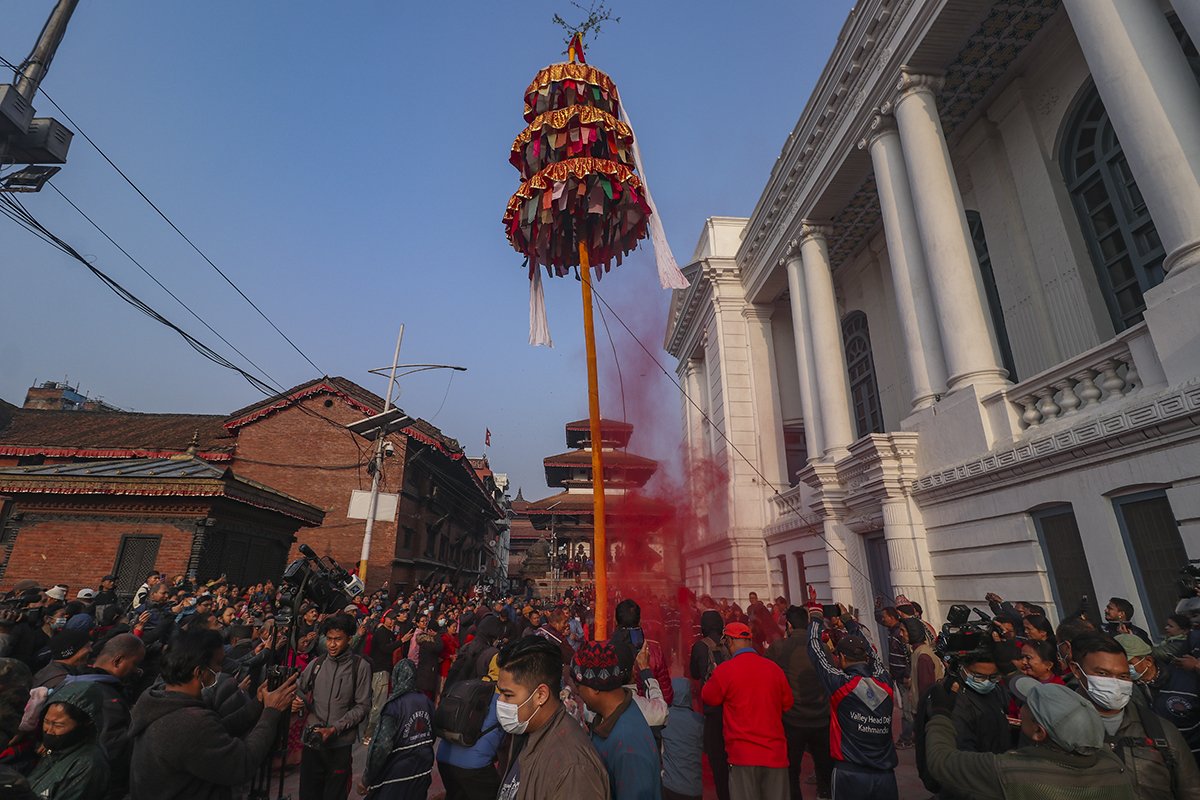
One special tradition found only in Nepal is the raising of a "chir" pole. A tall bamboo pole decorated with colorful cloth strips is raised in public spaces like Basantapur Durbar Square in Kathmandu before the festival begins.
Holi in Different Cities of Nepal
Nepal celebrates Holi in many different ways depending on the city or region. Each place brings its own style, energy, and meaning to the festival. Here is a look at the best cities to experience Holi across Nepal in 2026.
Birgunj: The Most Colorful Holi in Nepal
Birgunj, located on the Nepal-India border, is widely considered the best place to celebrate Holi in Nepal. The city has a large Hindu population with strong cultural ties to India, which makes the celebration here more vibrant and energetic than anywhere else in the country.
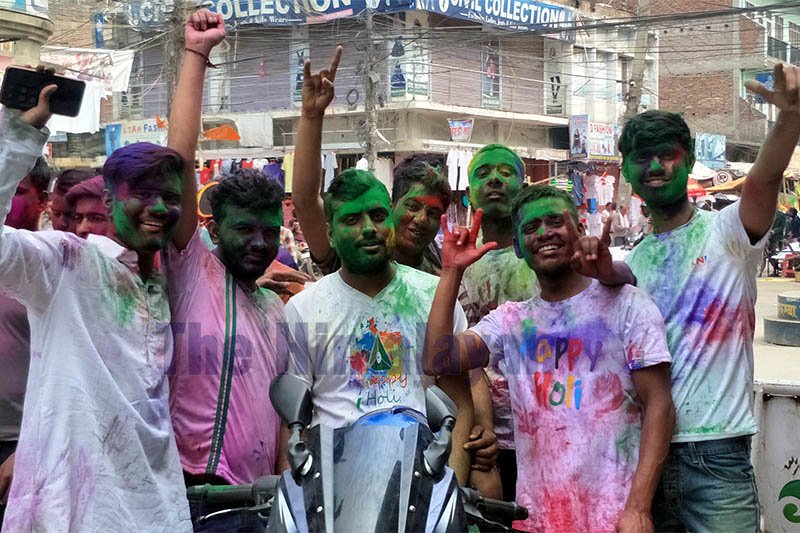
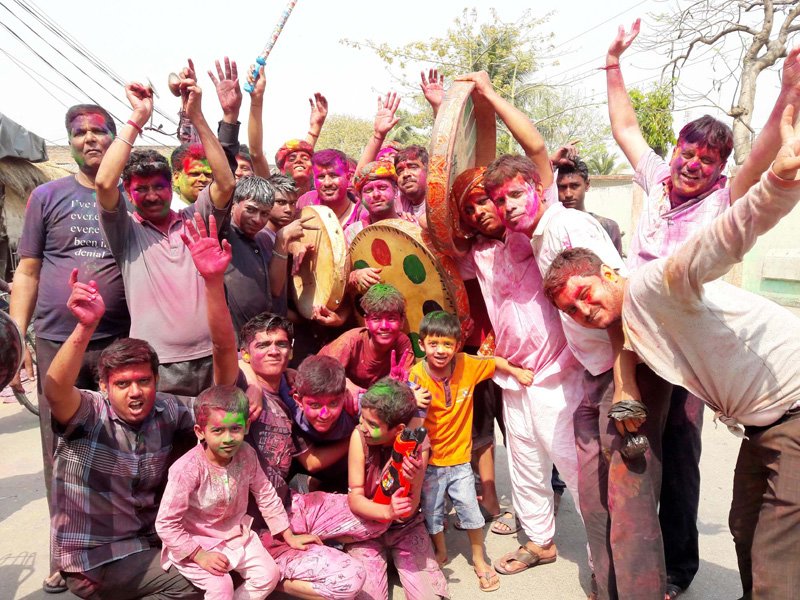
Holi in Birgunj is a full-day event that spills out into every street and alley. The celebration starts in the morning and goes on well into the night. Streets are packed with people of all ages throwing colored powder and water, and traditional music fills the air from every corner. Many shops close for the day as the entire city gives itself over to the festival. The India-Nepal border atmosphere adds an extra layer of cultural energy that you simply cannot find anywhere else in Nepal, and the sheer scale of the celebrations makes it unforgettable.
Best area to experience Holi in Birgunj: The main bazaar area and public squares are the heart of the celebration.
Janakpur: Holi with Deep Religious Meaning
Janakpur is one of the holiest cities in Nepal. It is the birthplace of Goddess Sita from the Hindu epic Ramayana, and Holi here carries a much deeper religious meaning than in other cities. This makes Janakpur a truly unique place to experience the festival.
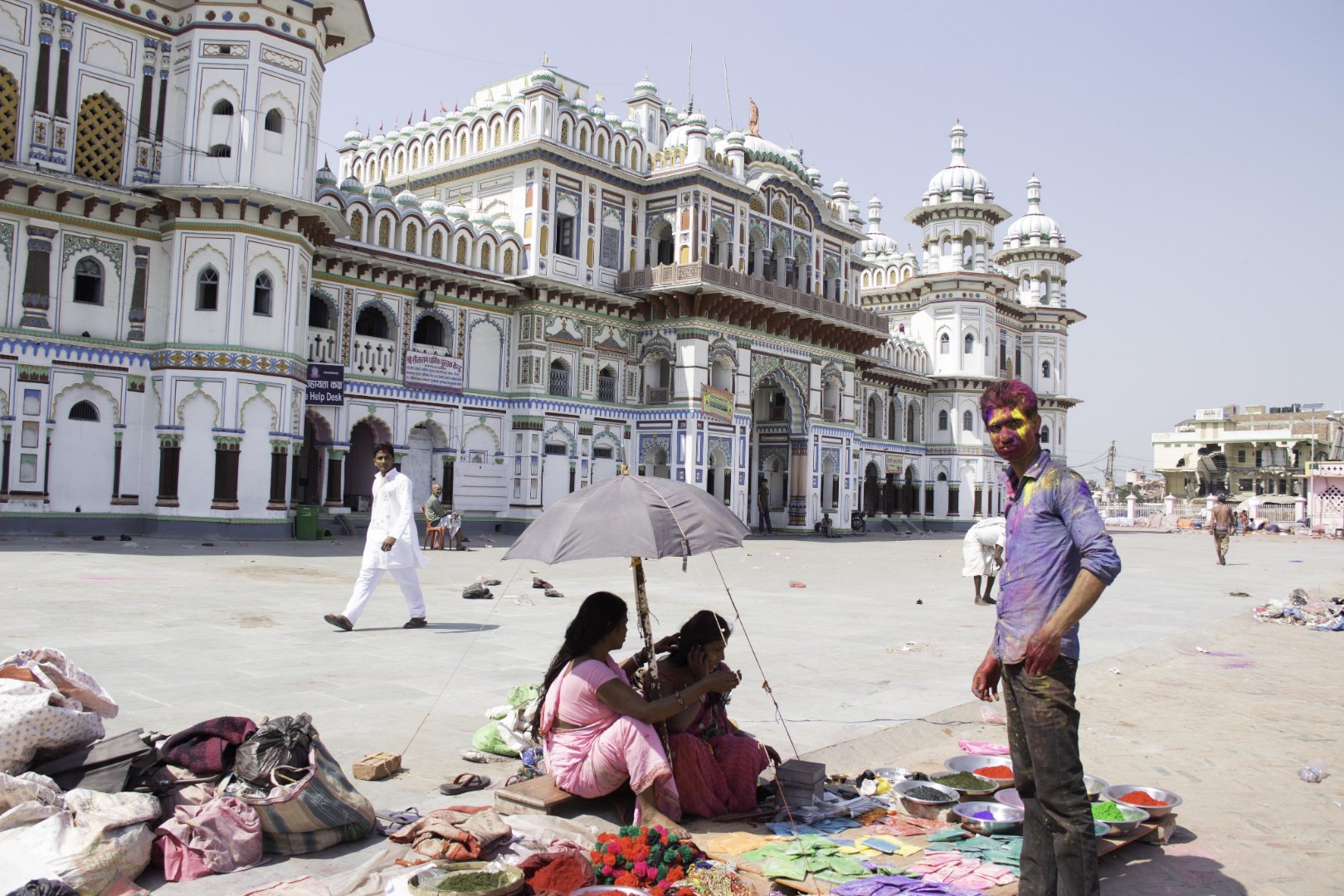
The Holi celebration in Janakpur is tied to the love story of Ram and Sita. People here play Holi as a way of honoring that divine love story. The festival begins with religious rituals at the famous Janaki Mandir temple, where devotees gather early in the morning to offer prayers before playing color. The streets around the temple then become a sea of pink, yellow, green, and red as the day goes on. Here is what makes Holi in Janakpur stand out from every other city:
The festival begins with morning prayers at the Janaki Mandir temple, one of the most beautiful Hindu temples in Nepal, before the color celebrations begin.
Traditional folk songs called "Hori" are sung by groups of people as they walk through the streets, filling the city with music from morning to night.
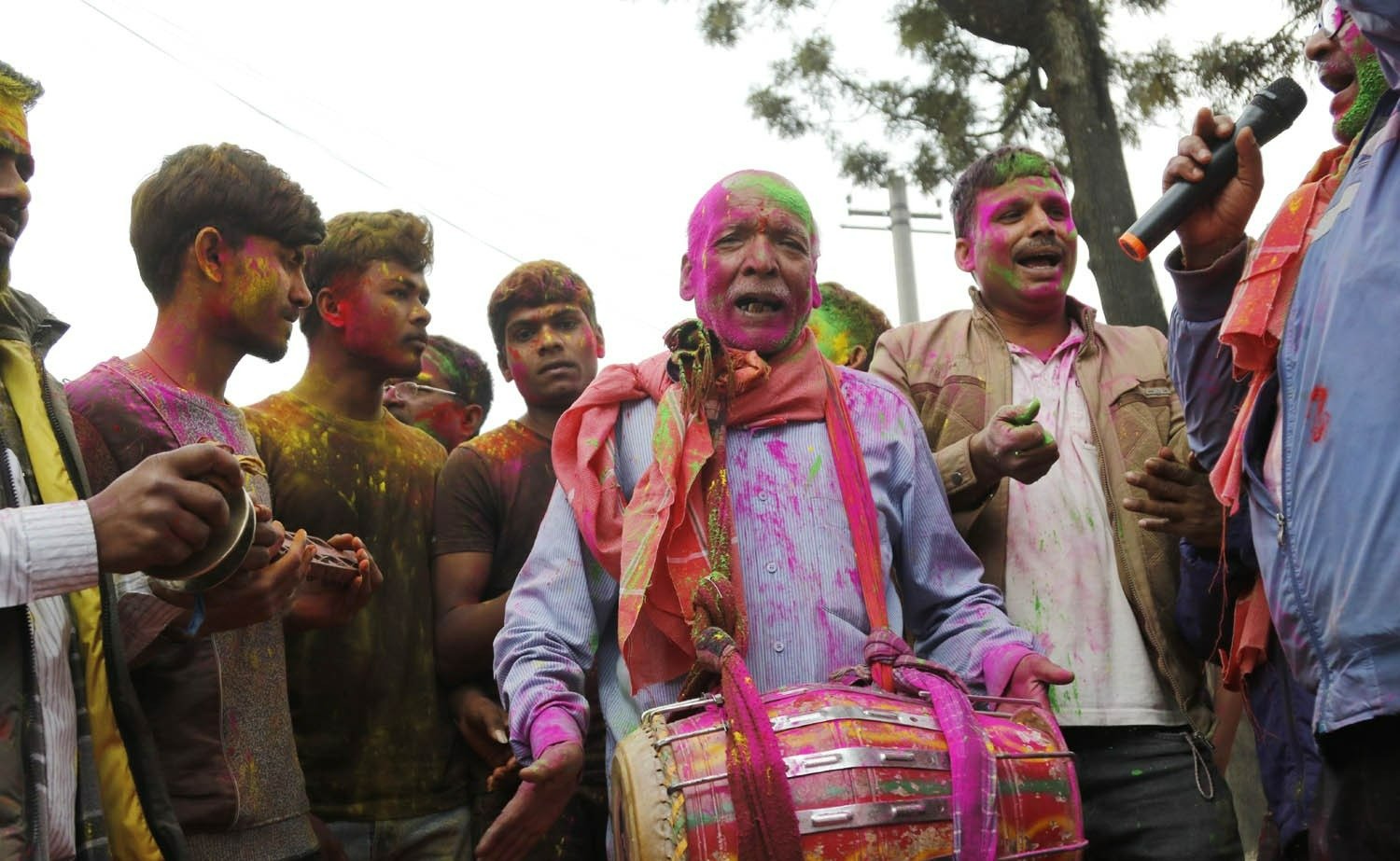
The atmosphere is more spiritual and community-focused than in border cities like Birgunj, making it a calmer but deeply meaningful experience.
The Maithili culture of Janakpur adds unique local flavors to the festival, from the food to the clothing people wear while celebrating.
If you want to feel the soul of Holi rather than just the splash of color, Janakpur is the place to be.
Pro Tip: Visit the Janaki Mandir temple early in the morning on Holi day for a peaceful and special experience before the streets get crowded.
Kathmandu: Holi with a Modern Twist
Kathmandu, the capital city of Nepal, celebrates Holi in a way that mixes old traditions with modern fun. The city is home to people from all over Nepal and the world, which makes the celebration here more diverse and welcoming, especially for first-time visitors and international travelers.
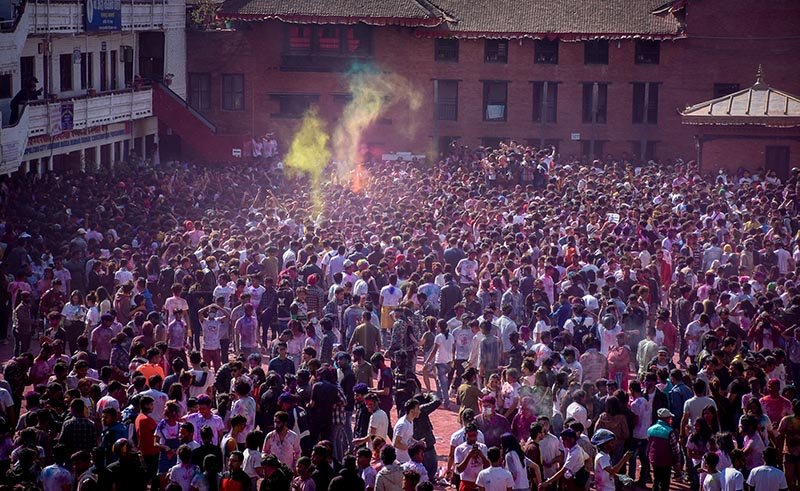
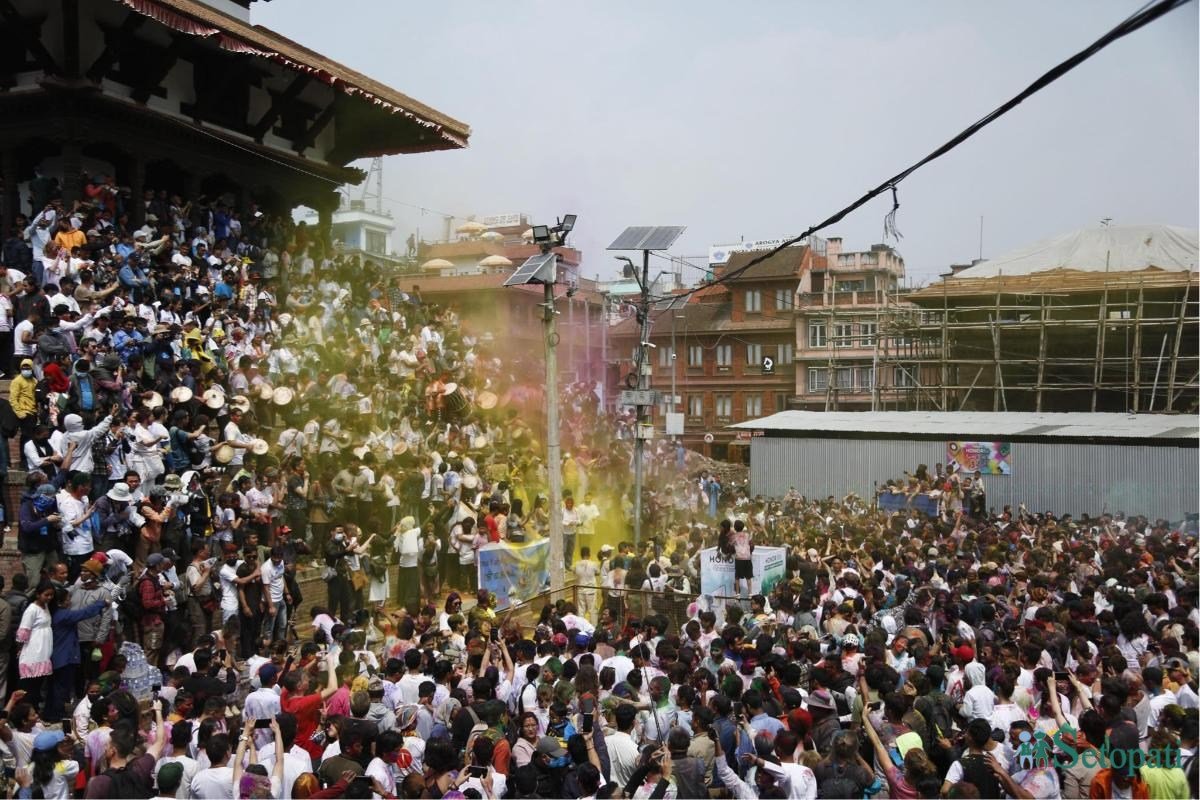
The heart of traditional Holi in Kathmandu is Basantapur Durbar Square, also called Hanumandhoka, where the chir pole is raised before the festival and where locals gather to celebrate with color and music. Thamel, the tourist district, has its own energy with water fights, color parties, and a lively crowd from around the world. Here are the best spots and experiences to look for during Holi in Kathmandu:
Basantapur Durbar Square is the most traditional place to experience Holi in Kathmandu, with the chir pole ceremony and large community gatherings throughout the day.
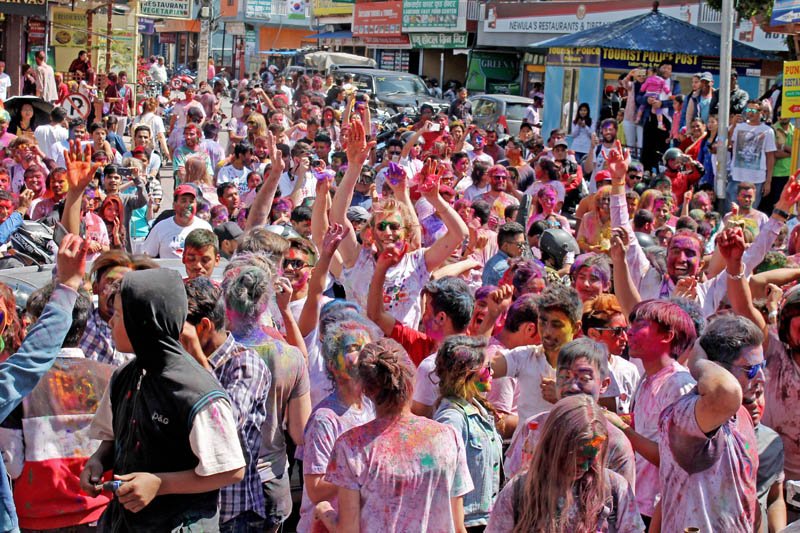
Thamel is the go-to neighborhood for tourists, with outdoor color fights, water balloon battles, and hotels that host their own Holi parties with live music.
Patan and Bhaktapur are old Newari towns just outside central Kathmandu where the celebration feels more intimate and culturally rooted.
Many restaurants and rooftop venues in Kathmandu organize special Holi events with food, music, and a safe environment for families and solo travelers alike.
Note: Remember that the Kathmandu Valley celebrates Holi one day earlier than the Terai region. In 2026, Kathmandu will be celebrated on March 3.
Pokhara: Holi by the Lakeside
Pokhara is Nepal's second biggest city and a favorite among travelers for its stunning natural setting. While it is not as famous for Holi as Birgunj or Janakpur, the lakeside setting makes it a relaxed and beautiful place to celebrate the festival. The Lakeside area along Phewa Lake becomes a popular spot for color throwing and water fights, where tourists and locals mix freely and the atmosphere is warm and welcoming.
Holi Celebrations: City Comparison
Where to Stay During Holi in Nepal
Finding the right place to stay during Holi is just as important as choosing which city to visit. Hotels book up quickly and prices rise in the weeks leading up to the festival. As a general rule, book your accommodation at least two to three weeks in advance, especially if you are traveling to Birgunj or Janakpur where options are more limited.
One of the most rewarding ways to experience Holi in Nepal is to stay in a local homestay. Homestays place you inside a real Nepali family's home, and during Holi, this means waking up to the smell of homemade sweets being prepared in the kitchen, joining the family as they apply color to each other in the morning, and sharing traditional festival food throughout the day. It is a completely different experience compared to staying in a hotel, and many travelers say it is the highlight of their entire trip to Nepal.
Where to Stay in Birgunj
Birgunj has a range of hotels from budget homestays to mid-range business hotels. Look for accommodation in or near the main bazaar area so you can walk to the festivities without needing transport. For those who want a more personal experience, some local families in Birgunj open their homes to guests during Holi. Staying with a family here means you get to celebrate the festival the way locals do, with home-cooked food, personal color-throwing rituals in the courtyard, and stories about what Holi means to the family across generations. Ask at local guesthouses or contact community tourism groups to find homestay options in the area.
Where to Stay in Janakpur
Janakpur has limited hotel options compared to bigger cities, so booking early here is essential. Look for accommodation close to the Janaki Mandir area so you can walk to the temple for morning rituals without rushing. Janakpur is also one of the best cities in Nepal for a Holi homestay. The Maithili community here has a rich cultural tradition around the festival, and many families are welcoming to visitors. Staying with a local Maithili family during Holi means you get to experience the Hori singing tradition up close, eat authentic Maithili festival food, and understand the spiritual meaning of the celebration through the eyes of people who have celebrated it their whole lives. This kind of experience is not available in any hotel, and it is the kind of memory you carry with you forever.
Where to Stay in Kathmandu
Kathmandu has the most accommodation options in Nepal, from homestays to luxury hotels. The Thamel area is the best neighborhood to stay in if you want to be close to tourist-friendly Holi celebrations and evening parties. The Basantapur and Old Town area is better if you want to be near the traditional Durbar Square celebrations and the chir pole ceremony.
For a cultural homestay experience in Kathmandu, look for Newari family homestays in the old town neighborhoods of Bhaktapur or Patan. These families follow traditional Newari customs during Holi and the surrounding festival days, and staying with them gives you a window into a side of the festival that most tourists never see. Nepal Homestays platform can connect you with trusted homestay families who speak English and are experienced in hosting guests.
Where to Stay in Pokhara
Pokhara's Lakeside neighborhood is the best place to stay during Holi. Hotels and guesthouses along Phewa Lake offer beautiful views and are central to the Holi activities in the area. The relaxed atmosphere of Pokhara means you have a slightly easier time finding last-minute rooms compared to Birgunj or Janakpur, but booking early is still a good idea. For a homestay in Pokhara, look for families in the quieter villages just outside the main tourist area. These homestays often include home-cooked meals and a genuinely personal welcome into the family's Holi celebrations.
Tips for Celebrating Holi Safely in Nepal
Holi is a joyful festival, but a little preparation goes a long way. The streets get crowded, the colors fly everywhere, and the day moves fast. Going in prepared means you spend the day having fun instead of dealing with problems. Here are the most important things to keep in mind before you head out:
Apply coconut oil or a thick moisturizer all over your skin and hair before you go out, as this makes it much easier to wash the color off at the end of the day.
Wear old clothes that you do not mind throwing away, since color stains are permanent and even white clothing will never look the same again.
Keep your phone in a sealed plastic zip bag inside your pocket, and leave expensive jewelry, cameras, and laptops safely at your hotel.
Buy natural, organic color powder from local markets before the festival, as synthetic colors can cause skin irritation and eye discomfort.
Stay in groups and always ask before throwing color on someone, because not everyone chooses to participate and their choice should be respected.
Drink only sealed bottled water throughout the day and take breaks in shaded spaces if the heat gets to you, especially in the Terai region where March can be warm.
What to Eat During Holi
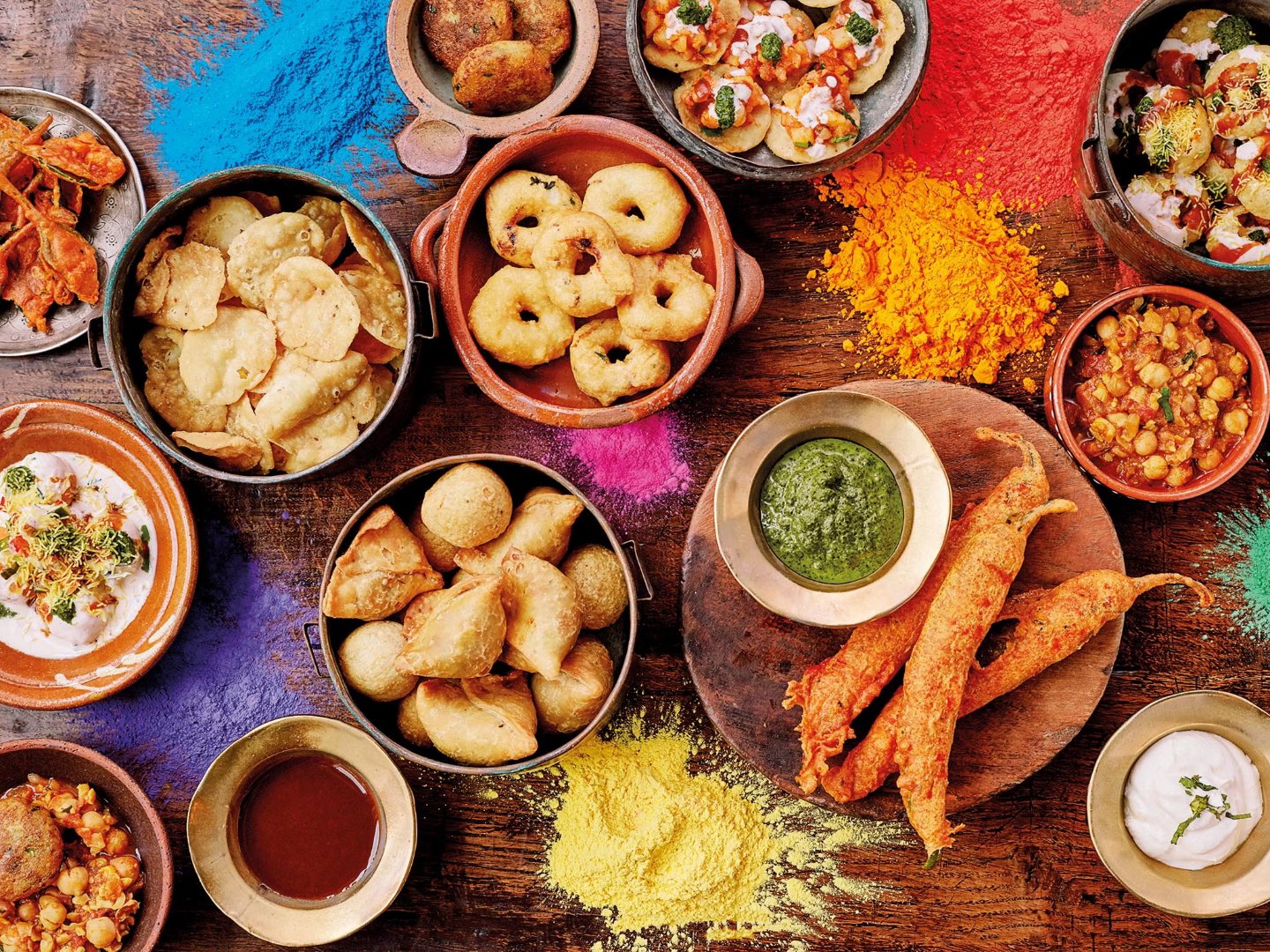
Food is a big part of the Holi celebration in Nepal, and the festival comes with its own set of traditional foods and drinks that you should make sure to try. Street food vendors set up stalls throughout city centers during Holi, and if you are staying in a homestay, your host family will almost certainly prepare several of these dishes fresh at home. The homemade versions are almost always better. Here are the must-try Holi foods in Nepal:
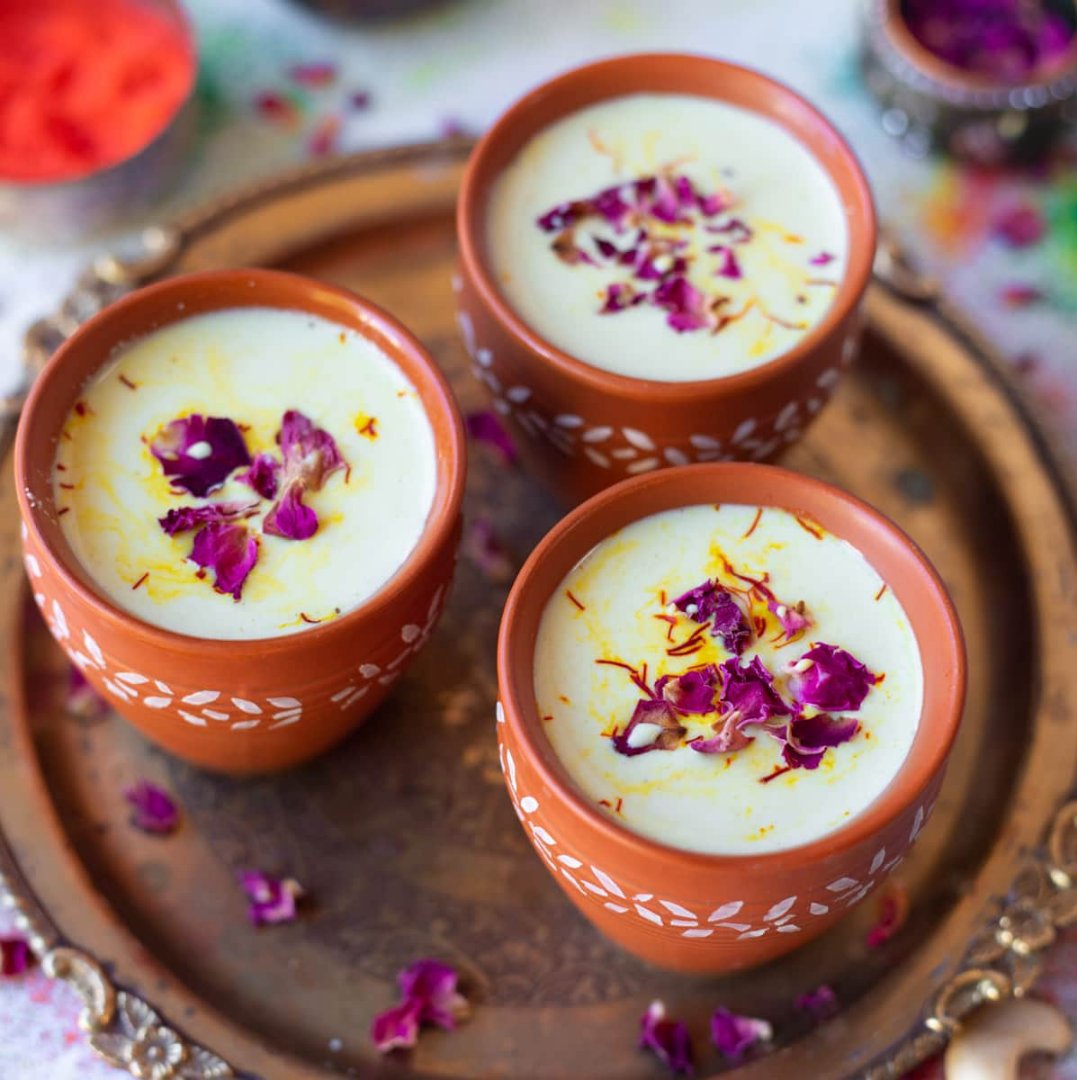
Thandai is the most iconic Holi drink, a cold spiced milk made with almonds, pepper, and aromatic spices that you will find everywhere during the festival.
Gujiya is a sweet fried dumpling stuffed with nuts and dried fruit that shows up at almost every Holi gathering across Nepal and India.
Malpua is a sweet fried pancake soaked in sugar syrup and is one of the most loved festival sweets in the Terai region.
Dahi Vada is made from fried lentil balls served in cool yogurt and topped with tangy chutneys, making it a refreshing snack on a warm Holi day.
Puran Poli is a sweet flatbread stuffed with lentils and jaggery that is especially popular in Terai households during the festival season.
Final Thoughts: Why You Should Celebrate Holi in Nepal in 2026
Holi in Nepal is a truly unforgettable experience. Whether you want the wild, energetic street celebrations of Birgunj, the spiritual depth of Janakpur, or the fun and welcoming vibe of Kathmandu and Pokhara, Nepal has something for every kind of traveler.
If you really want to make the most of the festival, consider staying in a local homestay. There is no better way to understand what Holi means to the people of Nepal than to celebrate it inside their homes, at their table, and alongside their family. The Festival of Colors in Nepal is more than just throwing powder. It is about joy, community, forgiveness, and the arrival of spring. Plan your trip early, book your stay in advance, come prepared, and get ready to paint the world in color.
Frequently Asked Questions About Holi in Nepal
When is Holi 2026 in Nepal?
Holi 2026 falls on March 4, 2026 in the Terai region and on March 3, 2026 in the Kathmandu Valley and hilly regions. The one-day difference comes from the traditional Nepali Hindu calendar.
Is Holi a public holiday in Nepal?
Yes, Holi, also called Fagu Purnima, is a public holiday in Nepal. Most government offices, banks, and many businesses remain closed on this day.
Is it safe to celebrate Holi as a tourist in Nepal?
Yes, Holi is generally safe for tourists. Stay in groups, protect your valuables, be aware of your surroundings in crowded areas, and stick to popular celebration spots for the best and safest experience.
What is the difference between Holi in Nepal and India?
Holi in Nepal and India share the same roots, but Nepal adds its own local traditions. The Terai region's Holi is culturally very close to India's style. The hill region, including Kathmandu, adds traditional Newari cultural elements including the chir pole ceremony at Basantapur Durbar Square, which is unique to Nepal.
Can non-Hindus participate in Holi in Nepal?
Absolutely. Holi in Nepal is open to everyone regardless of religion or background. Many tourists and non-Hindu Nepali people join in the celebration every year. The festival is a time of openness and inclusion.
How do I find a homestay for Holi in Nepal?
You can find homestays through Nepal Homestays network. For Janakpur and Birgunj, it is best to contact local tour operators who have existing relationships with homestay families in those areas and can help with introductions and logistics.
Company Admin
Travel writer sharing authentic stories and experiences from Nepal's beautiful homestays.