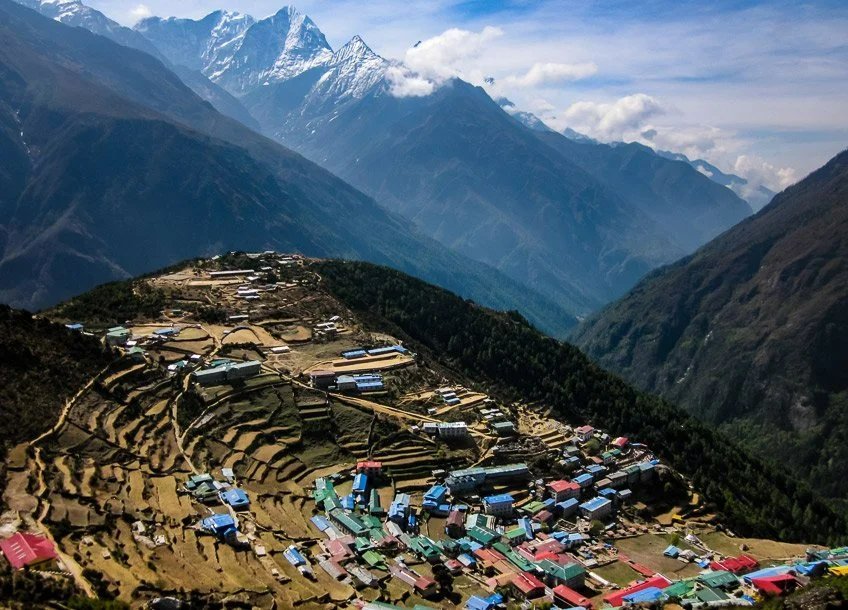
A homestay in Nepal is more than a place to sleep. It is shared meals, village life, and real connection. This 2026 guide covers where to stay, costs, culture, safety, and how to book an authentic Nepal homestay experience that supports local families.
Key Takeaways
Nepal has over 6,500 registered homestays across 1,500+ villages, from mountain foothills to jungle-edge Terai communities.
A homestay costs roughly $10 to $30 per night including meals, and your money goes directly to local families.
You don't need to be a trekker. Homestays exist near Kathmandu, Pokhara, Chitwan, and off-the-beaten-path towns like Dhankuta.
Respect, curiosity, and flexibility are your three best travel tools.
Many homestays are run by women, and your stay directly supports their income and independence.
Support Women directly by staying at their Homestays. Many homestays are run by women.
Introduction
You've heard of Nepal. You've seen the photos, snow-capped peaks, prayer flags, temples wrapped in smoke.
But what if the most powerful part of your trip had nothing to do with altitude?
What if it was sitting cross-legged on a kitchen floor, watching ama (the Nepali word for mother) flip sel roti over a clay stove, while her daughter teaches you how to get the circle just right?
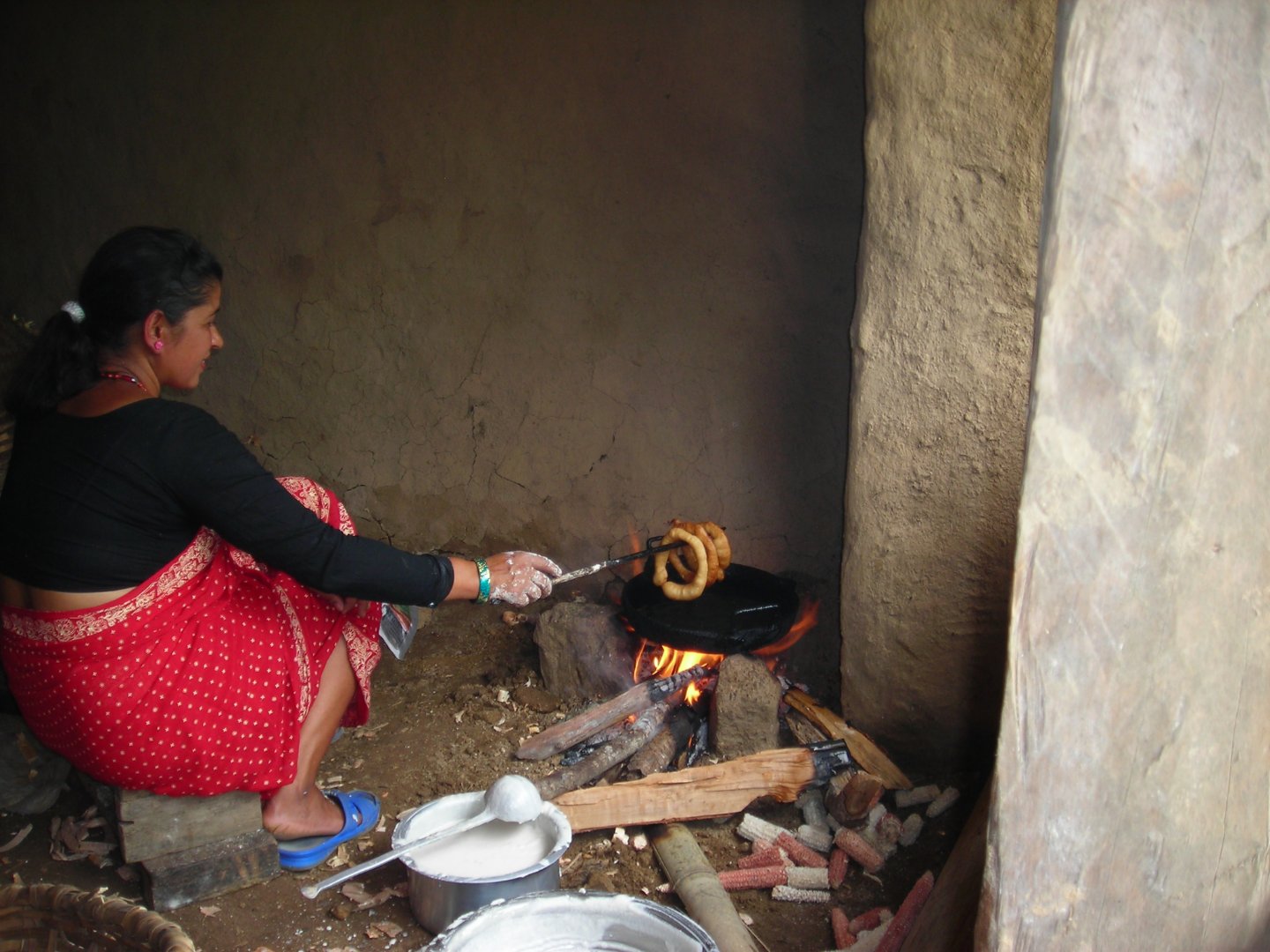
That's what a homestay in Nepal actually feels like. Not a hotel. Not a guesthouse. A real family's home, with real food, real conversations, and real memories that stick around long after you've unpacked your bags.
This guide covers everything you need to plan your stay:
Where to go based on your travel style?
What to expect inside a Nepali home?
How to be a good guest (the cultural stuff that really matters)?
How to book safely without getting ripped off?
Let's start from the beginning.
Where in Nepal Can You Actually Stay in a Homestay?
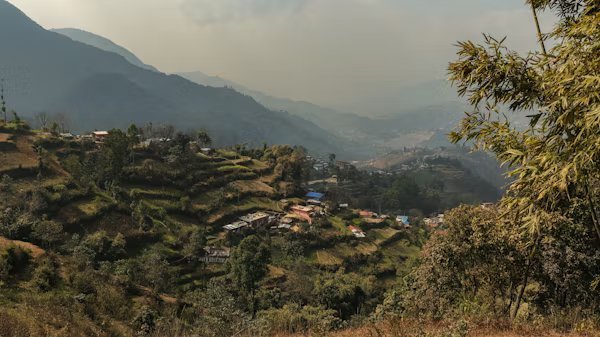
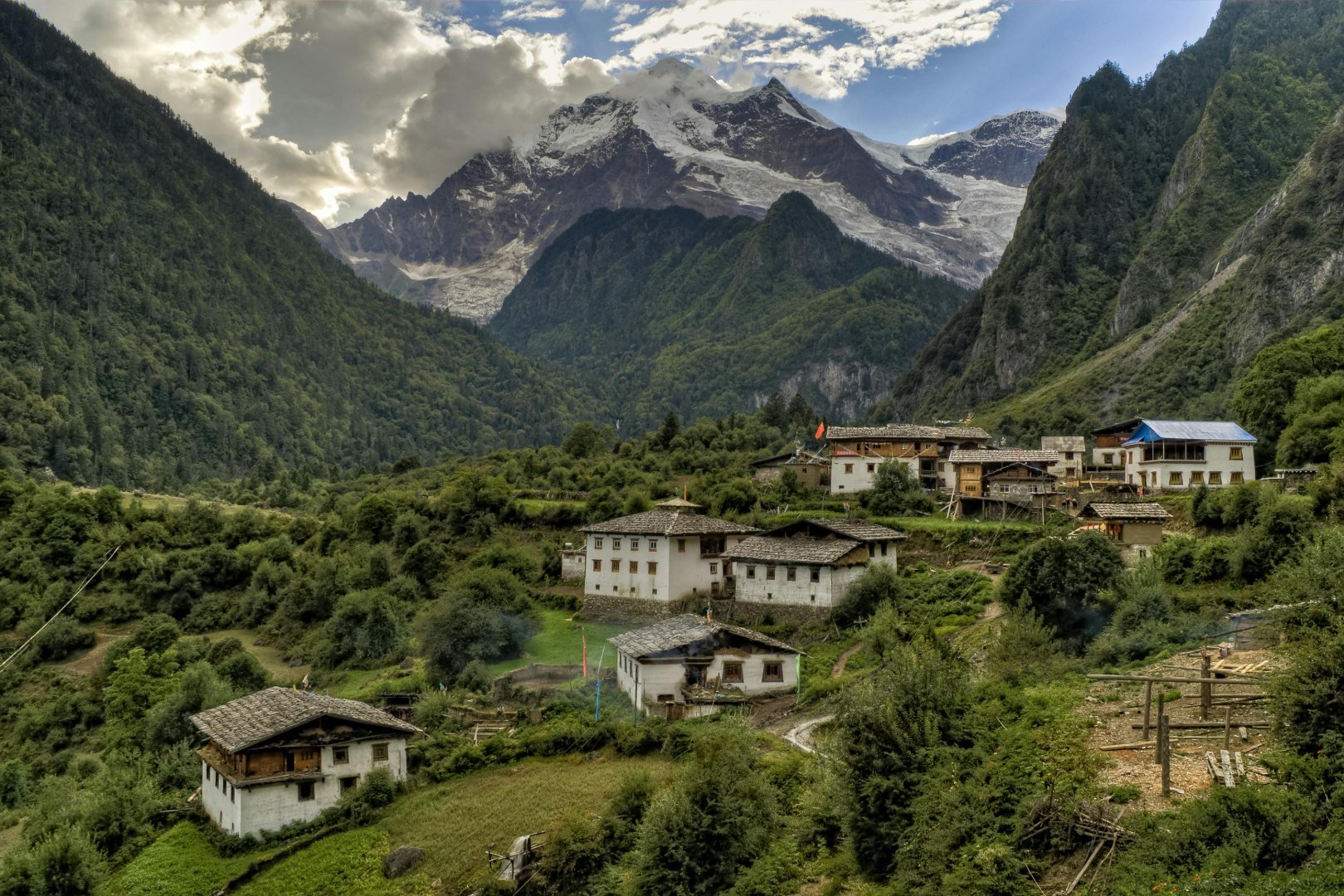
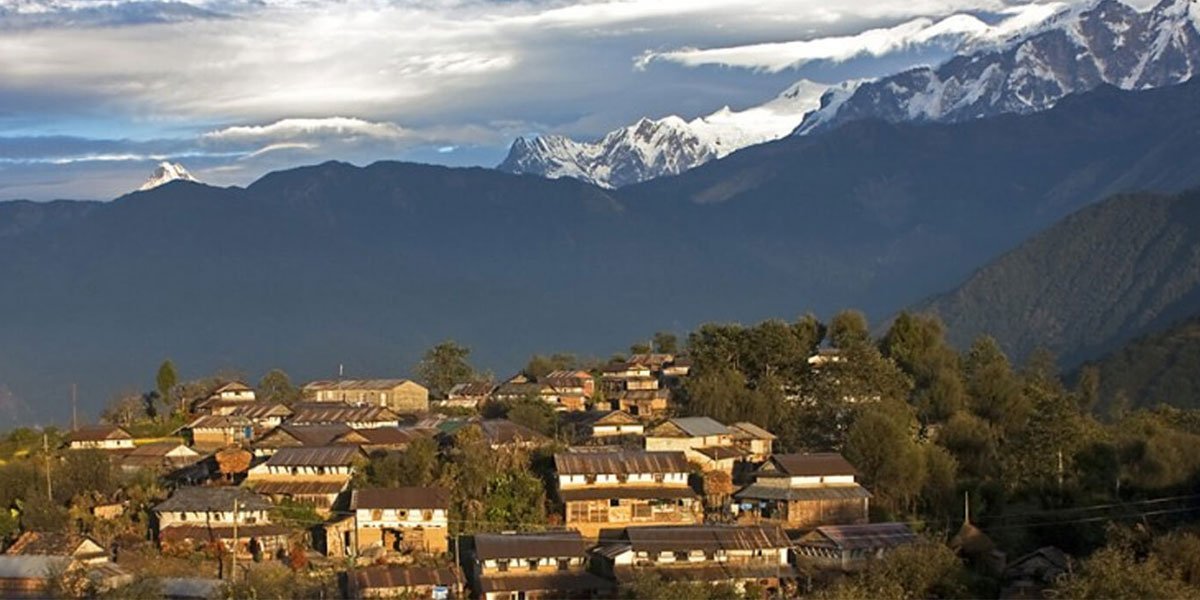
Nepal isn't just Kathmandu and Everest Base Camp. The country stretches from steamy jungle lowlands to high-altitude Himalayan villages and you can find homestays in almost every corner.
Here's a quick look at the main areas:
Pro tip: If you want zero crowds and maximum authenticity, look east. Places like Dhankuta and Sipting are still brand new to tourism. You might be the second group a local guide has ever led.
What Daily Life Looks Like Inside a Nepali Homestay
This is the part most travel guides skip. Here's what actually happens.
Sleeping Arrangements
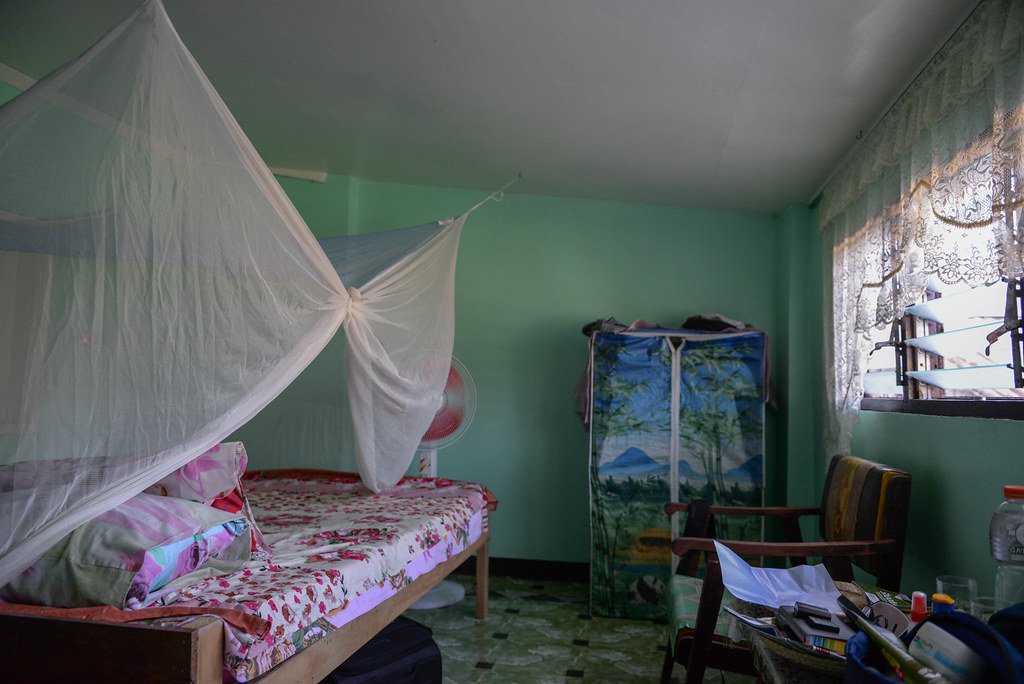
Private rooms aren't always available. In smaller homestays, you might share a room or sleep in a common area. It sounds uncomfortable, but it usually isn't. It just puts you closer to how people actually live.
Food and Meals
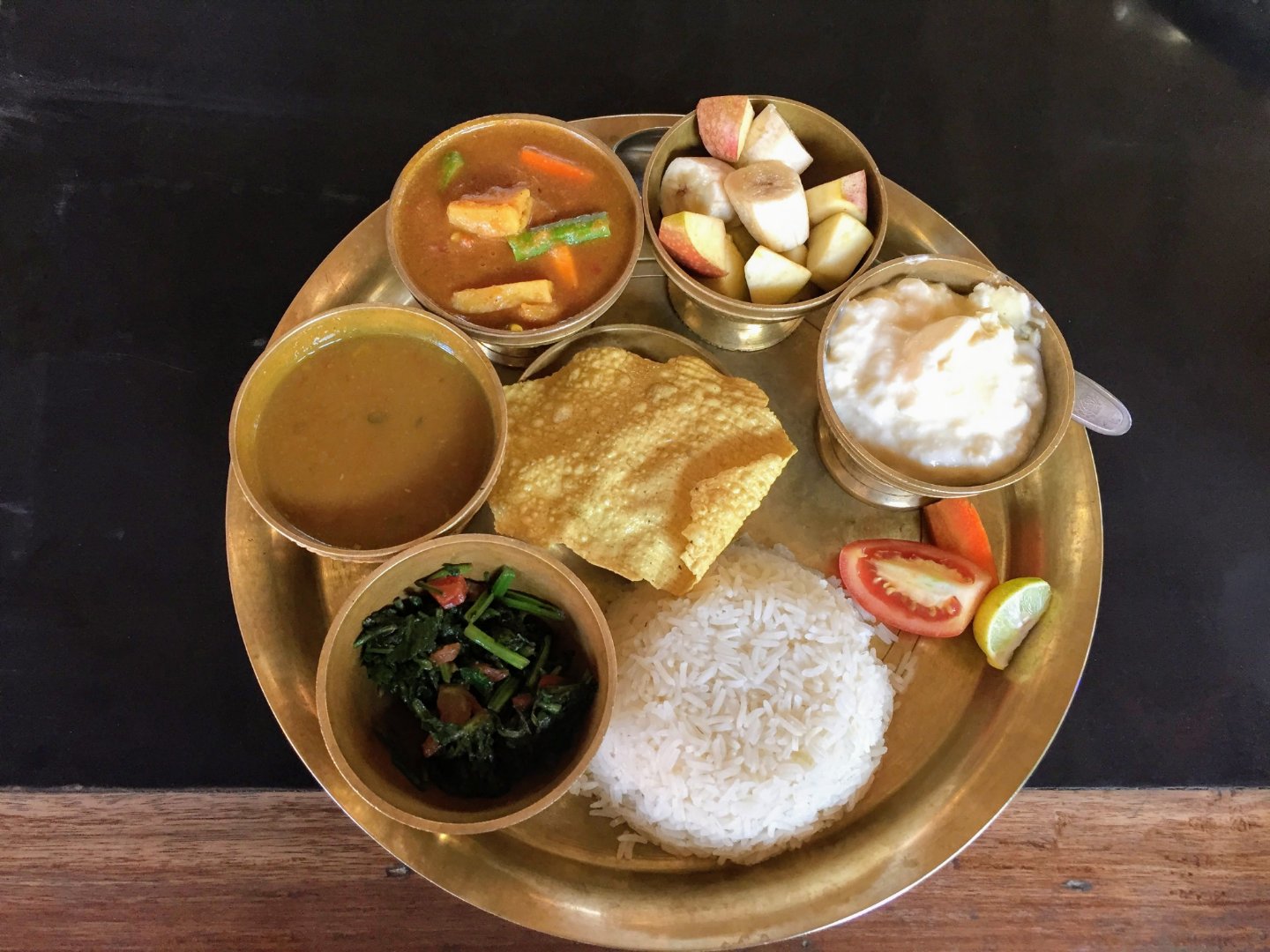
There's no menu here. You eat what the family eats, which is usually dal bhat, rice, lentil soup, and vegetables, twice a day. It's simple and filling, and most of it is grown nearby. Don't expect variety. Expect something better.
Bathrooms and Hot Water
In rural areas, expect a squat toilet and a bucket shower. Places closer to cities usually have regular bathrooms. Cold water is normal, but your host will heat water for you if you ask.
Power and WiFi
Electricity can be unreliable in remote villages, and WiFi is hard to find outside Pokhara and Kathmandu. It sounds like a problem, but it's actually what makes the experience feel real. Lean into it.
Downtime
Your hosts have their own lives. They farm, cook, and look after animals. You won't be kept busy every minute, and that's the whole point. Bring a book, chat with the kids, or help out in the kitchen.
The Cultural Side: Traditions, Festivals, and Things Worth Knowing
Nepal is extraordinarily diverse. The country has over 100 ethnic groups, each with their own customs, food, and festivals. A homestay isn't just accommodation. It's a front-row seat to this living culture.
Things You Might Experience
Cooking classes: Learn to make momos (dumplings), sel roti (sweet fried bread), or Newari khaja (traditional snack set)
Festival visits: If your timing is right, you could catch Tihar (festival of lights), Holi, Teej, or local harvest celebrations
Craft workshops: Tharu henna art in Bardiya, bamboo weaving in Kirtipur, or thaili (coin purse) making in Panauti
Farm work: Planting rice in summer, picking oranges in Dhankuta, or feeding animals at sunrise
The Tharu Community in Bardiya
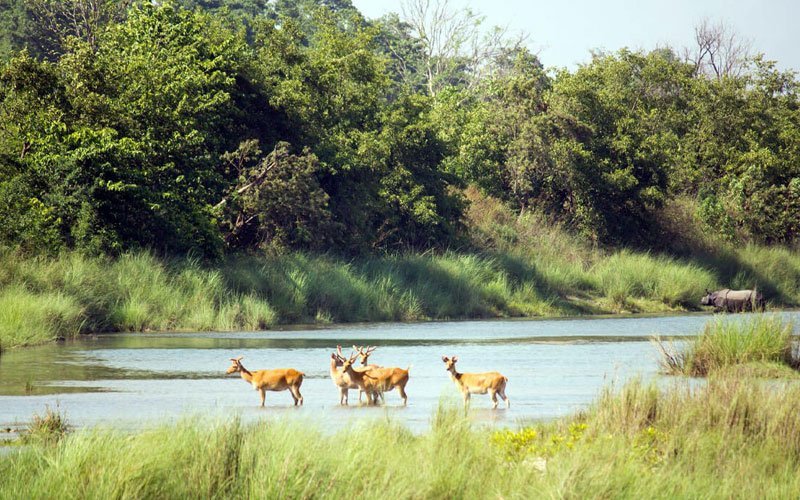
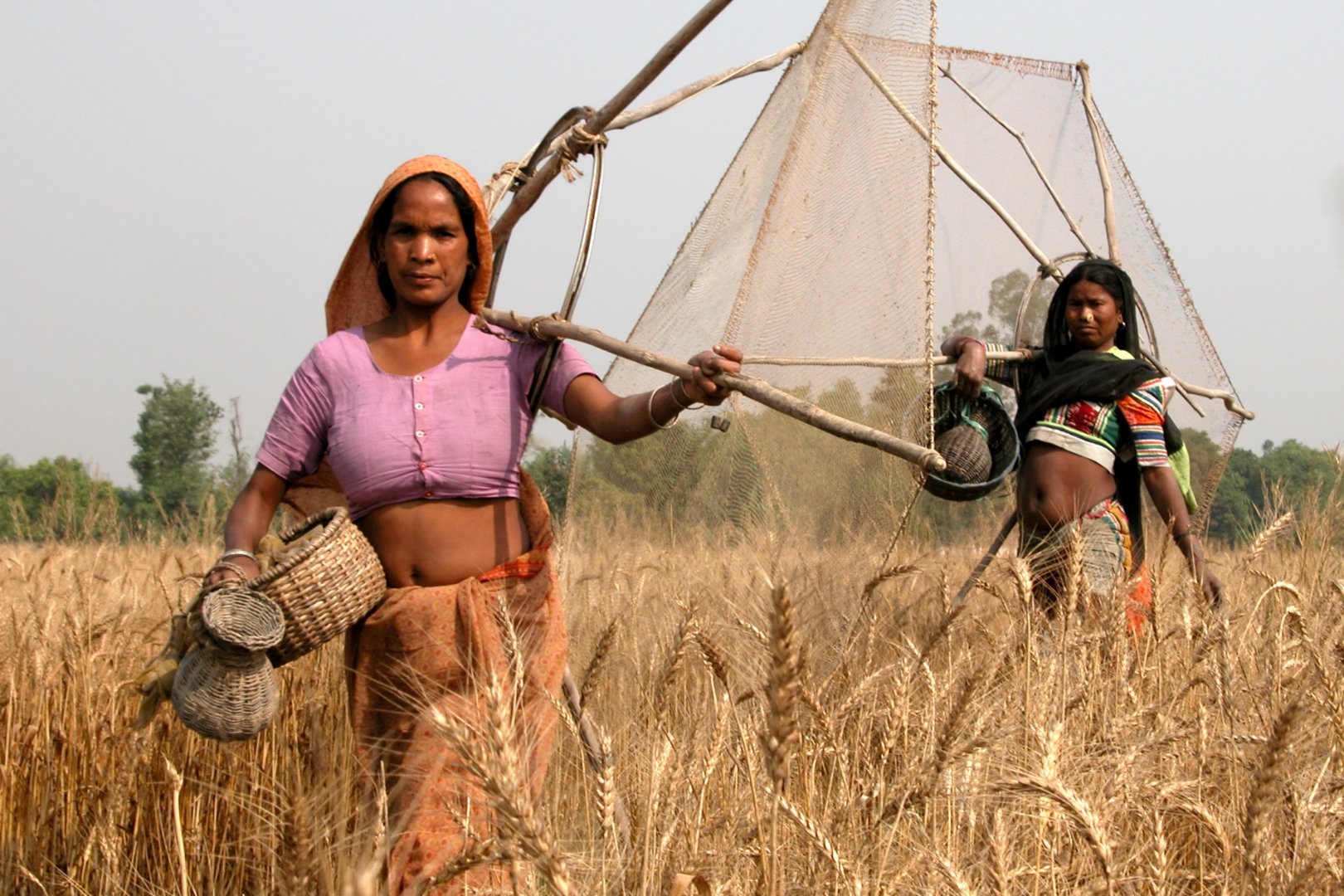
The Tharu people of western Nepal have one of the most unique cultures in South Asia. Their language, food, and traditions blend North Indian and hill Nepali influences in ways that feel completely their own. A homestay near Bardiya National Park puts you inside this culture, with jungle walks, wildlife spotting, and Tharu dance performances included.
Newari Culture in Kathmandu Valley
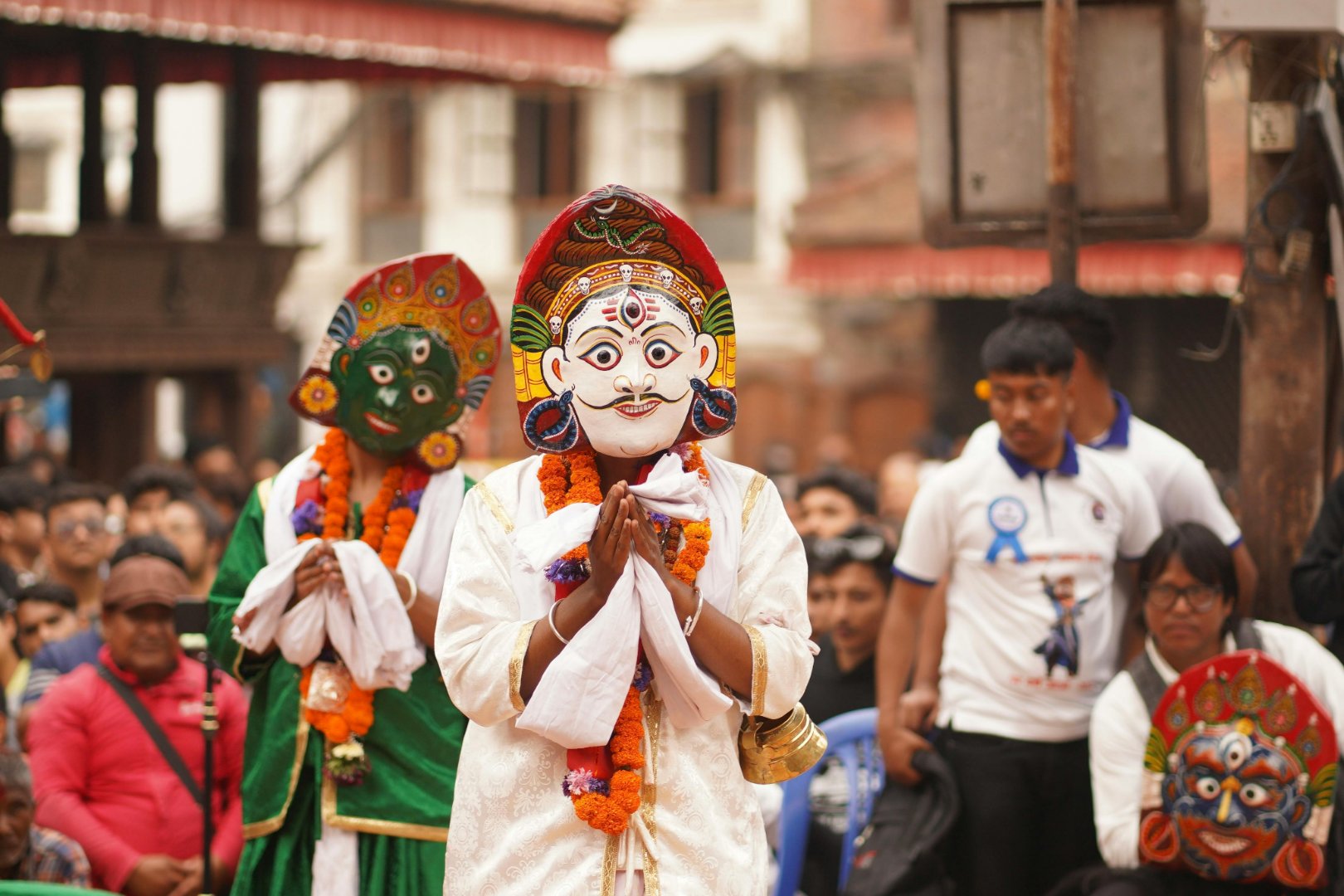
The Newars are the original inhabitants of the Kathmandu Valley. Their food alone is worth a visit. Nothing else in Nepal tastes quite like a proper Newari feast. Panauti and Kirtipur both offer community homestays where hosts teach you about Ranjana Lipi (an ancient script) and prepare traditional dinners in mud-walled courtyards.
Why Staying in a Homestay Actually Matters
This isn't just marketing talk. The economic case for choosing a homestay over a hotel is real and measurable.
According to Krishna Chaudhary of the Homestay Federation of Nepal, as of 2022, there were around 6,500 registered homestays across 1,500 villages in the country.
Over 1,500 institutional homestays, both registered and unregistered, are currently operating in 70 districts, involving roughly 15,000 households.
Many of these are run by women. In rural Nepal, it's traditional for women to stay at home while male family members go to work in fields or migrate to larger cities in search of income. Homestay hosting provides a means for women to make money from home, and the presence of homestays also creates adjacent economic opportunities, ranging from driving to guiding.
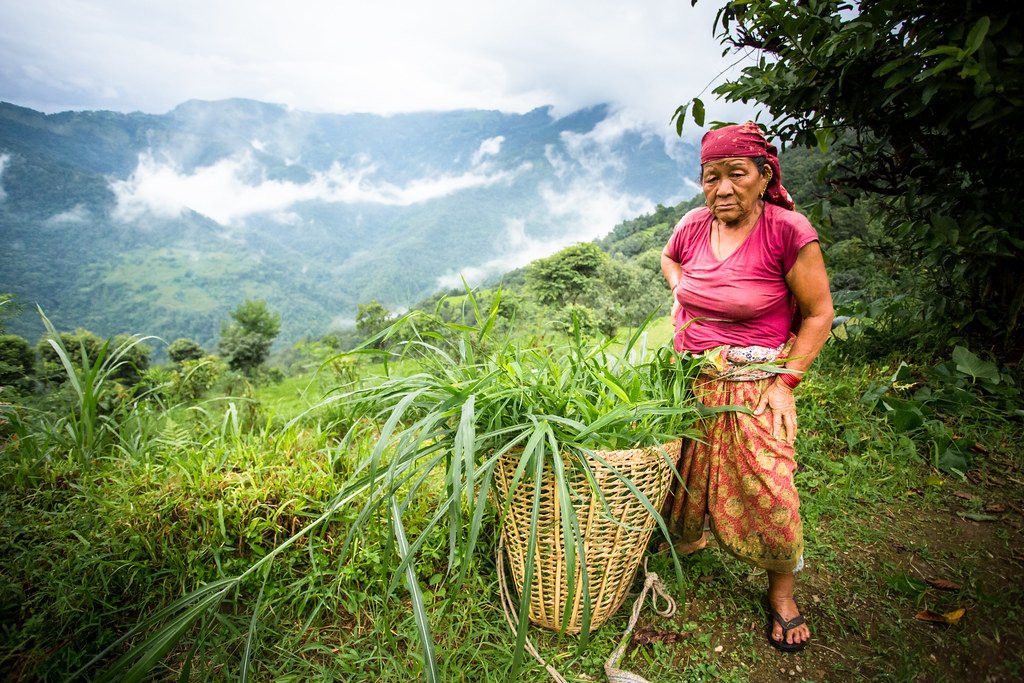
With proceeds from one group cooking class, a host can run her household for six months. That's the scale of difference your booking makes.
When you stay at a big tourist hotel, your money mostly leaves the local economy. When you stay with a family, it stays, paying for school fees, healthcare, and community infrastructure.
How to Book a Homestay in Nepal Without Getting Scammed
Not every "homestay" listed online is the real thing. Some are small hotels with homestay branding. Others charge high commissions that eat into what the family actually earns.
Trusted Ways to Book
Nepal Homestays is the best place to start. It lists verified family homes across Nepal, with clear pricing and direct contact details so your money reaches the host without a middleman taking a cut.
Direct referrals are the other reliable route. Ask your trekking agency, a local tour guide, or even your hotel at the start of your trip to recommend a family they personally know. This often gets you the most authentic experience, and the family you stay with will already have a trusted relationship with whoever referred you.
What to Watch For
Some listings say "homestay" but are actually owned or managed by corporate travel companies. They take a big commission and the family gets very little of what you paid.
If a listing looks too polished or reads like a hotel profile, it is probably not a real homestay. Real homestays have clean beds and good food, but not hotel-style finishes.
The best way to make sure your money reaches the family is to book directly with them or through a platform that clearly shows how much the family earns.
Expect to pay $10 to $30 per night including meals. Some rural homestays cost even less. Anything above $40 starts to feel like a guesthouse rather than a family home.
Your Safety, Comfort, and Real-World Preparation
Nepal is generally a very safe country for travelers and stands out as one of the safest and most enriching destinations in Asia. But like any travel, it pays to be prepared.
Health Basics
Drink filtered or boiled water only and ask your host before drinking anything from the tap.
Bring a small first-aid kit, diarrhea medication, and any personal prescriptions.
Food from homestays is typically safer than street food since it's freshly cooked for you.
Travel insurance is essential, make sure yours covers trekking if you plan to hike.
Altitude (If You're Going High)
Some homestay villages sit above 2,000 meters. Altitude sickness is real. Ascend slowly, drink water, and don't push through headaches. If a village is above 3,000m, give yourself an acclimatization day.
What to Pack
Cultural Do's and Don'ts
Do: Remove shoes before entering. Accept food with both hands or your right hand. Ask before taking photos of people or religious objects.
Don't: Enter the kitchen without being invited. Touch a Hindu shrine if you're not Hindu. Point the soles of your feet at people or shrines. Raise your voice or show frustration publicly.
The golden rule: watch what your hosts do, and follow their lead.
City Bases and Side Trips Worth Planning Around
If you're building a Nepal trip around homestay experiences, these are the best urban anchors with easy homestay access nearby.
Kathmandu is your entry point. Use it for acclimatization, then hop to Panauti (45 min away) or Kirtipur (30 min) for community homestays without losing city access.
Pokhara is the most relaxed city in Nepal. Golden Peak Homestays are just 30 minutes from the tourist center and feel like a completely different world.
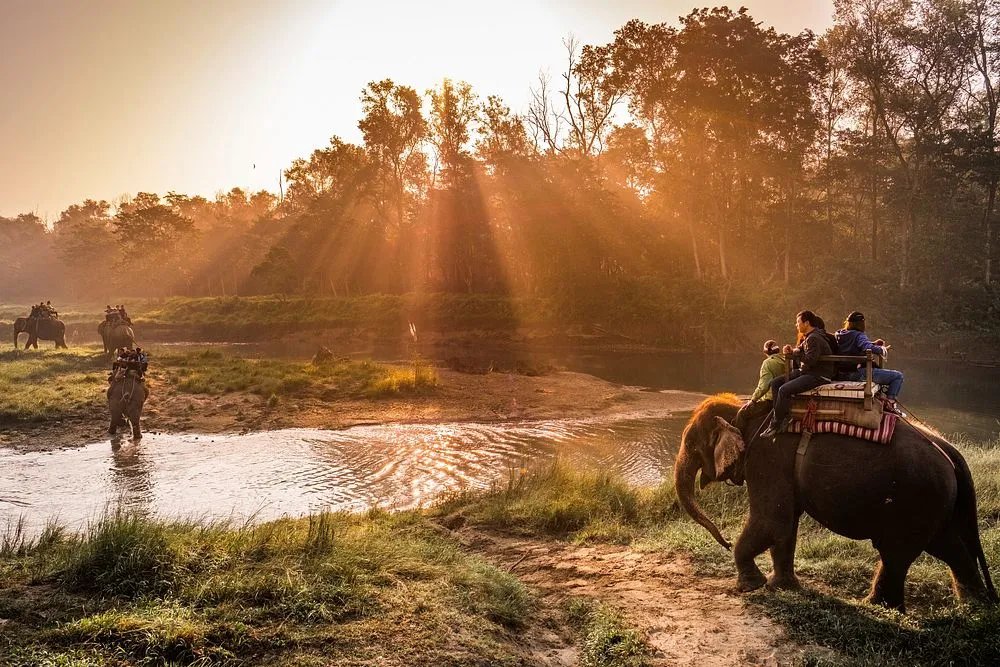
Chitwan is a good base to explore Tharu communities and jungle-edge homestays. Bardiya is further west but even more raw and rewarding.
Dhankuta is a small city in eastern Nepal that is quickly becoming a sustainable tourism model. The orange-painted old town is unlike anything else in the country, and the community homestays there are some of the newest and most welcoming in the region.
Sample Itineraries for Different Travel Styles
You don't need two weeks to have a meaningful homestay experience. Here are three ways to build your trip.
Weekend Escape (3 Days)
Day 1: Arrive Kathmandu, wander Thamel
Days 2 to 3: Panauti or Kirtipur community homestay, cooking class, temple walk, traditional dinner
The Cultural Deep Dive (7 to 10 Days)
Days 1 to 2: Kathmandu sightseeing
Days 3 to 5: Pokhara + Begnas Lake homestay
Days 6 to 10: Chitwan / Bardiya Tharu homestay + wildlife safari
Off the Beaten Path (10 to 14 Days)
Days 1 to 2: Kathmandu
Days 3 to 5: Panauti community homestay
Days 6 to 9: Fly to Biratnagar, road to Dhankuta, eastern Nepal's rising star
Days 10 to 14: Pokhara for a lakeside finish
Traveling With Purpose: Who This Is For and Who It Welcomes
Nepal's homestay network has grown a lot. It's no longer just for young backpackers. There's something here for almost every type of traveler.
Solo Travelers
Staying with a family gives you warmth and safety that hotels simply can't. Many travelers end up staying in touch with their hosts long after the trip.
Couples and Families
Homestays work well for families with kids. Children tend to connect with local kids quickly and naturally, and most host families genuinely enjoy having young guests around.
Older Travelers
Ask about bathrooms and mobility before you book. Homestays in Kathmandu Valley and Pokhara tend to be more accessible. Remote mountain villages are usually harder to get around in.
LGBTQ+ Travelers
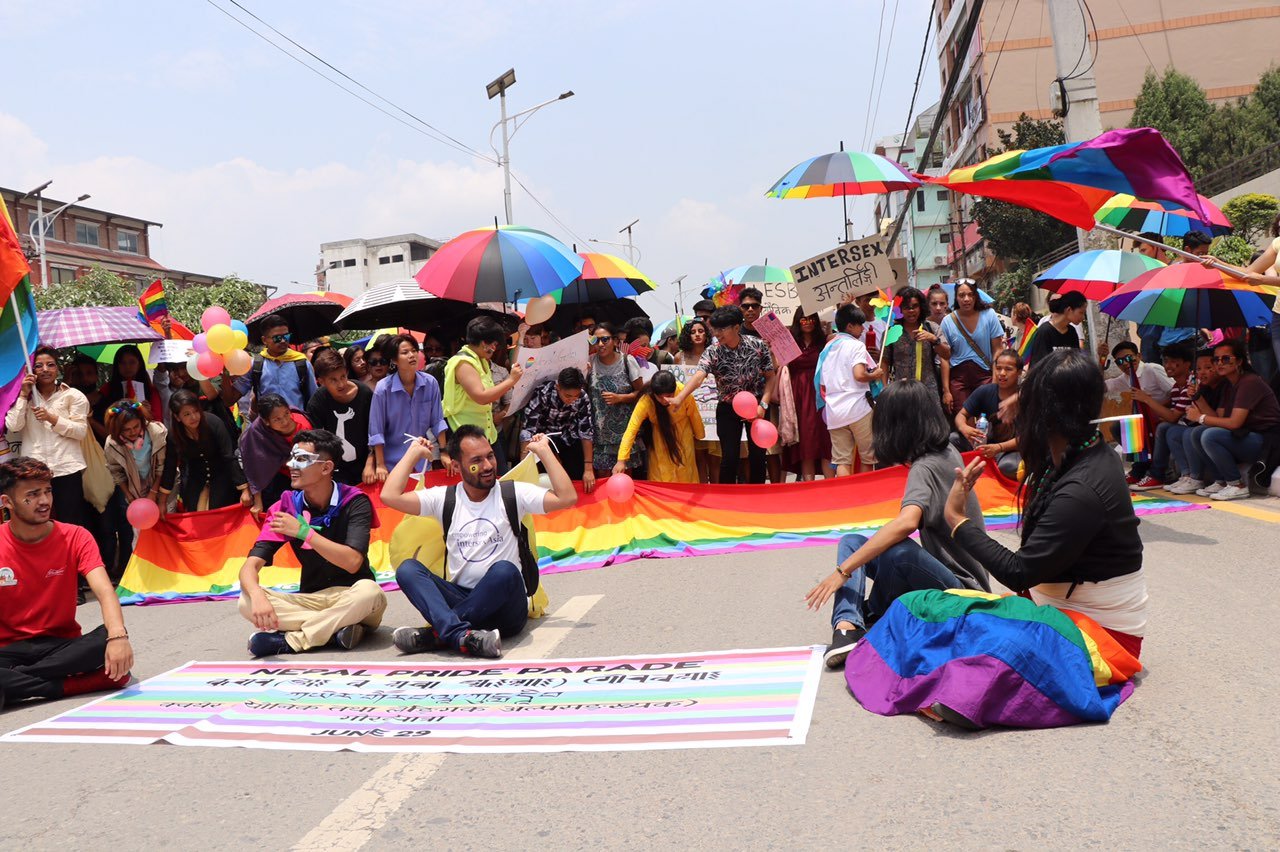
Nepal is fairly open compared to most South Asian countries, and Kathmandu has a visible LGBTQ+ community. Rural areas are more traditional, so use your judgment about what you share, just as you would in any conservative setting.
Travelers with Dietary Needs
Vegetarian food is easy to find everywhere. Vegan is possible but mention it when you book. Halal can be arranged in some areas. Whatever your needs are, just let your host know ahead of time.
Final Thoughts
A homestay in Nepal isn't about giving things up. It's about getting something most travel never gives you.
A home-cooked breakfast. A grandmother who teaches you to fold momos and won't let you get it wrong. A quiet morning by the kitchen window, watching the hills light up, and thinking, this is it.
Over 6,500 families are ready to host you. When you choose them over a hotel, you help keep their way of life alive.
Find your homestay at Nepal Homestays. Book directly. They're expecting you.
FAQ:
How much does a homestay in Nepal cost?
Most community homestays cost between $10 and $30 per night, including meals. Private homestays in cities like Kathmandu can run slightly higher.
Is it safe to stay in a homestay in Nepal as a solo female traveler?
Yes, and many travelers say it's safer than staying alone in a guesthouse. You're part of a family's home, not an anonymous hotel room. Community-run homestays especially have good structures in place.
Do I need to speak Nepali?
No. Most hosts in registered homestays have some English. That said, learning a few phrases like namaste (hello/respect), dhanyabad (thank you), and mitho cha (it's delicious) will earn you enormous warmth.
What's the best time of year to visit Nepal for a homestay?
October to November (post-monsoon) and March to April (pre-monsoon) are the best windows. Clear skies, mild temperatures, and many festivals fall in these months.
Can I volunteer at a homestay instead of paying?
Some homestays near Kathmandu, like Sneha's Care animal sanctuary in Lalitpur, offer volunteer stays at very low cost. For most community homestays, paying is the contribution. That's the whole model.
Will I have WiFi and electricity?
In cities and popular trekking regions, yes. In rural village homestays, expect limited or no WiFi and occasional power cuts. Power banks are essential.
If you’re comparing Nepal’s seasons with other destinations or planning a multi-country trip, talktravel can help you map weather windows and travel timing alongside your Nepal homestay plan.
Company Admin
Travel writer sharing authentic stories and experiences from Nepal's beautiful homestays.