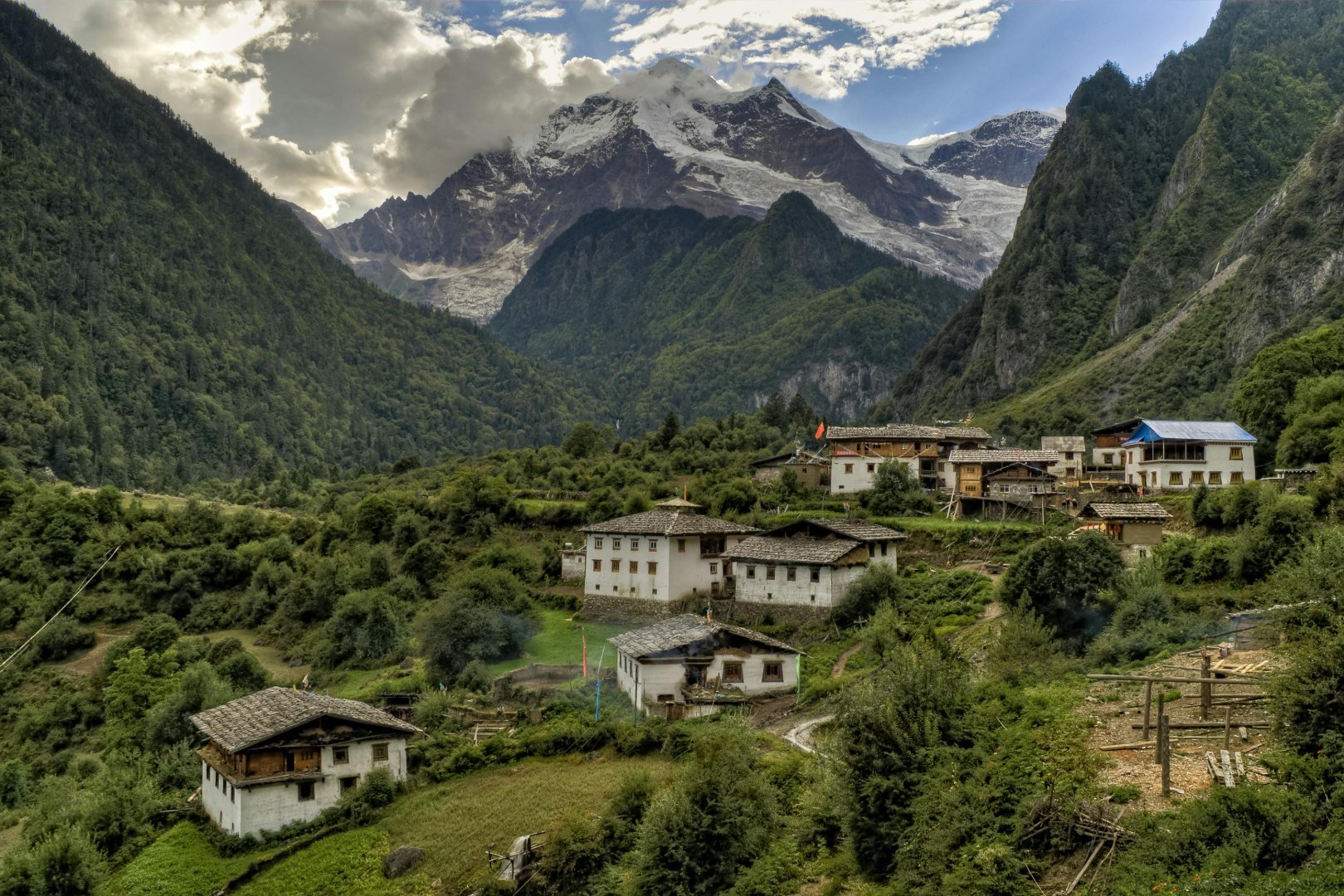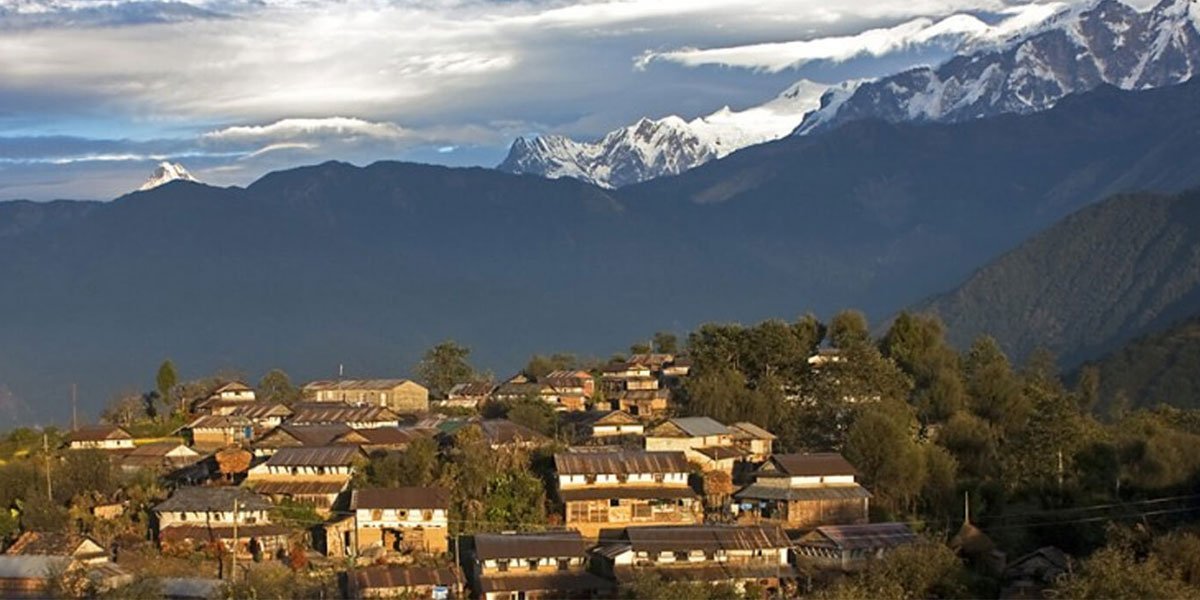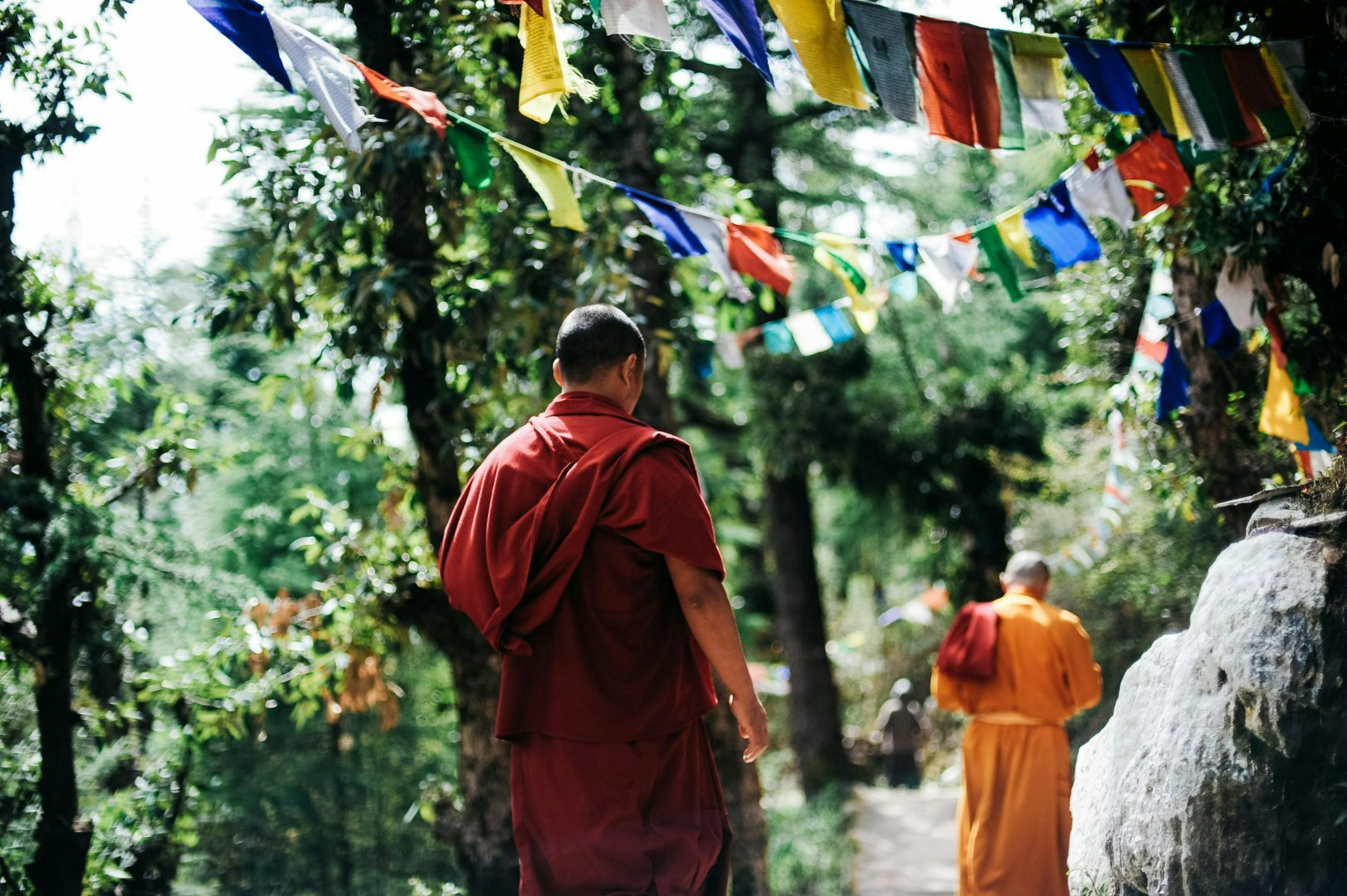
By staying in local homes, travelers learn Nepali traditions quietly through daily life. Homestays allow guests to understand respect, food, family roles, and community values in ways that feel natural and deeply meaningful.
Travelers often think that learning about culture requires museums, guides, or special programs. In Nepal, culture is not something that needs to be explained in detail. It is lived every day inside homes, villages, and communities.
Homestays place guests inside this living culture. By staying with local families, travelers learn traditions naturally, without lessons or performances. These lessons come quietly, through observation, shared routines, and daily interaction.
When guests choose homestays, they do not just stay somewhere. They learn how people live, think, and relate to each other in ways that feel real and meaningful.
Traditions Are Part of Daily Life, Not Special Events
In Nepal, traditions are not limited to festivals or ceremonies. They are part of everyday life.
Guests staying in homestays begin to notice:
How people greet each other
How elders are spoken to
How meals are shared
How mornings and evenings are structured
These customs are not taught directly. Guests learn by being present.
Travelers who stay only in hotels often miss these small but important details. Homestays allow guests to experience traditions as they happen naturally, without explanation or performance.
Learning Respect Through Everyday Interaction
One of the first things guests notice in homestays is the importance of respect. Respect shapes relationships within families and communities.
Guests learn respect by observing:
How younger family members speak to elders
How guests are offered the best seat or first serving
How people listen before responding
How patience is valued over speed
These lessons are subtle but powerful. Guests begin to understand that respect is shown through actions, not words.
Homestays gently guide visitors to adapt, helping them understand local values without making them feel uncomfortable or judged.
Food Traditions Learned at the Table
Food is one of the strongest ways traditions are passed down in Nepal. In homestays, guests eat what the family eats, prepared in the same way it always has been.
Meals usually involve:
Seasonal ingredients
Simple cooking methods
Shared eating spaces
Guests learn when meals are eaten, how food is served, and how sharing works. They notice that meals are not rushed and that conversation matters as much as eating.
Through these shared meals, guests begin to understand traditional Nepali food as part of daily family life, not as a special experience created for visitors.
Understanding Family Structure and Roles
Homestays reveal how families work together.
Guests notice:
Who cooks and when
How responsibilities are shared
How children and elders are cared for
How decisions are made collectively
These observations help guests understand family structure without being told directly. Traditions related to family roles become clear simply by living inside the household.
Travelers who skip homestays often miss this insight into how Nepali families function day to day.
Traditions Shaped by Nature and Seasons
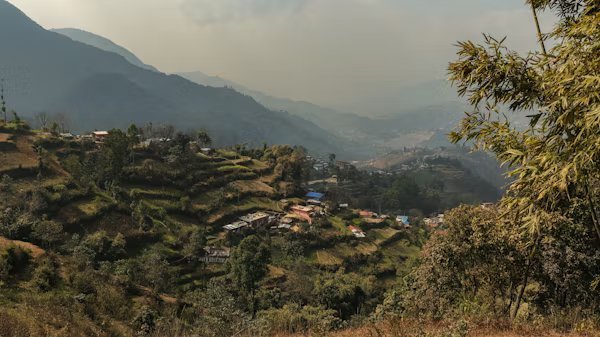
In many Nepali villages, traditions are closely linked to nature. Daily routines change with the seasons, weather, and farming cycles.
Guests staying in homestays learn:
Why certain foods are eaten in specific seasons
Why work starts early in some months
How festivals align with harvest times
How weather affects daily plans
These connections help guests understand that traditions are not random. They are shaped by land, climate, and survival.
This understanding comes naturally when guests live close to nature, as they do in homestays.
Learning Through Observation, Not Instruction
One of the most meaningful aspects of homestays is how learning happens without effort.
Guests are not given schedules or explanations. Instead, they:
Watch and learn
Ask questions naturally
Participate when invited
This creates a relaxed learning environment. Guests feel free to observe without pressure, which makes understanding deeper and more personal.
Many travelers later realize that they learned more this way than they ever could through formal tours.
Traditions of Hospitality
Hospitality itself is one of Nepal’s strongest traditions.
Guests in homestays experience:
Warm welcomes
Offers of tea or food without hesitation
Genuine concern for comfort
Hosts adjusting routines to help guests
This hospitality is not practiced as a service. It is part of social values passed down through generations.
Staying in a homestay allows guests to understand how Nepali hospitality makes visitors feel like part of the home, rather than temporary outsiders.
Community Traditions Beyond the Home
Homestays also introduce guests to community traditions.
Neighbors may visit casually. Guests may be invited to small gatherings, local events, or shared work.
Through this, guests see:
How communities support each other
How traditions extend beyond individual households
How shared responsibility shapes village life
These community interactions are rarely accessible through hotels or guided tours.
Learning What Is Not Written Anywhere
Some traditions are never written down or explained. They are understood through practice.
Guests learn:
When to speak and when to listen
How to behave in shared spaces
How to show gratitude
How to adapt quietly
These unwritten rules shape daily life. Homestays allow guests to learn them gently, without feeling overwhelmed.
Why These Lessons Matter
The traditions guests learn in homestays help them:
Travel with greater respect
Understand local perspectives
Reflect on their own habits
Build empathy and patience
These lessons stay with travelers long after the trip ends.
Homestays do not teach traditions in a formal way. They allow guests to live them, even briefly.
Why Homestays Are Ideal for Cultural Learning
Homestays work well for cultural learning because they are based on trust, openness, and time.
Guests are not rushed. Hosts do not perform. Life continues as usual.
This creates an environment where traditions are shared honestly, not staged.
Understanding how homestays support cultural exchange through everyday life helps travelers see why these stays are so meaningful.
Traveling With Openness Makes the Difference
Guests who benefit most from homestays arrive with curiosity and patience.
Simple actions help:
Observing before acting
Asking questions respectfully
Accepting differences calmly
This openness allows traditions to be shared naturally, without tension.
What Guests Take Home With Them
Guests often leave homestays with:
New perspectives
Deeper cultural understanding
Appreciation for simplicity
Personal memories and connections
These are lessons that cannot be packed into itineraries or schedules.
They are learned quietly, through daily life.
Plan a Cultural Stay with Nepal Homestays
If you want to learn about Nepal beyond surface experiences, homestays offer a meaningful path into local traditions and daily life.
Through Nepal Homestays, travelers can find trusted family-run and community homestays across Nepal, making it easier to experience culture in a respectful and natural way.
Travel gently.
Learn quietly.
Experience Nepal through its homes.
Frequently Asked Questions
1. What kind of traditions do guests learn in homestays?
Guests learn everyday traditions related to food, family life, respect, hospitality, and community interaction.
2. Do guests need cultural knowledge before staying in a homestay?
No. Homestays allow guests to learn naturally through observation and interaction.
3. Are homestays suitable for first-time visitors to Nepal?
Yes, homestays are welcoming and suitable for first-time visitors who want cultural understanding in a safe environment.
4. Will guests be expected to participate in traditions?
Participation is usually optional. Guests are invited gently and can choose their comfort level.
5. How do homestays help preserve local traditions?
They encourage pride in daily practices and create value for traditions by sharing them respectfully with guests.
Company Admin
Travel writer sharing authentic stories and experiences from Nepal's beautiful homestays.