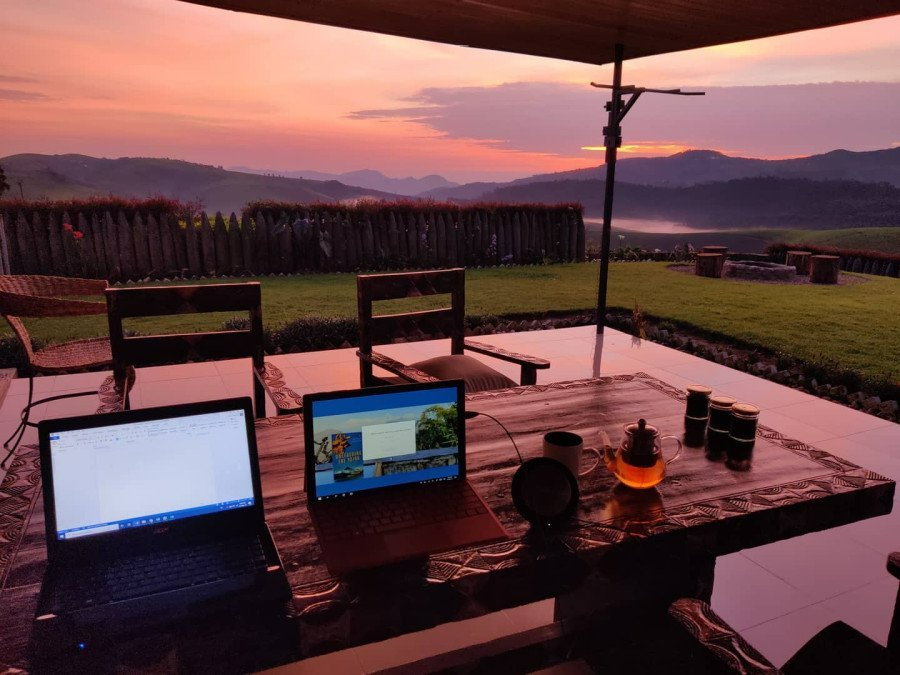
Working from a homestay in Nepal offers digital nomads a quieter and more meaningful way to live and work. This blog explores the real situation of internet, power, daily routines, and what remote workers should realistically expect.
Nepal is becoming an interesting destination for digital nomads who want more than cafés and coworking spaces. Many remote workers are now choosing homestays to experience local life while continuing their work online.
However, working from a homestay in Nepal is different from working in large cities or tech-focused destinations. The Internet, power supply, and daily routines follow a different rhythm. Understanding this reality helps digital nomads plan better and enjoy the experience without frustration.
Homestays in Nepal can work well for remote work, but only when expectations are realistic and flexible.
Why Digital Nomads Choose Homestays
Digital nomads are often drawn to homestays for reasons beyond work.
Many choose homestays because they offer:
Quiet environments away from busy cities
Lower living costs
Deeper cultural experiences
A slower, healthier daily routine
Homestays allow digital nomads to balance work with meaningful living. Instead of spending all day in cafés, they live alongside families and experience daily life in Nepal.
For those who value experience as much as productivity, homestays offer something unique.
Internet in Nepali Homestays: What to Expect
Internet access in homestays varies widely depending on location.
In towns and villages near cities, many homestays have:
Mobile data connections
Wi-Fi using local ISPs
Reasonably stable speeds for basic work
In more rural areas, internet may be:
Slower
Dependent on mobile networks
Affected by weather
Video calls, emails, writing, and light online work are usually possible in many areas. However, high-bandwidth tasks may not always be reliable.
Understanding how homestays work in Nepal and what facilities they usually offer helps digital nomads choose locations that suit their work needs.
Power Supply: Planning Around Reality
Power cuts are less common than before, but they still happen in some areas.
Homestays may experience:
Short power interruptions
Limited backup power
Scheduled or weather-related outages
Many families use:
Solar power
Battery backups
Inverters for basic lighting
Digital nomads are encouraged to:
Carry power banks
Plan work during daylight hours
Save work frequently
Rather than seeing power limits as problems, many remote workers adjust their schedules and work more efficiently within these boundaries.
Workspaces Inside Homestays
Homestays are homes first, not offices.
Workspaces are usually:
A table or desk in a bedroom
A shared sitting area
A quiet corner of the house
These spaces are simple but functional. Ergonomic chairs and large desks are rare, but quiet surroundings often make up for it.
Digital nomads who are comfortable with minimal setups often find it easier to focus than in noisy cafés.
Daily Routines and Work Balance
Homestays follow family routines. Meals are prepared at set times, mornings may start early, and evenings are usually calm.
Digital nomads begin to notice:
Early starts to the day
Quiet afternoons
Limited nightlife
Peaceful evenings
This rhythm can actually improve work-life balance. Many remote workers report better focus and healthier habits after adapting to local routines.
Understanding what real daily life feels like inside a Nepali homestay helps nomads align their work schedules with the household rhythm.
Internet Backup and Smart Planning
Experienced digital nomads plan for backup options.
Useful strategies include:
Buying a local SIM card with data
Using mobile hotspots
Scheduling important calls during stable hours
Informing clients about time zone differences
Flexibility is key. Homestays work best for digital nomads who can manage deadlines with some freedom.
Community and Human Connection
One major difference between working from a homestay and a hotel is human interaction.
Digital nomads in homestays experience:
Conversations during meals
Curiosity from host families
A sense of belonging
This human connection reduces isolation, which many remote workers struggle with.
Living in a homestay reminds nomads that work is only one part of life, not the center of it.
Cost of Living and Long Stays
Homestays are usually more affordable than hotels or serviced apartments.
They often include:
Accommodation
Home-cooked meals
Utilities
This makes them suitable for longer stays. Many digital nomads choose to stay weeks or months in one place, building routine and relationships.
For those watching their budget, homestays provide strong value without sacrificing experience.
Challenges Digital Nomads Should Accept
Working from a homestay is not perfect.
Common challenges include:
Unpredictable internet
Limited privacy at times
Fewer work-friendly cafés nearby
Cultural differences
Accepting these challenges as part of the experience makes a big difference. Nomads who expect city-level infrastructure may struggle, while those who value flexibility often thrive.
Who Homestays Are Best For
Homestays work best for digital nomads who:
Do writing, research, design, or consulting
Have flexible schedules
Value quiet environments
Enjoy cultural immersion
They may be less suitable for nomads who require constant high-speed internet or strict working hours.
Understanding how slow travel and living locally support remote work balance helps digital nomads decide if homestays are the right choice.
Respecting the Home While Working
Hosts are usually happy to support guests who work remotely, but respect is important.
Digital nomads should:
Keep work equipment organized
Respect shared spaces
Communicate work needs politely
Avoid disrupting family routines
Clear communication helps hosts understand schedules and expectations, creating a comfortable environment for everyone.
A Different Kind of Productivity
Many digital nomads discover that productivity changes in homestays.
Instead of long work hours, they experience:
Better focus
Less distraction
More intentional work
Productivity becomes balanced rather than intense. This shift often leads to healthier long-term work habits.
Why Homestays Are Worth Considering for Nomads
Homestays in Nepal offer:
Quiet work environments
Affordable long stays
Cultural connection
A grounded lifestyle
They are not designed for high-pressure work, but they are ideal for nomads seeking balance and meaning.
Plan a Remote Work Stay with Nepal Homestays
If you are a digital nomad looking for a quieter, more meaningful way to live and work in Nepal, homestays offer a realistic and rewarding option.
Through Nepal Homestays, remote workers can find trusted family-run and community homestays with clear information about location, connectivity, and living conditions.
Work calmly.
Live locally.
Experience Nepal through its homes.
Frequently Asked Questions
1. Is the internet reliable enough for remote work in Nepali homestays?
The Internet is generally suitable for emails, writing, and calls, but speed and stability depend on location.
2. Can digital nomads work full-time from homestays?
Yes, especially if work is flexible and does not require constant high-speed connectivity.
3. Are power cuts common in homestays?
Power cuts still occur in some areas, but many homes use solar or battery backups.
4. Do homestays provide private workspaces?
Workspaces are usually simple and shared, but quiet areas are often available.
5. Are homestays better than hotels for digital nomads?
Homestays are better for nomads seeking cultural connection and long stays, while hotels suit those needing full office-style facilities.
Company Admin
Travel writer sharing authentic stories and experiences from Nepal's beautiful homestays.