In 2024, Nepal welcomed more than a million visitors from around the world. Each person came with a dream to see the mountains, explore ancient temples, or experience the kindness of Nepali people. Before the journey begins, every traveler faces one simple question: where should you stay, in a hotel or a homestay?
The topic of Hotel vs Homestay in Nepal often creates confusion for travelers. A hotel offers comfort, privacy, and modern facilities. A homestay gives you culture, connection, and real local life. One gives you service, the other gives you stories.
Both choices have their charm, but the best option depends on what kind of experience you want from your trip. Let’s explore both and find out which one is better for you.
What is a homestay?
A homestay means staying at a local family’s home instead of a hotel. You sleep at a local's home, eat home cooked meals, what the family eats, and live like a local. The family cooks meals for you and you can join too. They join you in their daily life from cattling, picking vegetables from the garden, to celebrating festivals together.
Homestays are more than just a place to stay but a place to connect to the locals and live a real nepali life. They are simple, clean and cozy rooms with basic facilities. You may have internet issues or might face electricity issues in a homestay but what you get in return is pure local experience and human connection.
Many homestays in Nepal focus on sustainability. The food is homegrown and the money you spend supports the local family directly or your little support can help to bring a library or a school in the village. Many homestays are run by women and cooperatives, empowering locals through tourism while keeping local culture and traditions alive.
Many travellers say the memories they make in homestays stay with them long after the trip ends. It feels less like being a guest and more like being part of a family, even if just for a few days.
Types of Homestays in Nepal:
From cultural to community, there are different types of homestays that provide different experiences to the hosts. Some are local run family homestays whereas some are community organized homestays.
Here are few types of homestays in Nepal you can stay and feel local:
Village Homestays:
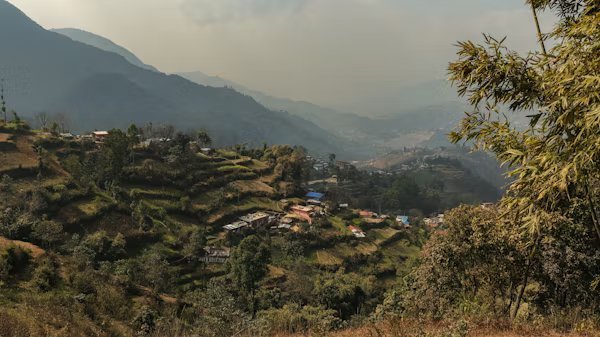
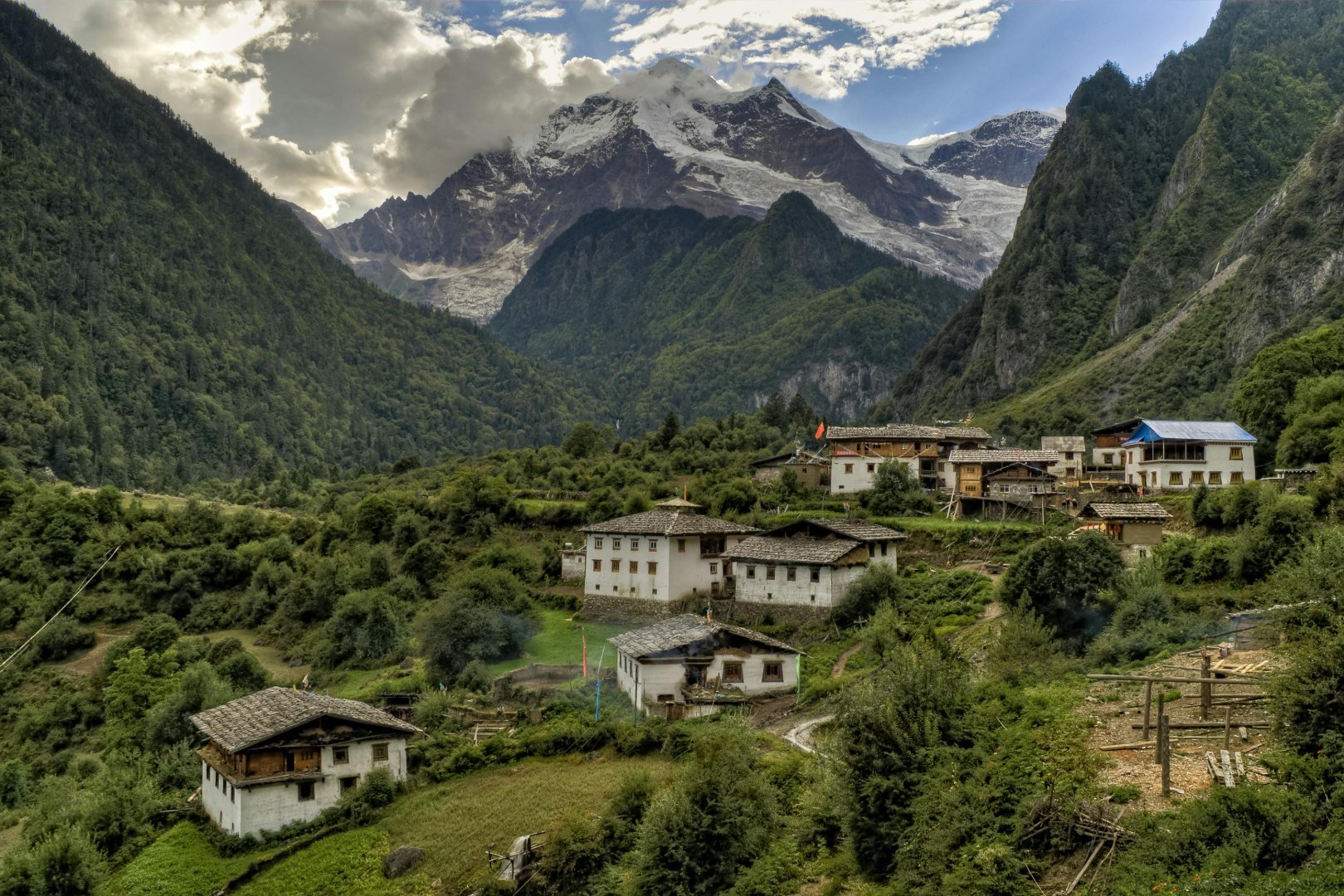
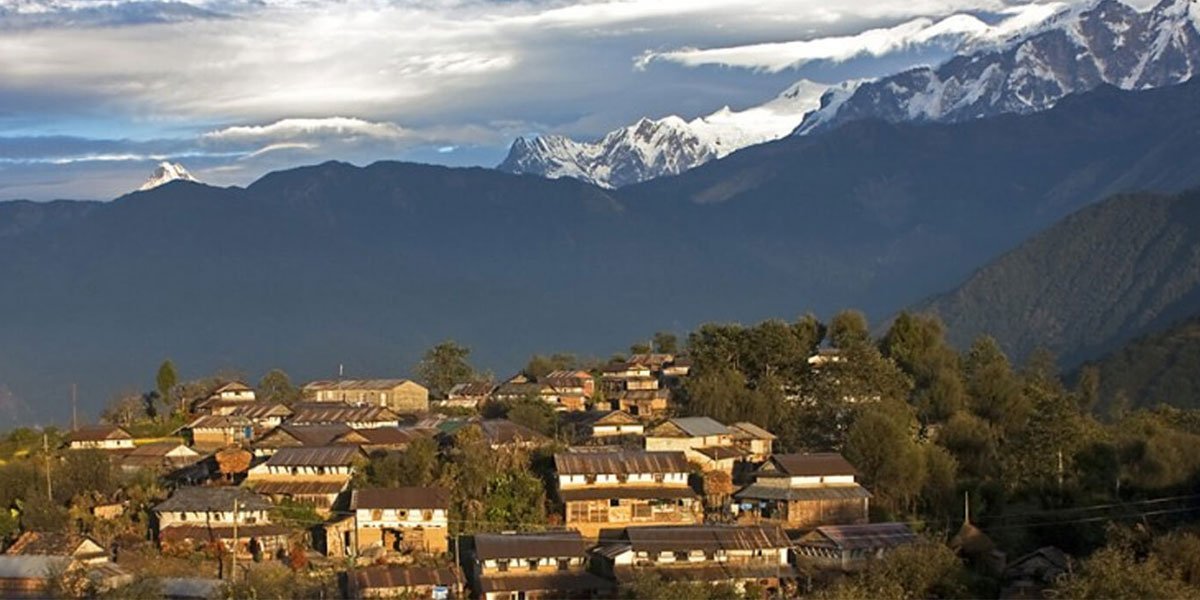
These are the most traditional types of homestays. You will find them in rural places like Ghandruk, Sirubari or Illam. Travelers stay with farming families, take part in daily life and enjoy home made meals. The rooms are simple yet the hospitality are unforgettable.
Community Managed Homestays:
In places like Ghale Gaun, Barpak and Panauti, the local community runs homestays together. They share the income and work to make sure tourism helps everyone earn. They manage cultural shows, local foods and local adventure for the guests.
Nature Homestays:
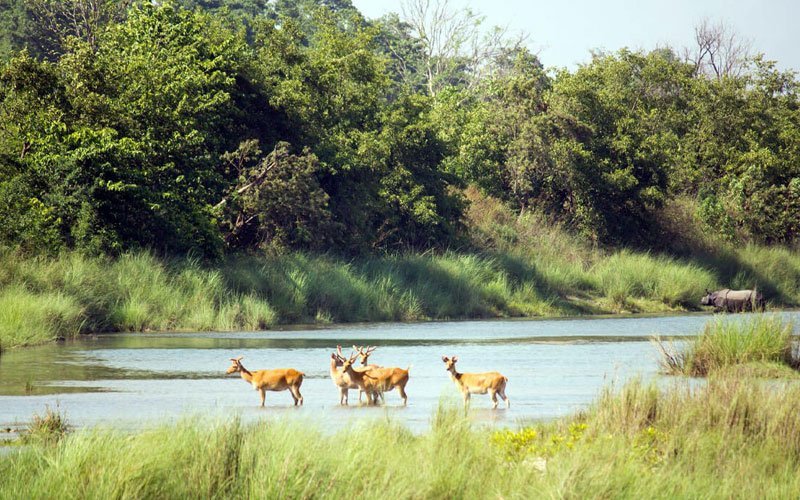
These homestays focus on nature and the environment. They often use solar power, serve organic meals and try to reduce waste. In places like Bandipur or Nuwakot, there are eco-friendly stays where guests can relax in a natural way while helping local conservation.
Urban Homestays:
In cities like Kathmandu and Pokhara, some families welcome travelers into their homes. These stays give you a mix of comfort and culture. Guests will get a clean room, Wi-Fi, and homemade nepali meals while still being close to city attractions.
Cultural Homestays:
These homestays focus on the traditions of specific ethnic groups such as Tharu, Gurung, Tamang or Newar communities. Guests can learn about local customs, taste traditional food, and join in festivals. Its a great way to see Nepal’s diversity up close.
What is a hotel?
Hotels are places made for travellers to rest and relax. You get your own room, private bathroom, clean beds and basic services. Some hotels are small family run guesthouses while others are big resorts with swimming pools and restaurants.
In popular areas like Kathmandu and Pokhara, you’ll find hotels for every budget, from low cost guesthouses to high end luxury service.
Hotels are ideal when you want privacy, comfort and convenience. Luxury hotels are mostly available in cities but not much in trek trials or mountains.
Types of Hotels in Nepal:
While homestays in Nepal offer a closer connection to local life, hotels provide a wide rande of options for travelers who prefer a bit of luxury. Here are few type of hotels where you can stay at:
Guesthouses:
These are preferred by travelers who want an affordable stay. Rooms are basic, often with private or shared bathrooms and some also offer Wi-Fi. There are plenty of guesthouses in areas like Thamel in Kathmandu, Lakeside in Pokhara or nearby bus stands in any cities of Nepal.
Mid-Range Hotels:
These hotels maintain a balance between comfort and price. They usually provide clean, comfortable rooms with basic facilities. Many families run such hotels in their own house and provide a general stay without showing over budget.
Luxury Hotels or Resorts:
For guests who like comfort and style, Nepal has many high quality hotels. Places like Dwarika’s Hotel in Kathmandu or Barahi Hotel in Pokhara are known for their beautiful design and calm surroundings. They offer high quality service but are little expensive compared to guesthouses and mid range hotels.
Boutique Hotel:
Boutique hotels are small, stylish and full of charm. They mix Nepali art and architecture with modern comfort. Travelers love them for their unique decor, good service and warm feel.
Why Choose a Homestay in Nepal
There can be a lot of reasons to choose a homestay in Nepal. From cultural reasons to affordability, here are few reasons we can choose homestay over hotels in Nepal:
Experience real local life:
You live with local families and see how they cook, farm, and celebrate festivals. You will eat meals together, join daily routines, or take part in festivals. It’s the best way to experience Nepali culture and know the real Nepal.
To support local communities:
The money you spend goes straight to the family hosting you, not large hotel owners. Every stay helps local people earn income and keep traditional homes alive. If you get a chance to donate a small amount for a local cause you can help build a library or a school in the village. Your stay directly helps local families improve their homes, education and community.
Affordable:
Homestays are usually cheaper than hotels, and most include home cooked meals made from fresh local ingredients. You save money and enjoy real Nepali food made with love.
To connect:
In a homestay, you’re treated like a guest, not a customer. The host will take you to walk nearby fields, teach you how to cook local foods, or invite you to join the family for tea by the fire and share stories about village life.
Closer to nature:
Many homestays are in peaceful villages surrounded by fields, hills, or forests. You can get to spend a few days in a simple lifestyle that feels refreshing and real.
Why stay in a hotel?
Comfort:
Hotels offer private rooms with bathrooms, clean bedding and quick services. You know what to expect and it's easy to relax after a long tiring day. Hotels are ideal if you want ease and good rest after a long trek before flying home.
Better service:
You will find people all around whenever you need help, any extra service. Staff are well trained to take care of travellers, so they can give proper hospitality and service.
Best choice in cities:
In places like Kathmandu, Pokhara or Birgunj hotels are available everywhere. You can book one online in minutes, check reviews and book what fits in your budget and comfort level.
Safety:
Hotels have a good level of security with emergency support. If someone is travelling late or alone, extra safety makes a big difference especially for tourists who are not much familiar with the place.
Drawbacks of Homestays & Hotels
In remote homestays, you might have to adapt to local ways, from bucket showers to squat toilets but these are all part of the adventure. On the other hand hotels might feel impersonal, where every room looks the same. Needless to say, both homestays and hotels have their respective drawbacks. Below are a few:
Homestays:
The host may not speak proper English and lack communication skills.
You will have less privacy compared to hotels.
Homestay might not have 24 hour electricity.
Hotels:
Hotels can be expensive.
Hotels lack the personal connection that homestays offer.
Less presence of hotels in trek trials or villages of Nepal.
Which one best fits you?
Choosing a stay depends on what kind of travel you prefer. If you want to learn about Nepali life, or on a small budget, planning to trek or stay in remote villages of Nepal, then you should stay at homestays. If you are travelling for business purpose, want comfort and privacy, staying in a city then you can stay at a hotel.
Many travellers choose both, a hotel stay in a city like Pokhara or Kathmandu while staying at a local homestays in villages or trek. I believe this is the best way, you can get comfort and experience local culture both side by side.
If you are planning for ABC trek, you can start the journey by spending nights at a comfortable hotel in Pokhara to have enough rest and be prepared for the trek. Then when you move along, you can have a great stay at a homestay in the Bhujung region, and enjoy local culture there.
If you like comfort, privacy, and things running on schedule, a hotel will be best for you. You can come back after a long hectic day, take a hot shower, order food, and rest without worrying about anything. Hotels are reliable and easy, especially in busy cities like Kathmandu or Pokhara.
But if you want to see how people in Nepal really live, eat, and celebrate festivals, a homestay in Nepal gives you that chance. You can eat home cooked meals, learn a few Nepali words, and become part of a family for a few days. You will see daily life up close that doesn't always show up in guidebooks. These moments often become the best memories of a trip.
Hotel vs Homestay in Nepal: Quick Comparison
Final Thoughts
There isn’t one perfect choice for everyone. What feels right depends on what kind of traveller you are and what you want from your trip. Many traveller actually choose both. They stay in a hotel when they want rest and comfort, and move to a homestay when they want to slow down and connect with people. That mix can give you the best of both worlds.
So instead of asking which one is better, ask yourself what kind of experience you want. Nepal has both familiar homestays and welcoming hotels waiting for you. Either way, you will find kindness, good food, and hospitality that makes you want to return again.
If you are traveling to Nepal soon and want to have a local experience, you can book your stay through Nepal Homestays.
Company Admin
Travel writer sharing authentic stories and experiences from Nepal's beautiful homestays.