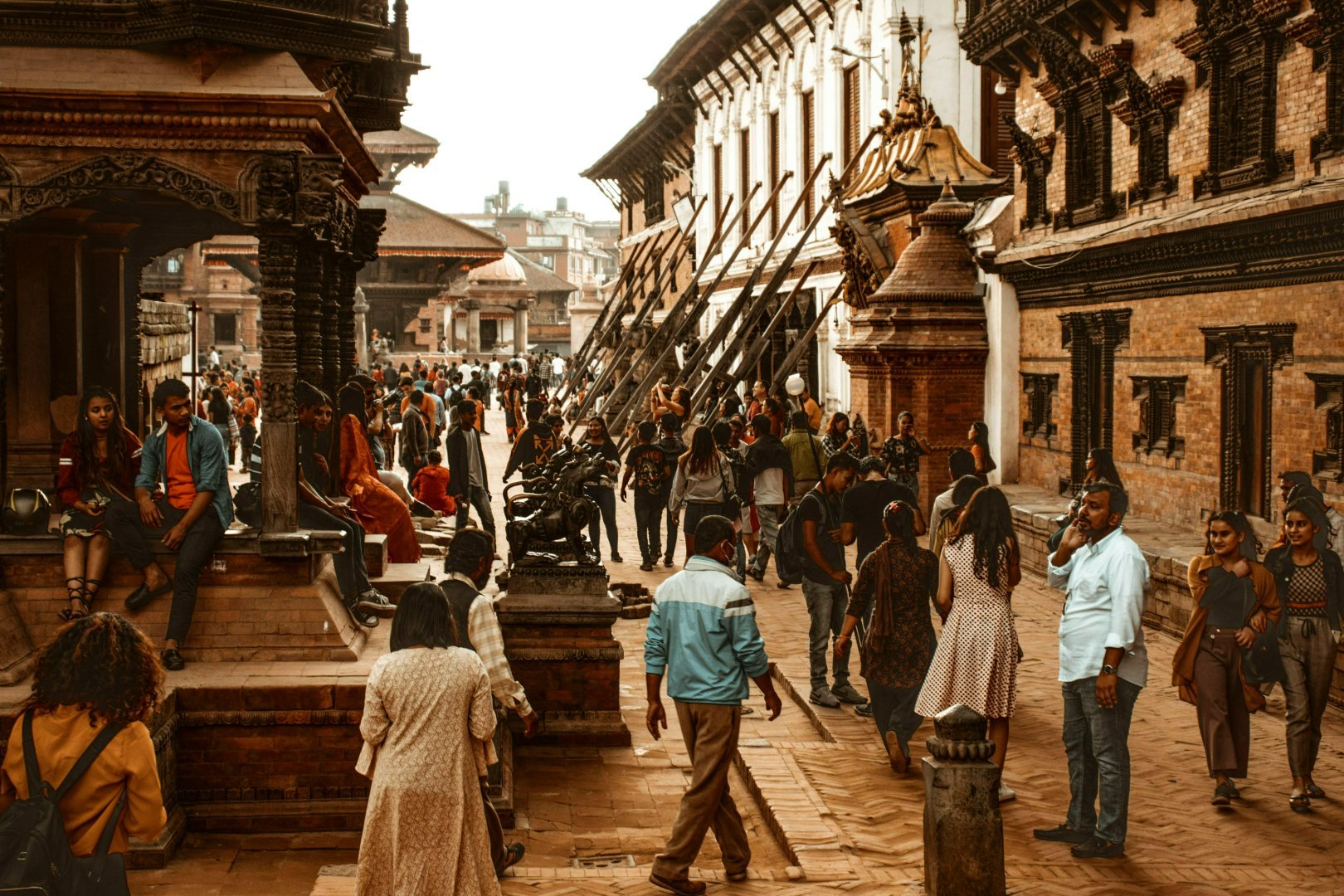
Travel is not only about moving from one place to another. It is also about understanding how people live, how they interact with nature, and how communities stay connected. In Nepal, homestays bring these three elements together in a natural and meaningful way.
Homestays allow travelers to stay in real homes, eat local food, and experience daily life as it happens. Unlike hotels or resorts, homestays are deeply connected to the culture, environment, and people of a place. This connection is what makes homestays in Nepal special.
Through Nepal Homestays, travelers can experience how culture, nature, and community are closely linked and how living in a local home makes travel more meaningful.
Culture Lives Inside Homes
In Nepal, culture is not limited to festivals or special events. It is part of everyday life. It can be seen in how people greet each other, how meals are prepared, how elders are respected, and how families gather in the evenings.
Homestays place travelers inside this living culture.
Guests experience culture by:
Eating meals prepared using family recipes
Observing daily routines and traditions
Listening to stories shared by elders
Participating in small household activities
These moments may seem simple, but they carry deep meaning. Travelers learn culture naturally, without formal explanations or performances.
For first-time visitors, understanding how homestays work in Nepal and what to expect during a stay helps them appreciate these cultural moments with openness and respect.
Nature Is Part of Daily Life
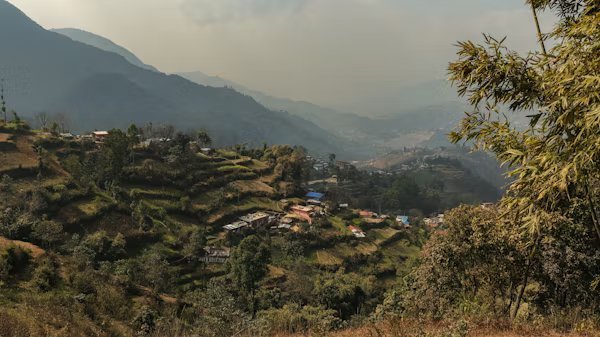
In many countries, nature is something people visit occasionally. In Nepal, nature is part of everyday life, especially in villages where homestays are common.
Homes are surrounded by:
Farms and fields
Forests and hills
Rivers and walking trails
Daily activities depend on seasons, weather, and land. Farming, collecting firewood, feeding animals, and tending gardens are part of normal routines.
Staying in a homestay allows travelers to:
Wake up to natural sounds instead of traffic
Walk through fields and villages
See how seasons affect daily life
Understand the close relationship between people and nature
This connection helps travelers slow down and appreciate the environment as locals do.
Community Is the Foundation of Homestays
Homestays do not exist in isolation. They are part of a wider community system where families support each other.
In villages, people often:
Share farming work
Help during festivals and ceremonies
Support neighbors during difficulties
Make decisions together
When a family hosts guests, the community is also involved. Neighbors may help with food, guide guests on walks, or simply stop by to greet visitors.
This community involvement makes homestays feel warm and welcoming. Guests are not treated as outsiders, but as temporary members of the village.
Culture, Nature, and Community Are Connected
In Nepal, culture, nature, and community are not separate ideas. They are closely linked.
For example:
Farming practices shape food culture
Festivals depend on seasons and harvests
Community gatherings often happen outdoors
Nature influences daily routines and traditions
Homestays sit at the center of this connection. By staying in a home, travelers experience how these elements work together.
This is why homestays feel deeper than other forms of accommodation. They offer understanding, not just comfort.
Food Brings Everything Together
Food is one of the strongest links between culture, nature, and community.
Meals in homestays are usually prepared using:
Locally grown vegetables
Seasonal ingredients
Traditional cooking methods
Families eat together, often sitting on the floor or around a shared table. Meals are unhurried, and conversation flows naturally.
Sharing food allows guests to:
Learn about local farming
Understand seasonal changes
Connect with hosts through conversation
Food becomes a way of learning about the place and the people, not just a daily necessity.
Homestays Support Community Strength
Homestays help communities stay strong without changing their way of life.
When travelers stay in homestays:
Income goes directly to families
Local skills and knowledge are valued
Young people see reasons to stay in villages
Cultural practices continue naturally
This approach supports villages without forcing them to adapt to mass tourism. It allows development to happen slowly and thoughtfully.
Homestays also encourage cultural exchange through everyday family life, where learning happens on both sides without pressure.
Learning Happens Naturally
One of the most meaningful aspects of homestays is how learning happens without effort.
Guests learn by:
Watching how daily tasks are done
Listening to stories and experiences
Participating in small activities
Observing how communities function
This type of learning feels natural and respectful. There are no guides or schedules. Understanding grows through time spent together.
Many travelers say they leave homestays with a better understanding of Nepal, even if they stayed only a few days.
A Slower Way to Travel
Homestays encourage slow travel. Days are not filled with tight schedules or long lists of activities.
Instead, travelers:
Wake up early or late, depending on village routines
Spend time walking or resting
Talk, observe, and reflect
This slower pace helps travelers reconnect with themselves and the places they visit.
It also allows deeper relationships to form between guests and hosts.
Different Regions, Same Connection
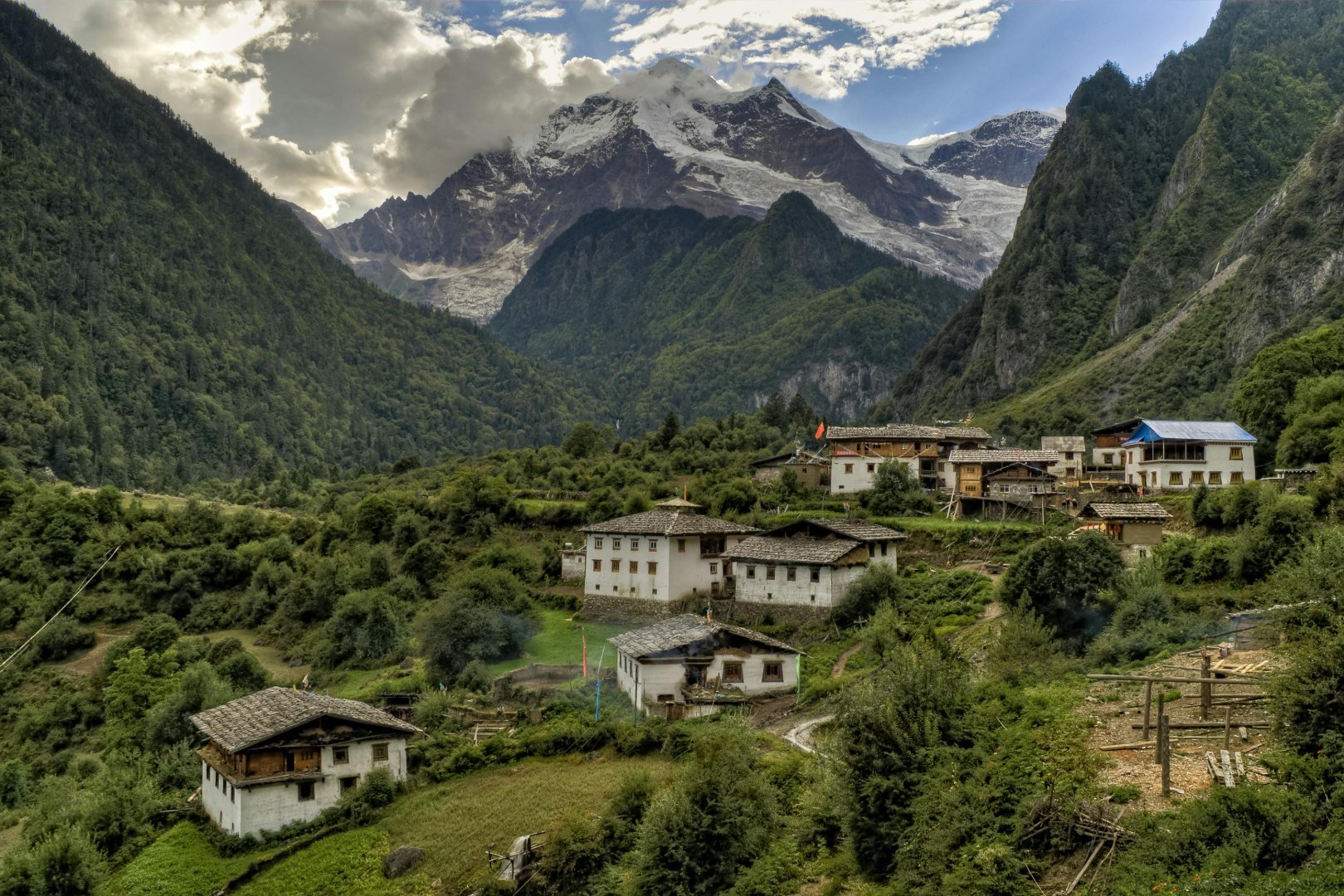
Across Nepal, homestays may look different, but the connection between culture, nature, and community remains the same.
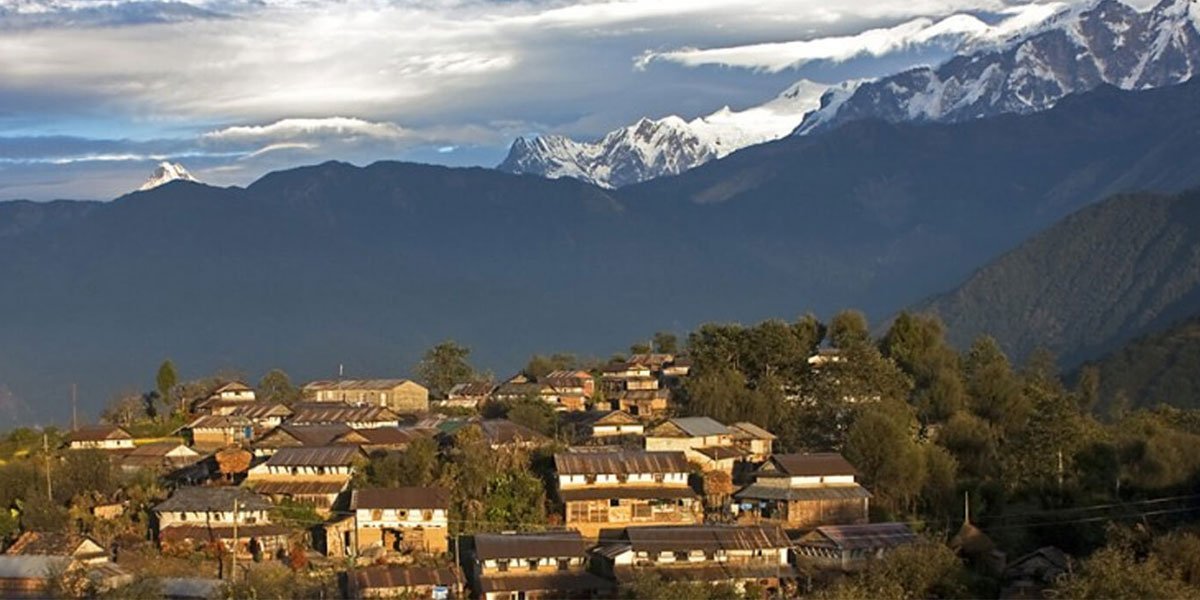
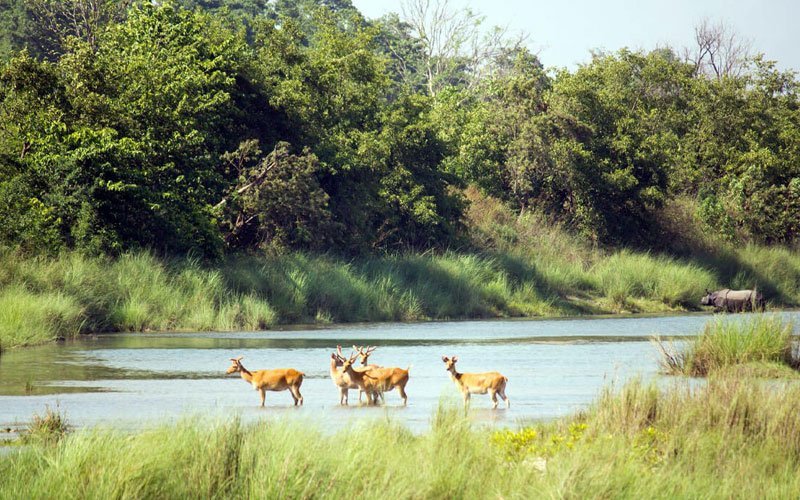
In hill regions, life may revolve around farming and mountain views. In plains, communities may focus on agriculture and warmer climates. Near cities, villages balance tradition with modern life.
Each homestay reflects its region, but all share the same foundation of hospitality and connection.
Respect Makes the Experience Meaningful
Homestays work best when travelers approach them with respect.
This includes:
Dressing modestly
Following house rules
Asking before taking photos
Being patient and open
Respect strengthens the connection between guests and hosts and ensures that the experience is positive for everyone involved.
Why This Connection Matters Today
In a world where travel is often rushed and disconnected, homestays offer something different.
They remind travelers that:
Culture lives in people, not buildings
Nature is something to live with, not just visit
Community matters for well-being and identity
Homestays bring these ideas together in a simple and powerful way.
A Living Experience, Not a Product
Homestays are not designed as products. They are living experiences shaped by daily life.
This is why no two homestays feel the same. Each family, village, and region offers a different story.
Travelers do not just stay somewhere. They become part of a place, even for a short time.
Plan Your Homestay Journey with Nepal Homestays
If you want to experience Nepal in a way that connects culture, nature, and community, homestays offer the most meaningful path.
Through Nepal Homestays, travelers can find trusted family-run and community homestays across Nepal, making it easier to plan stays that are respectful, comfortable, and deeply connected to local life.
Travel slowly.
Live locally.
Experience Nepal through its homes.
Frequently Asked Questions
1. How do homestays help travelers understand local culture?
Homestays allow travelers to experience daily routines, food, and traditions directly by living with local families.
2. Are homestays connected to nature in Nepal?
Yes, most homestays are located in villages surrounded by farms, forests, or hills, making nature part of everyday life.
3. How do homestays support local communities?
They provide direct income to families, encourage cultural pride, and support village life without large tourism developments.
4. Do guests need special knowledge to stay in homestays?
No special knowledge is needed. Respect, patience, and openness are enough to enjoy the experience.
5. Are homestays suitable for families and first-time visitors?
Yes, homestays are generally welcoming and safe for families, solo travelers, and first-time visitors.
Company Admin
Travel writer sharing authentic stories and experiences from Nepal's beautiful homestays.