Conservation is economics: communities protect what pays them. This guide shows how homestays reduce tourism “leakage,” send 85–95% of spending to red panda habitat villages, and create income through hosting, guiding, local purchases, and Forest Guardian support in eastern Nepal.
The math of conservation is simple: communities protect what pays them. A forest with red pandas competes against the same forest logged for timber or cleared for crops. For conservation to win, it must deliver more money to communities than cutting down trees.
Homestays are one of the best ways to make that happen. Here's exactly how they work.
The Tourism Money Problem
When you book a trip to Nepal through big international websites, most of your money never reaches the communities protecting red panda habitat. This isn't just wasteful. For conservation, it's a disaster.
Where Your Tourism Money Actually Goes
Studies show that 70-80% of regular tourism money "leaks" out of countries like Nepal. It gets absorbed by airlines, booking websites, foreign-owned hotels, and imported goods before it ever reaches Nepal. Of the money that does reach Nepal, most stays in Kathmandu.
Why Leakage Destroys Conservation
Think about it this way: a tourist spends $3,000 on an "eco-tour" but only $300 actually reaches local communities in red panda habitat. That's not enough to compete with cutting down the forest for timber. The tourist goes home feeling good about their "sustainable" travel. The community still needs to make money, so they keep cutting trees.
This is the problem homestays solve.
How Homestays Change the Money Flow
Homestays cut out the middlemen. When you pay a family directly for a room and meals, 85-95% of that money stays in the community. No corporate overhead. No international booking fees. No profit going to foreign companies.
Your money goes exactly where conservation needs it: to the families who control whether forests get cut down or protected.
Four Ways Homestays Create Conservation Income
Homestays don't just reduce waste. They create multiple ways for communities to earn money from protecting forests.
Direct Room and Meal Payments
A family hosting travelers earns $15-25 per guest per night. In eastern Nepal, where families might make $1,500 in an entire year, hosting just 50 guests brings in $750-1,250. That's half a year's income.
Suddenly, this family has a real financial reason to protect the forests that bring tourists. Red pandas become worth more alive than the forest is worth as timber.
Guide Jobs
Homestay guests need guides for forest walks and red panda tracking. This creates good-paying jobs for local people who know the forest well. A skilled wildlife guide earns $15-30 per day. Compare that to farm labor at $5-8 per day.
Young people can now make good money by becoming experts on red pandas and forest wildlife instead of leaving for cities.
Local Spending on Food and Crafts
Homestay guests buy vegetables from local farmers, handicrafts from local artisans, and hire local transport. One guest creates income for many families, not just the homestay host.
A three-night stay might mean purchases from 8-12 different households in the village.
Support for Forest Guardians
The Red Panda Network's Forest Guardian program pays community members to monitor and protect red panda habitat. Tourism doesn't just fund this program. It creates a village economy where conservation jobs make sense.
When multiple families in a village earn money from tourism, Forest Guardians get support from their neighbors instead of pressure to give up and start logging.
Eastern Nepal: Where This Matters Most
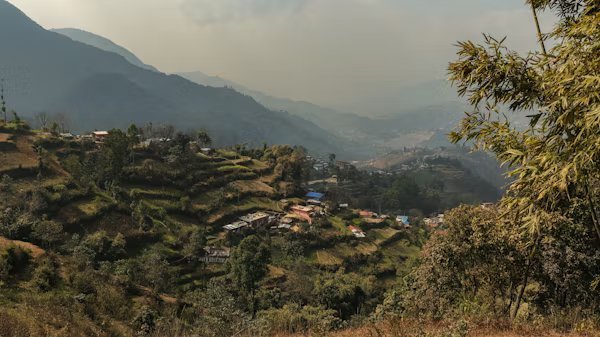
Eastern Nepal includes the districts of Ilam, Panchthar, Taplejung, and Sankhuwasabha. Most tourists never go there. It's outside the main trekking routes. But this is where about 1,000 red pandas live (10% of all red pandas left in the world).
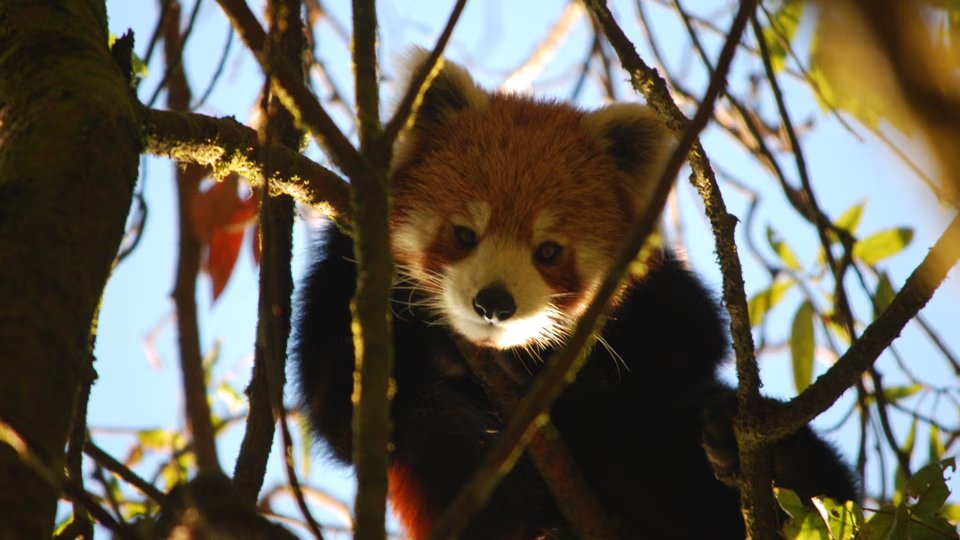
These are also some of Nepal's poorest areas. Families don't have many ways to make money besides farming and occasionally selling timber.
Red Panda Habitat at a Glance
The communities here control access to red panda forests through traditional use rights and community forestry laws. Their decisions about whether to cut trees or protect them determine whether red pandas survive.
Homestays give them a financial reason to choose protection.

Three Ways Tourists Visit: What Actually Helps
Let's compare three different tourists, all visiting eastern Nepal for three days. The difference in how much money reaches communities is huge.
Tourist A: Books Through Kathmandu Company
Books through a Kathmandu tour operator. Stays in Kathmandu hotels. Takes a one-day vehicle trip to eastern Nepal and comes back the same day.
Spends per day: $200
Money reaching eastern communities: $20-30 (guide fees, lunch)
Community keeps: 10-15%
Conservation impact: Almost none. Communities barely notice tourism happened
Tourist B: Stays in Local Lodges
Stays in small lodges along trekking routes. Lodges are owned by wealthier families who had money to build them.
Spends per day: $60
Money reaching local area: $40-45
Community keeps: 65-75%
Conservation impact: Medium. Some families benefit, but others don't see much.
Tourist C: Stays in Family Homestays
Stays with farming families. Hires local guides. Buys directly from village households.
Spends per day: $50
Money reaching local area: $45-48
Community keeps: 85-95%
Conservation impact: High. Money spreads across many families. The whole village benefits from protecting forests.
The Key Point: It's Not About Total Spending
Tourist C spends the least but communities keep the most. That's what matters for conservation. When 8-12 families all benefit from tourism, protecting forests makes sense to the whole village, not just one or two lodge owners.
What One Guest Actually Creates
Let's get specific with real numbers. Here's what happens when one person stays three nights in an Ilam homestay.
Money Created by One 3-Night Stay
Now compare that to cutting down the same forest for timber: a one-time payment of $200-400 that never comes back.
Tourism creates money every year, forever, as long as forests stay standing. Logging creates money once, then it's gone.
The math only works if tourists actually come. That's why your visit matters.
When Tourism Reaches a Village
Let's say a village gets 200 guest-nights per year spread across several homestay families. Here's what that creates:
Room and meal payments: $5,000-6,500 to 8-12 families
Guide income: $2,000-3,000 to 5-8 people
Food and craft purchases: $1,000-1,500 to farmers and artisans
Total village benefit: $8,000-11,000 per year
In a village where all families together might make $60,000-80,000 per year, tourism adds 10-15% to village income. That's enough to change decisions about forests.
Here's what changes when tourism income arrives:
Families who were thinking about clearing forest for farming see their neighbors earning from tourism. They reconsider.
Young people have good jobs at home guiding tourists. They don't need to leave for Kathmandu or work in Gulf countries.
When the village meets to discuss forest use, tourism income is now part of the discussion. Logging doesn't look as attractive anymore.
Successful homestay hosts and skilled wildlife guides become respected in the village. This encourages others to support conservation.
Nobody needs to become an environmentalist. They just need to respond to basic economics: when forests create income, protect forests.
What We've Built
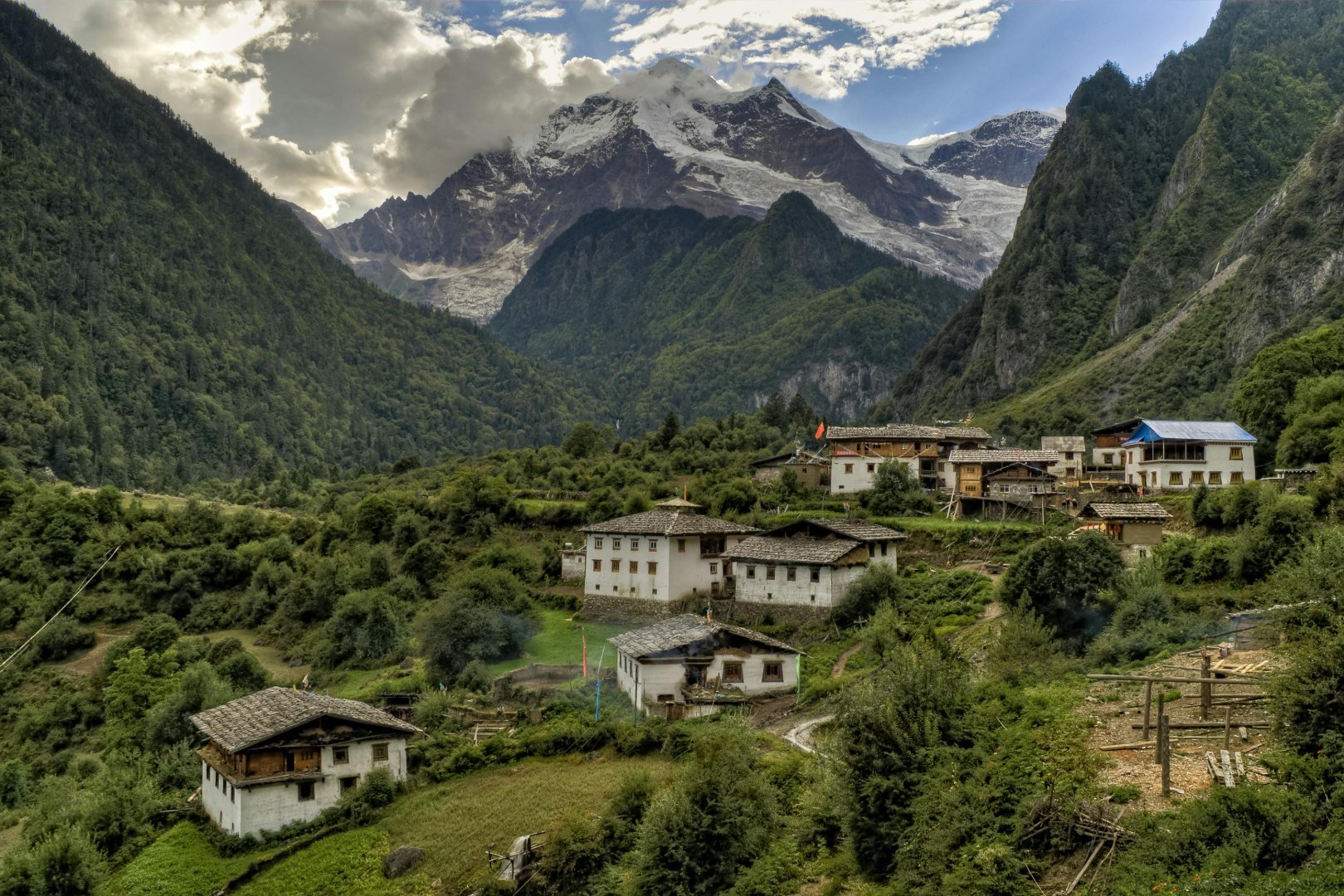
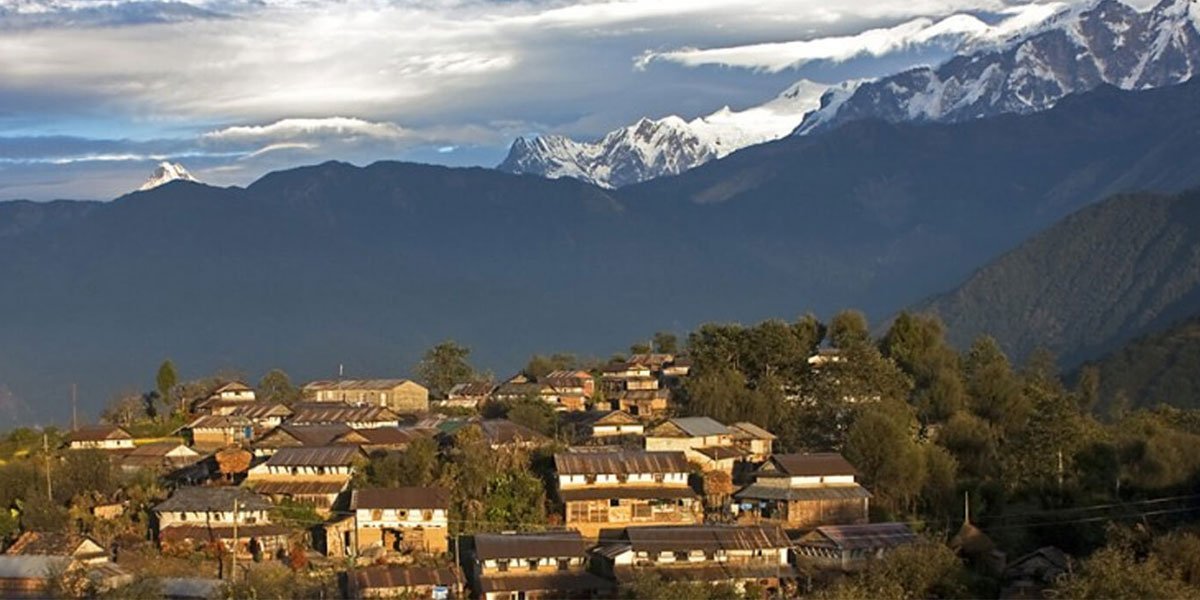
Nepal Homestays works with farming families in Ilam and Panchthar districts. These aren't fancy guesthouses. They're regular farming families who added a guest room to their homes.
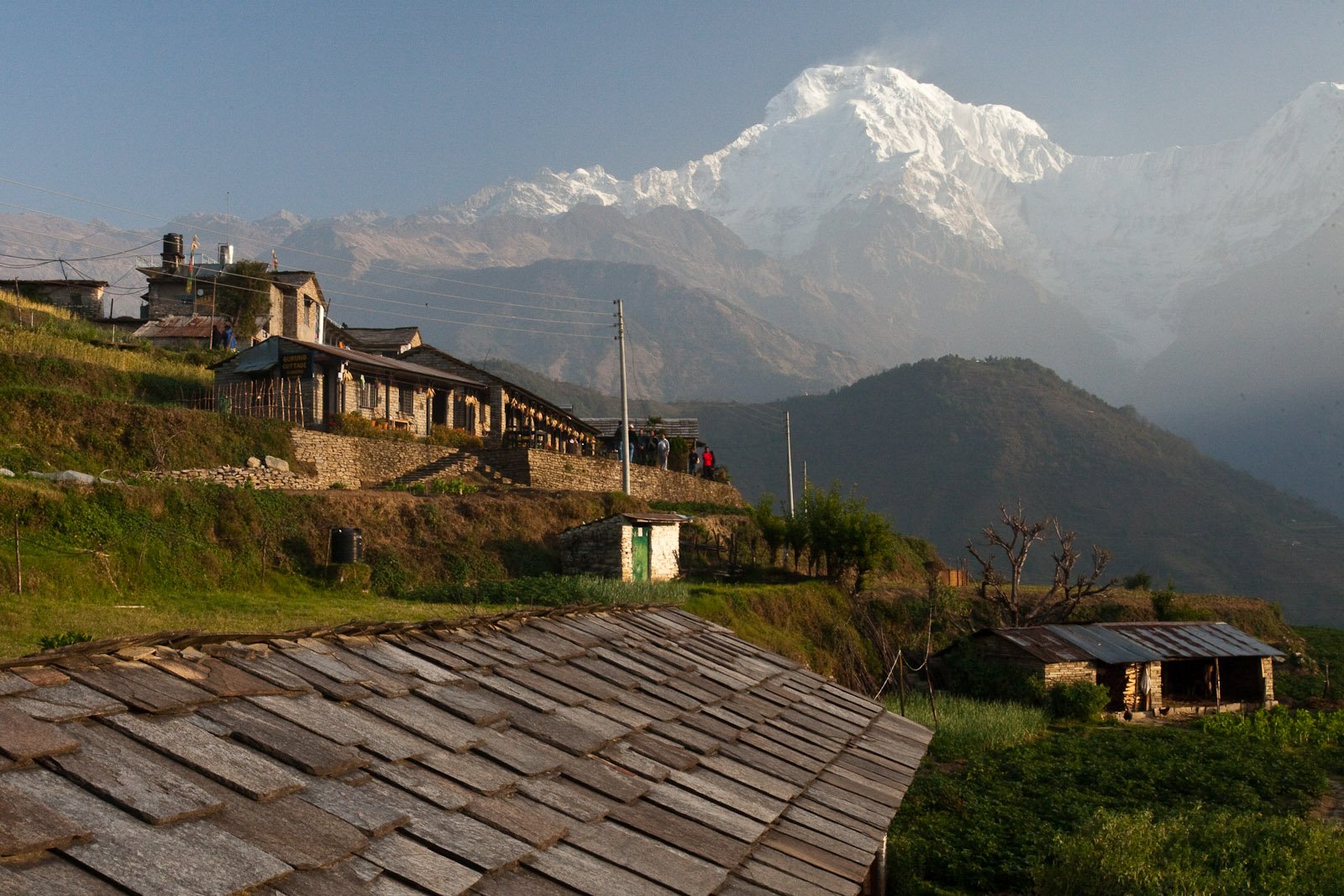
Guests sleep in family homes, eat family meals, and participate in daily village life.
Here's how we support families:
Host Family Training: We help families understand what tourists expect around things like food safety and basic hospitality. The goal isn't to make village homes feel like hotels. It's to make sure both families and guests are comfortable.
Wildlife Guide Training: We train community members who already know the forests in red panda ecology, tracking skills, and guiding techniques. This turns forest knowledge into income.
Trail Maintenance: We help communities maintain trails that work for both tourism and traditional forest use. Trails become village infrastructure, not just tourist paths.
Red Panda Network Partnership: We coordinate with Red Panda Network so tourism supports their conservation work. Guests can meet Forest Guardians, join monitoring walks, and contribute directly to protection programs.
Homestays vs. Regular Guesthouses
What You Actually Experience
This isn't charity tourism where you're "helping poor people." Eastern Nepal offers some of the best nature and culture experiences in the Himalayas. They just happen to also fund conservation.
Pristine forests with incredible rhododendron blooms in spring that rival anything in Nepal.
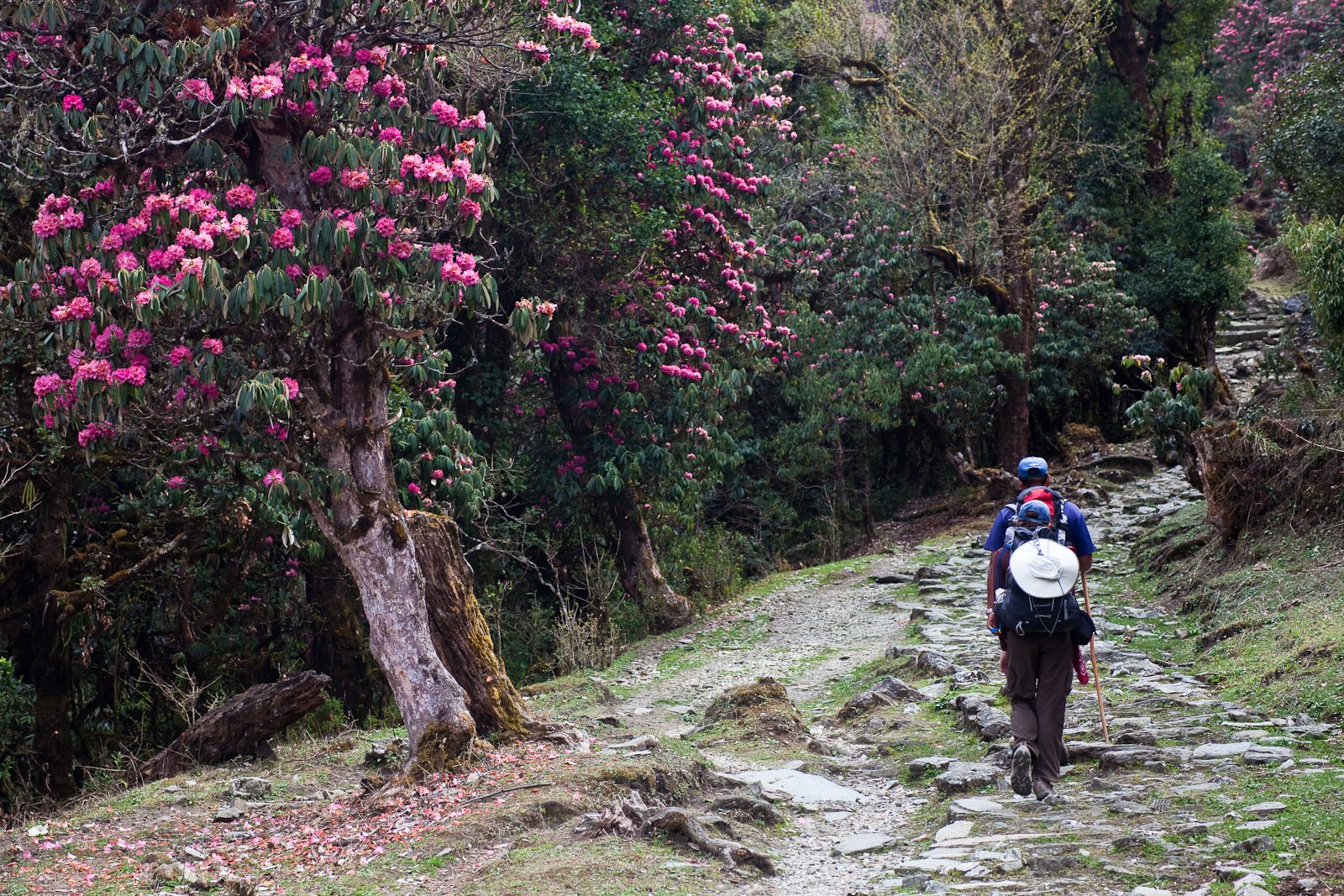
The forests are cleaner and far less crowded than Annapurna or Everest areas.
Better red panda sighting chances because local guides know individual panda territories and behavior patterns from years of experience.
Working tea gardens and cardamom plantations where you learn how these crops grow in mountain conditions. This isn't available in the usual trekking areas.
Limbu and Rai cultures with their own languages, traditions, and festivals that tourists rarely see in western Nepal.
Almost empty trails where you might not see another foreigner for days.
Real village life where you're eating meals with families, helping with daily tasks if you want, and learning how mountain farming works.
Sample 3-Day Visit
Most travelers say the uncrowded trails, authentic cultural exchange, and pristine forests make the trip amazing even if they don't see a red panda.
Why This Matters Right Now
The window for making tourism work as conservation funding is closing fast. Threats to red panda habitat are growing faster than tourism is developing.
New roads are opening forests that were too remote for logging trucks five years ago. Companies can now reach valleys they couldn't before. This makes timber suddenly profitable.
Climate change is affecting the bamboo that red pandas eat. Red pandas are picky eaters and need specific bamboo species. When bamboo growth changes, red pandas have less food.
Young people leaving villages for city jobs at faster rates. Fewer people with traditional forest knowledge stay in communities. This makes conservation harder.
Habitat fragmentation is breaking forests into disconnected pieces. When red panda groups can't reach each other to breed, genetic problems develop. Once this happens, recovery becomes much harder and more expensive.

The work happening now (training host families, developing guides, building trails) will determine whether these forests survive the next ten years.
How You Can Help
You don't need special skills or big donations. You just need to make smart choices about how you travel.
If You're Planning to Visit Nepal
Book directly with community groups, not through big international websites that take 15-30% cuts before money even reaches Nepal.
Choose homestays over lodges when you have the choice. Homestays keep more money local and spread benefits to more families.
Hire guides from red panda habitat communities, not Kathmandu guides who travel with you. Local guides know the wildlife better and have real stakes in conservation.
Stay longer in fewer places. Three nights in one homestay helps the community more than one night each in three places. It also reduces transport costs and gives you deeper cultural experiences.
Ask tour companies what percentage of your payment reaches local communities. Good companies will answer honestly. If they won't answer, book somewhere else.
If You're Not Traveling Soon
Share this information with people you know who are planning Nepal trips. Word-of-mouth matters for small-scale tourism like this.
Support the Red Panda Network financially if you want. They fund Forest Guardian programs and community conservation work.
Push back when people say international booking platforms are the only "safe" way to travel. Direct community booking is safe, more rewarding, and better for conservation.
Frequently Asked Questions
How do I book a homestay in a red panda habitat?
Nepal Homestays partners with families in Ilam, Panchthar, and other eastern districts. You can book directly through our website. We handle transport and planning while keeping your money in Nepal.
Are homestays comfortable enough for Western travelers?
Homestays are clean and safe, but not hotels. You get a private room, but might share bathrooms with the family. The food is traditional Nepali meals. Electricity might be limited in remote areas. Most travelers love it because it's authentic village life.
What if I don't see a red panda?
Red pandas are rare and shy, so sightings aren't guaranteed. But your visit still helps conservation by creating income for communities. Many people say the forest, culture, and uncrowded trails make the trip worthwhile even without seeing a panda.
How much should I budget?
For three days and two nights in red panda habitat, budget $150-200 total. This covers room, meals, guide, and local transport. You'll also need money for transport from Kathmandu and any optional donations.
Is it safe?
Yes. These communities welcome guests regularly. Crime is virtually nonexistent in rural eastern Nepal. Main safety concerns are altitude (go slow above 3,000 meters) and trails (wear good boots).
When's the best time to visit?
Spring (March-May) and autumn (September-November) have the best weather. Spring adds rhododendron blooms. But homestays work year-round. Winter and monsoon edges have fewer tourists and feel more intimate.
Should I volunteer instead?
No. Paying guests help more than volunteers. Tourism creates lasting income. Volunteers often need more resources than they provide. If you have professional skills (marketing, web design, conservation), contact Red Panda Network about specific projects.
How do homestays compare to donations?
Both help differently. Donations fund specific programs. Homestays create ongoing economic reasons to protect habitat. Best approach: visit as a paying guest AND donate to conservation programs.
What other wildlife lives there?
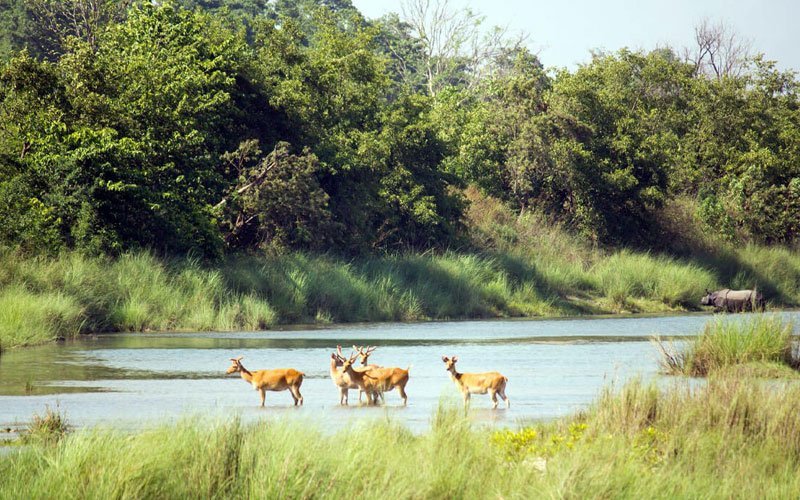
The red panda habitat is rich in wildlife. You might see Himalayan black bears, martens, wild boar, barking deer, and occasionally clouded leopards. Over 300 bird species live in these forests.
How can I maximize my conservation impact?
(1) Book direct with communities, (2) Stay three nights instead of one, (3) Hire local guides, (4) Donate to Forest Guardian programs, (5) Tell other travelers about community-based tourism.
Nepal Homestays partners with communities in eastern Nepal's red panda habitat. Browse our Eastern Nepal homestays to plan your visit.
Company Admin
Travel writer sharing authentic stories and experiences from Nepal's beautiful homestays.