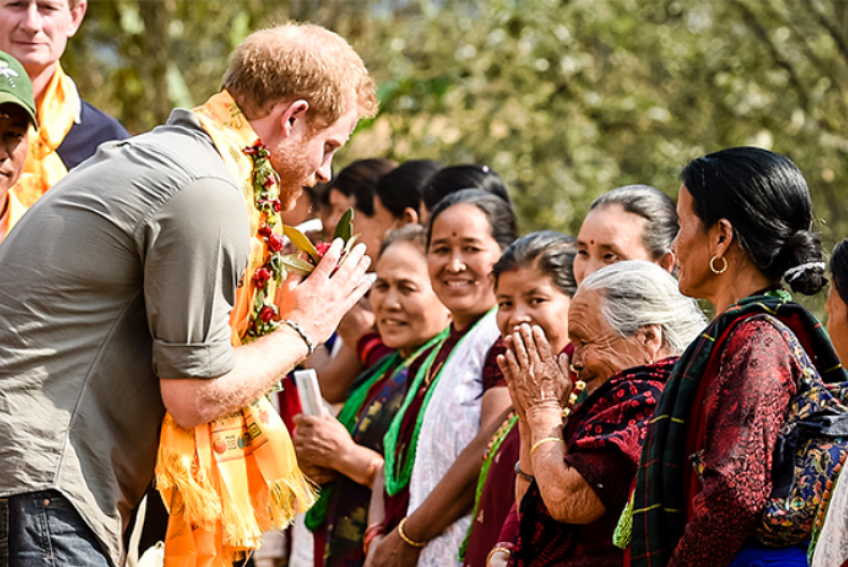
When you visit Nepal, the beauty of its mountains and temples is unforgettable, but what truly stays in your heart is the warmth of its people. Nowhere is that warmth stronger than in a homestay. How Nepali hospitality makes homestays feel like home is something every traveler experiences the moment they step into a village house, share a home-cooked meal, or hear a simple but sincere “Namaste.”
This kindness and care go beyond comfort. It reflects a deep cultural belief that guests are like gods, Atithi Devo Bhava. Every visit, every meal, and every smile becomes part of a larger story of generosity and connection.
In this blog, we explore how Nepali hospitality turns a simple stay into a heartfelt experience. You will discover how homestays reflect real Nepali values, how families open their doors to the world, and how this form of travel helps preserve culture while creating memories that last a lifetime.
The Spirit of Nepali Hospitality
Hospitality in Nepal is more than offering food or a place to sleep. It is a way of life rooted in respect and kindness. When you stay in a homestay, you are welcomed not as a guest but as part of the family.
From your first cup of sweet milk tea to your last goodbye, you feel cared for in small but meaningful ways. In the villages, hosts prepare your room carefully, add extra blankets if it is cold, and cook with ingredients from their own gardens. Every act, though simple, carries warmth and intention.
Many Nepali hosts believe that hosting a traveler brings good fortune to the house. That belief shines through in how they welcome visitors. They don’t just serve food; they share their stories, laughter, and way of life.
This genuine approach to hospitality is what makes a homestay in Nepal so memorable. You don’t feel like a tourist watching from a distance. You become part of a home that opens its heart to you.
How Nepali Hospitality Makes Homestays Feel Like Home in Practice
Homestays are the best way to experience Nepali hospitality closely. These stays are often run by families who take pride in sharing their homes and traditions. They cook for you, eat with you, and teach you about their local customs.
In the morning, you might help prepare tea or watch how rice is cooked over a traditional stove. During the day, you may join your hosts in the fields, visit nearby temples, or walk with them to the local market. In the evening, families gather around the kitchen fire, where everyone shares stories and laughter.
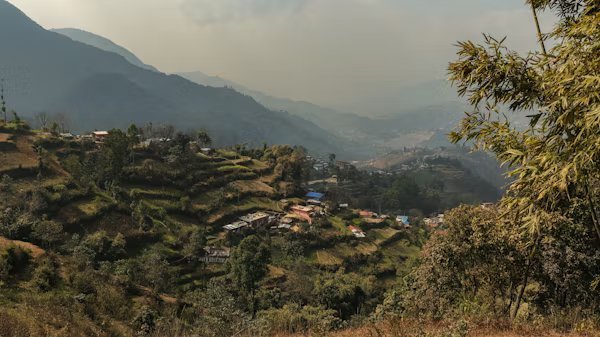
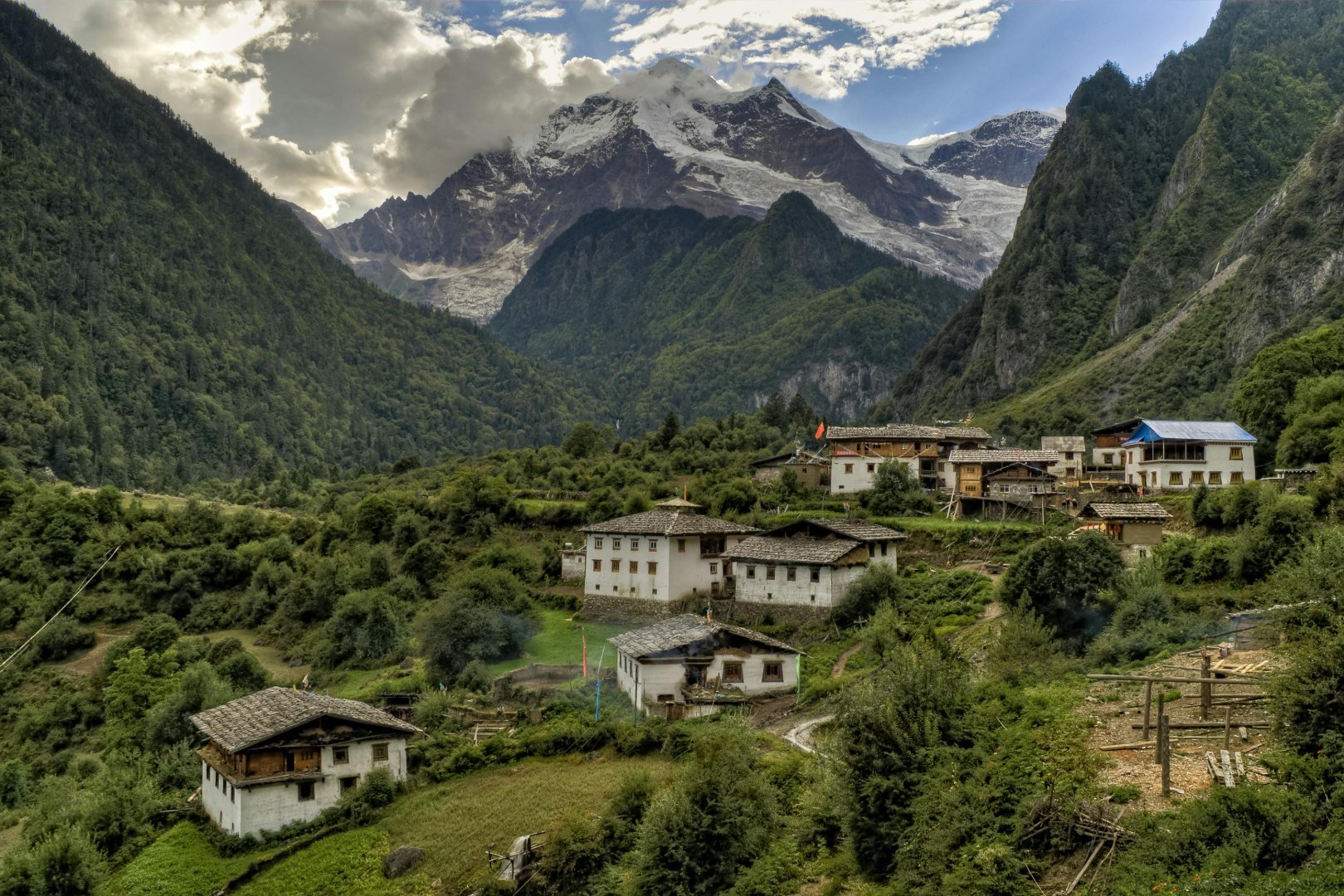
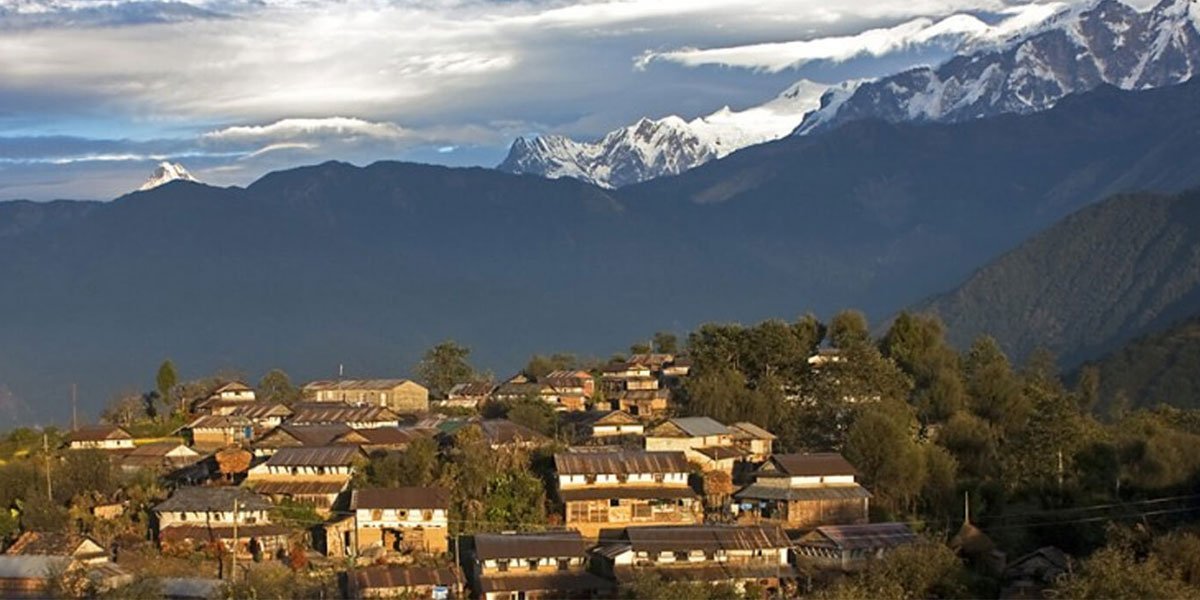
Villages like Ghale Gaun, Panauti, and Sirubari are known for their warm hospitality. A grandmother might offer homemade pickles, children may sing folk songs, or a host may invite you to a wedding or festival. These personal moments make you feel connected in a way that hotels never can.
It is in these everyday experiences that you truly see how Nepali hospitality makes homestays feel like home, by turning travel into friendship and comfort.
Home-Cooked Meals and the Taste of Care
Food is a big part of Nepali life, and it plays a special role in every homestay. Meals are simple but delicious, often made with ingredients grown in the family garden. You might eat rice, lentils, green vegetables, pickles, and sometimes local meat dishes cooked over firewood.
When you eat at a homestay, you don’t just taste Nepali food, you taste care. Every dish is prepared with patience and love, often by someone who wants you to feel welcome. Many travelers say that the best meals in Nepal are the ones shared in family kitchens, where laughter fills the air and everyone eats together on the floor around a big plate of dal bhat.
You might even get the chance to help in the kitchen, rolling out dough for roti or learning to steam momo. These small activities make your stay more personal and meaningful.
If you enjoy discovering local flavors, you will love traditional Nepali foods to try during your homestay stay, which shares how home-cooked meals are part of everyday life and how food connects people across cultures.
Festivals and Family Bonds
Nepal is a land of festivals, and staying in a homestay allows you to experience them up close. Festivals like Dashain, Tihar, and Holi are times when families come together, celebrate, and share joy. When you stay with a host family during these festivals, you are not just watching; you are joining in.
You might help decorate the home with marigold flowers, make colorful rice patterns for Tihar, or play with colors during Holi. Families often share sweets, light oil lamps, and invite guests to join prayers. These moments create an emotional bond that lasts long after you leave.
Festivals also reveal the deep connection between faith, family, and hospitality in Nepal. They show how happiness is shared freely, even with strangers.
If you want to plan your trip around these celebrations, you can find helpful details on the Nepal Tourism Board website. It lists festival dates, local events, and travel information for visitors who want to experience Nepal’s culture firsthand.
Simple Gestures That Leave a Lasting Impression
It’s often the little things that stay with travelers long after they’ve left Nepal. A cup of tea after a long walk, a warm smile from a host, or a small handmade gift can make you feel at home instantly.
Homestay hosts care deeply about your comfort. They ask about your day, make sure you are warm at night, and guide you through the village with pride. Many guests say they came to see the mountains but ended up being moved by the kindness of the people.
This is what makes homestays in Nepal so special. It’s not about fancy rooms or modern luxuries; it’s about feeling cared for, appreciated, and truly welcome.
How Homestays Preserve the Tradition of Nepali Hospitality
In a world that’s changing fast, homestays help preserve what makes Nepal unique. While hotels and resorts grow in big cities, homestays in villages protect the country’s traditional way of living and sharing.
Families earn income by hosting guests, but they also keep their customs, food, and culture alive. They teach their children about the importance of generosity and respect. By staying with them, travelers support this tradition.
Many families are now part of local projects that promote responsible travel. One good example is How Homestays Are Driving Sustainable Tourism in Rural Nepal, which shows how villagers welcome guests while keeping their culture and way of life strong.
The UN World Tourism Organization supports similar efforts around the world, encouraging travel that helps both people and the planet.
Tips to Appreciate Nepali Hospitality During Your Stay
To make the most of your homestay experience and show respect to your hosts, here are a few simple tips:
Greet your hosts with a warm “Namaste.”
Offer a small gift like tea, chocolate, or a souvenir from your country.
Eat what is served and thank your hosts.
Dress modestly, especially in rural areas.
Take part in daily chores or celebrations when invited.
Avoid wasting food or water.
Always smile and be patient with cultural differences.
These small gestures show respect and appreciation. In return, your hosts will remember you as a kind and respectful guest.
The Emotional Impact of Nepali Hospitality
Travelers often say they come to Nepal for its natural beauty but return because of its people. A homestay lets you experience this firsthand. Every meal shared, every story told, and every smile exchanged becomes a memory that stays with you forever.
Homestays also give back to the community. When travelers stay with local families, the money goes directly to the people, helping improve their lives. It creates opportunities for education, women’s empowerment, and local business growth.
This kind of travel is more than just a holiday, it is a connection. It is proof that kindness and culture can create understanding across borders.
If you are interested in how tourism benefits small communities, you can read how tourism supports local farmers and artisans in Nepal. It shows how the simple act of staying in a homestay helps families build better futures.
Why Homestays Feel More Personal Than Hotels
Many travelers who stay in both hotels and homestays say there’s a big difference. In hotels, you are a customer; in homestays, you are family.
Homestays may not have luxury rooms or swimming pools, but they have warmth, real conversations, and cultural exchange. You learn about life in Nepal, and your hosts learn about your world too. This two-way exchange builds friendships that often last long after the trip ends.
Hotels offer comfort and convenience, but homestays offer belonging. That is why more travelers are choosing to stay in local homes instead of big hotels. It is an experience that money alone cannot buy.
How Nepali Hospitality Inspires Travelers
For many visitors, their time in a homestay changes how they see travel. It teaches them that true hospitality is about kindness, not luxury. Guests often leave with tears in their eyes, promising to return someday.
Some travelers even start projects to support their host villages, such as funding local schools or promoting responsible tourism. This is the ripple effect of genuine hospitality, it inspires kindness in others.
Nepali hospitality is not about perfection. It’s about the heart. It’s about families who open their doors, share their meals, and treat strangers like family. That is the magic that turns a simple stay into something unforgettable.
Final Thoughts
Homestays in Nepal are more than a place to sleep. They are homes filled with kindness, culture, and connection. How Nepali hospitality makes homestays feel like home is seen in every smile, every cup of tea, and every goodbye that feels like family.
It’s not the comfort that makes these stays special; it’s the feeling of belonging. When you share a meal, join a celebration, or help in a small task, you become part of something bigger. a living tradition of care and respect.
If you are planning to experience this warmth yourself, visit NepalHomestays to find community-led stays that welcome you like family.
Frequently Asked Questions
1. What makes Nepali homestays feel so warm and welcoming?
Nepali homestays feel warm because hosts treat you like part of their family, not just a guest. They cook for you, talk with you, invite you to join daily life, and genuinely care about your comfort and happiness.
2. Are homestays in Nepal suitable for first-time visitors?
Yes, homestays are great for first-time visitors. You get local guidance, home-cooked food, and help understanding culture and customs. Hosts are usually patient and happy to answer questions, so you never feel alone or lost.
3. What kind of food will I get in a Nepali homestay?
Most homestays serve simple, fresh, home-cooked meals like dal bhat (rice and lentils), vegetables, pickles, and sometimes meat. Many families also cook snacks like momo or sel roti. The food is usually mild but tasty, and you can tell them if you do not eat certain things.
4. Do I need to know Nepali language to stay in a homestay?
You do not need to speak Nepali to stay in a homestay. Many hosts know basic English, and even simple words like “Namaste,” “Dhanyabad” (thank you), and “Ramro” (good) can make a big difference. Smiles, gestures, and kindness do most of the talking.
5. How can I show respect to my host family in Nepal?
You can show respect by greeting them with “Namaste,” dressing modestly, joining meals on time, not wasting food, and helping with small tasks if they invite you. Saying thank you, listening to their stories, and treating their home with care are all small acts that mean a lot.
6. Are homestays better than hotels for cultural experience?
If your goal is to learn about real Nepali life, then yes, homestays are better. You see how people live, eat, work, and celebrate. Hotels offer comfort and privacy, but homestays offer closeness, culture, and memories that feel more personal and emotional.
Company Admin
Travel writer sharing authentic stories and experiences from Nepal's beautiful homestays.