Nepal’s breathtaking landscapes and vibrant cultures attract millions of travelers each year. But beyond the mountain treks and ancient temples, tourism is quietly fueling something much more meaningful, opportunity. Every guest who books a homestay, buys a handmade souvenir, or eats a locally sourced meal helps power a growing network of local farmers and artisans in Nepal.
This blog explores how tourism supports these hardworking communities, why it matters for Nepal’s economy, and how travelers can make every trip more responsible and rewarding.
The Connection Between Tourism and Local Livelihoods
For generations, many Nepali families have depended on farming and craftsmanship as their main source of income. When tourism began to grow, it opened new doors for these traditional livelihoods. Hotels, homestays, trekking routes, and community tourism programs began sourcing food, materials, and products directly from local producers.
This connection created more than income. It built respect between travelers and locals, encouraged the preservation of traditional skills, and helped rural families see tourism as a sustainable part of their community.
How Tourism Helps Local Farmers in Nepal
1. Creating Steady Markets for Local Produce
Tourism has brought stable demand for local fruits, vegetables, dairy, and grains. Homestays and small lodges often buy directly from nearby farmers instead of relying on city markets. This short supply chain supports the local economy and reduces food transport costs.
For example, families running community homestays in rural Nepal purchase seasonal produce like lentils, spinach, and millet from nearby fields. Guests enjoy fresh, organic meals while farmers earn fair prices. Everyone benefits.
2. Promoting Organic and Sustainable Farming
The growing interest in eco-tourism and wellness travel has encouraged many farmers to return to organic practices. Travelers today prefer natural food and are happy to learn how it’s grown. Many homestays offer farm-to-table experiences where guests can pick vegetables, help with planting, or milk cows in the morning.
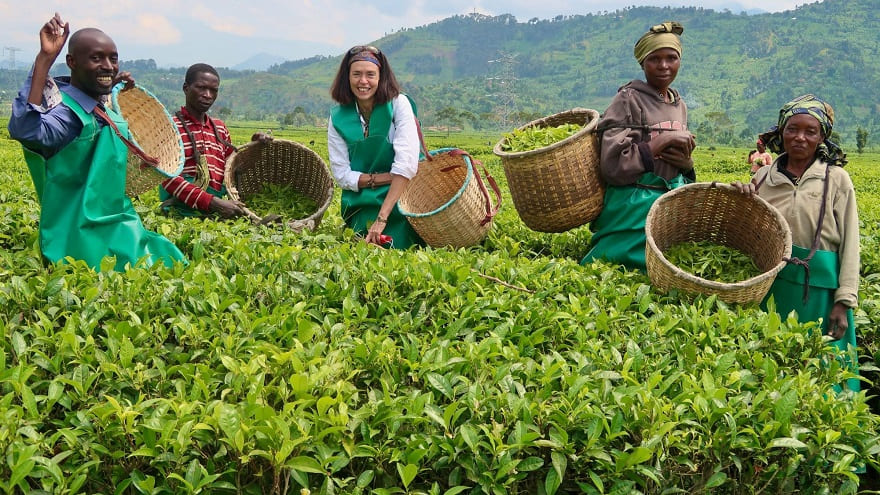
In Ilam, well known for its tea gardens, tourists join harvesting activities and learn about sustainable farming methods that protect the soil and water. These exchanges help both sides understand the value of clean, healthy food.
3. Reducing Urban Migration
One of Nepal’s biggest challenges is rural migration. Many young people leave their villages for city jobs or foreign employment. But when tourism creates local opportunities, fewer families feel the need to leave.
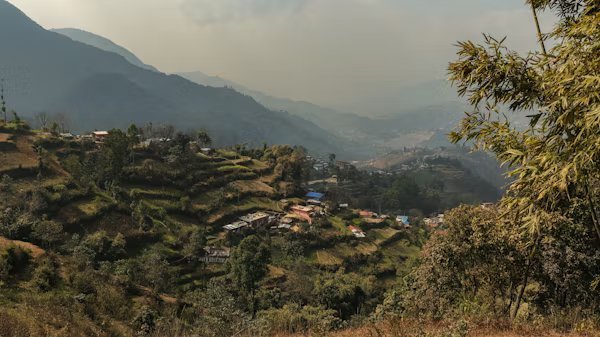
Farming communities near homestays in Gorkha, Lamjung, and Kaski are seeing youth return to work on farms again. With guests buying directly from them, agriculture becomes profitable, and young people see pride in their work.
How Tourism Helps Local Artisans in Nepal
1. Reviving Traditional Handicrafts
From handmade pottery in Bhaktapur to Dhaka weaving in Palpa, Nepal’s traditional crafts tell stories of heritage. Tourism has played a key role in keeping these art forms alive. Visitors often prefer authentic souvenirs made by hand rather than mass-produced imports.
In tourist hubs and rural villages alike, artisans now showcase their work through workshops, homestay programs, and cultural fairs. This revival gives new life to crafts that were once disappearing.
2. Encouraging Women’s Employment
Many artisan groups are run by women who use their creative skills to support their families. Their work and confidence reflect the change seen in how homestays are empowering rural women in Nepal, where women-led tourism creates real opportunities in rural communities.
3. Promoting Cultural Pride
Tourism not only provides financial benefits but also inspires artisans to value their culture. When travelers admire local craftsmanship, it strengthens community pride. Villagers begin to see their culture as something worth celebrating and protecting.
Homestays often host cultural evenings where artisans perform music, dance, or sell traditional artwork. These activities help preserve both artistic skills and community identity.
This exchange between artisans and travelers strengthens local traditions and keeps them alive, just as shared in how homestays in Nepal support cultural exchange and understanding, where tourism becomes a bridge between cultures.
Homestays: The Bridge Between Tourism and Local Livelihoods
Homestays are perhaps the strongest link between travelers and producers. Unlike hotels that rely on suppliers from cities, homestays source everything locally: food, furniture, and décor often come from the same village.
Farmers sell milk, rice, and vegetables directly to hosts.
Artisans make utensils, baskets, or blankets used in the guest rooms.
Local youth earn income by guiding hikes or organizing cultural shows.
These small interactions create a sustainable cycle. Every traveler who stays in a homestay helps strengthen community networks and promotes sustainable tourism in rural Nepal.
For a closer look at how this model works, you can explore community-based tourism in Nepal: a new way to travel, where locals lead tourism for long-term benefits.
The Role of Community-Based Tourism Networks
Nepal’s community-based tourism (CBT) programs have become vital in connecting farmers and artisans with travelers. These networks train locals in hospitality, help manage resources, and ensure fair profit sharing.
Projects like the Panauti Community Homestay, Sirubari Homestay, and Ghale Gaun Homestay are good examples. Each one supports farmers, encourages handmade products, and invests profits back into schools and roads.
Such programs have proven that when tourism is managed by communities, it can be inclusive, ethical, and sustainable.
How Social Entrepreneurship Supports Rural Growth
Many of Nepal’s tourism successes are tied to social entrepreneurship. Local leaders and small businesses are finding creative ways to connect tourism with social causes.
For instance, in mountain villages, cooperatives help farmers sell organic coffee or honey to trekkers. In the Terai region, women’s groups make eco-friendly crafts for homestay guests.
These initiatives mirror the change described in social entrepreneurship: how small ideas create big change in Nepal, where tourism becomes a tool for empowerment and innovation.
Environmental Benefits of Local Sourcing
Sourcing locally reduces transportation, packaging, and food waste. Guests eat what’s in season, and artisans use natural materials like bamboo, wool, or clay. This lowers the carbon footprint of tourism.
Many eco-friendly homestays in Nepal promote plastic-free stays and encourage guests to use reusable bottles, bags, and utensils. Such small steps create a big impact on environmental conservation.
How Travelers Can Help Farmers and Artisans
Even as a visitor, your choices can make a difference. Here are some easy ways to support local farmers and artisans when you travel in Nepal:
Stay in community-run homestays instead of large hotels.
Buy souvenirs directly from artisans or at local cooperatives.
Eat local and seasonal food during your stay.
Join workshops or farm tours to learn from locals.
Carry a reusable water bottle and avoid single-use plastic.
Promote local stories by sharing your experience online.
For more tips on planning your trip, check the best time to visit homestays in Nepal to experience authentic rural life in ideal weather.
Challenges Ahead
While tourism has helped countless communities, challenges remain. Many villages still lack roads, stable electricity, or digital payment systems. Some artisans struggle to market their work outside local areas.
Government agencies, NGOs, and organizations like the Nepal Tourism Board are supporting community tourism programs through training and funding. Global partners such as the UN World Tourism Organization are also working with Nepal to ensure responsible and inclusive tourism growth.
The Future of Responsible Tourism in Nepal
The future of Nepali tourism depends on keeping local communities at the heart of development. As travelers continue to seek authentic experiences, community homestays in rural Nepal will play an even bigger role.
By choosing these stays, tourists not only enjoy cultural exchange but also help create stable incomes for farmers and artisans. This sustainable partnership keeps traditions alive and ensures that tourism benefits everyone, not just a few.
Final Thoughts
Every handmade cup, every home-cooked meal, and every smile you share with a host tells a story of connection. Tourism in Nepal is not just about reaching the mountains, it’s about reaching the people who make them come alive.
By staying in a homestay, buying locally, and traveling mindfully, you help strengthen the roots of rural Nepal. The next time you visit, remember that your journey is helping farmers, artisans, and families build a better tomorrow.
Frequently Asked Questions (People Also Ask)
1. How does tourism help local farmers in Nepal?
Tourism creates new markets for local farmers by connecting them directly with homestays, lodges, and restaurants. Farmers supply fresh produce, dairy, and grains to travelers, ensuring fair income while promoting organic and sustainable agriculture in their villages.
2. In what ways does tourism support local artisans in Nepal?
Tourism gives artisans the chance to sell handmade crafts, pottery, and textiles directly to travelers. Visitors often prefer authentic, locally made items, which helps preserve traditional skills and provides artisans with a steady source of income.
3. How do community homestays in Nepal help farmers and artisans?
Community homestays buy food and materials from nearby farmers and artisans, keeping money within the village. Guests enjoy fresh local meals and handmade products, creating a fair and sustainable cycle that benefits the entire community.
4. Why is supporting local farmers and artisans important for sustainable tourism?
Supporting local producers ensures that tourism growth benefits everyone, not just large businesses. It helps maintain cultural heritage, reduces rural migration, and promotes eco-friendly practices that protect Nepal’s environment and traditions.
5. How can travelers contribute to local livelihoods in Nepal?
Travelers can support local livelihoods by staying in community homestays, buying handmade crafts, eating locally sourced food, and joining workshops or farm tours. Small choices like these help sustain rural economies and preserve Nepal’s authentic culture.
Company Admin
Travel writer sharing authentic stories and experiences from Nepal's beautiful homestays.