Staying in a trekking homestay in Nepal in 2026? You still need permits. This guide explains region-by-region entry fees, new solo trekking rules, TIMS updates, restricted area costs, and how to get your permits without stress before starting your Himalayan adventure.
Key Takeaways
Every major trekking region in Nepal requires at least one permit before you enter, and some need two or three.
Homestay trekkers are not exempt from permits, even if they are staying with local families instead of lodges.
Solo trekking is now banned in Nepal, and a licensed guide is required through a registered agency.
The TIMS card system has changed, and the Everest (Khumbu) region no longer uses it at all.
Permit fees range from NPR 2,000 (about $15 USD) to USD 500 for restricted areas like Upper Mustang.
Getting your permits in Kathmandu or Pokhara before you start your trek saves you time, money, and trouble.
Introduction
You finally booked your trip to Nepal. You have found a beautiful homestay tucked inside a mountain village, and you can already picture yourself waking up to Himalayan views. But here is something many trekkers miss until the last minute: you need a permit just to enter the area where your homestay is located.
Nepal's trekking regions are protected by the government. That means you cannot just show up and walk in. Every region has its own set of permits and entry fees, and missing even one of them can get you fined or turned back at a checkpoint.
This guide covers everything you need to know:
Which trekking regions and homestay areas need permits
Exactly what fees you will pay in each region
What is new in 2026 that you must not ignore
How to get your permits without stress
Whether you are a first-time trekker or a returning visitor, this guide will make sure your homestay adventure starts on the right foot.
What Are Nepal Trekking Permits, and Why Do They Matter for Homestay Trekkers?
Nepal's trekking permits are official documents issued by the government that give you legal access to protected mountain areas. They are not just a formality. They help protect the environment, support local communities, and keep you safe if you ever need a rescue.
If you are staying in a homestay along a trekking route, you are still entering a national park, conservation area, or restricted zone. That means the same permit rules apply to you, no matter where you sleep at night.
Here is what you need to understand:
Permits are checked at multiple checkpoints along every route. If you do not have the right ones, you will be turned back or fined.
Trekking without a permit can cost you a fine of NPR 12,000 or more at the checkpoint.
Solo trekking is now banned across Nepal. You must trek with a licensed guide hired through a registered trekking agency.
Children under 10 years old usually do not need permits, but you should always confirm with your agency.
What Changed in 2026: Important Updates You Need to Know
Nepal's trekking rules have changed a lot in the past few years. Here are the most important updates for 2026 that affect permit requirements and homestay trekking.
Solo trekking is officially banned. Foreign trekkers must now hire a licensed guide through a registered trekking agency. This applies to almost all national parks and every restricted area. It does not matter if you have done the same route before.
The TIMS card system has been updated. The Trekkers' Information Management System (TIMS) card can no longer be obtained directly by individual trekkers. You can only get it through a registered trekking agency. The Khumbu (Everest) region no longer uses TIMS at all and has replaced it with a local municipality permit.
Digital permit tracking is now in use. Major checkpoints use QR code scanners to track trekkers. Physical permit copies are still required as a backup, so always carry printed copies.
A new Green Fee has been added. A fee of NPR 1,000 has been added to most conservation area permits. This money goes directly to waste management and trail restoration projects.
Insurance is now required to get a permit. All trekkers must show proof of helicopter evacuation insurance above 4,000 meters before their permits are processed.
Region-by-Region Guide: Permits, Entry Fees, and Homestay Areas
Each trekking region in Nepal has its own permit rules. Below is a clear breakdown of what applies where, including areas well known for community homestays.
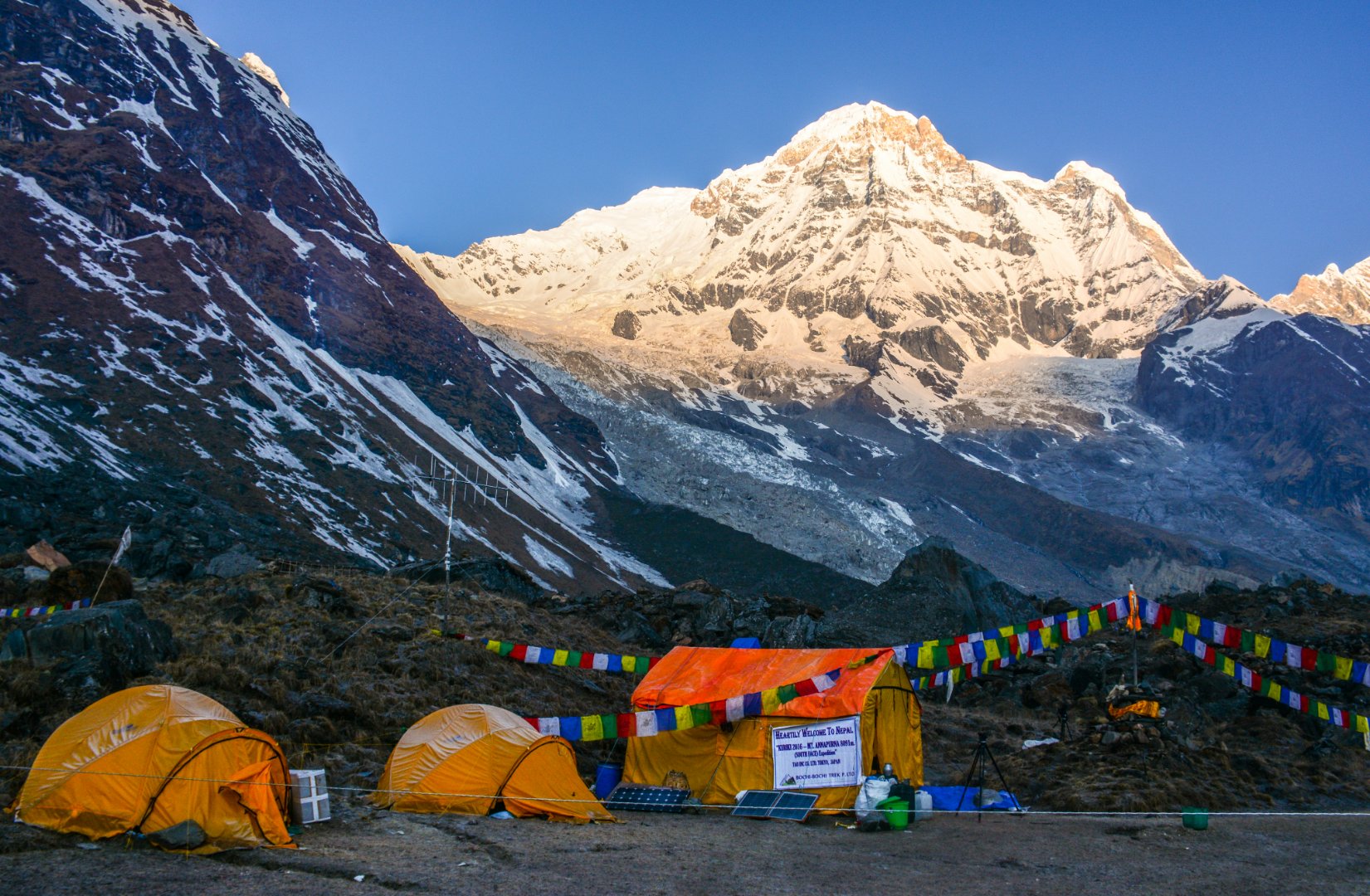
1. Annapurna Region (Annapurna Circuit, Annapurna Base Camp, Poon Hill, Mardi Himal)
The Annapurna region is the most popular trekking area in Nepal and has some of the best village homestays in the country. Communities in villages like Ghandruk, Landruk, and Chomrong are well known for welcoming trekkers into their homes.
You need two permits to enter this region:
Annapurna Conservation Area Permit (ACAP): NPR 3,000 for foreign trekkers, NPR 1,000 for SAARC nationals. This permit covers the entire Annapurna Conservation Area.
TIMS Card: NPR 2,000 for foreign independent trekkers, NPR 1,000 for SAARC nationals. Available only through a registered trekking agency.
Where to get them: Nepal Tourism Board offices in Kathmandu or Pokhara, or through your trekking agency.
Important note: Even short treks like the Poon Hill trek require both permits. You will pass through multiple checkpoints, so carry both permits at all times.
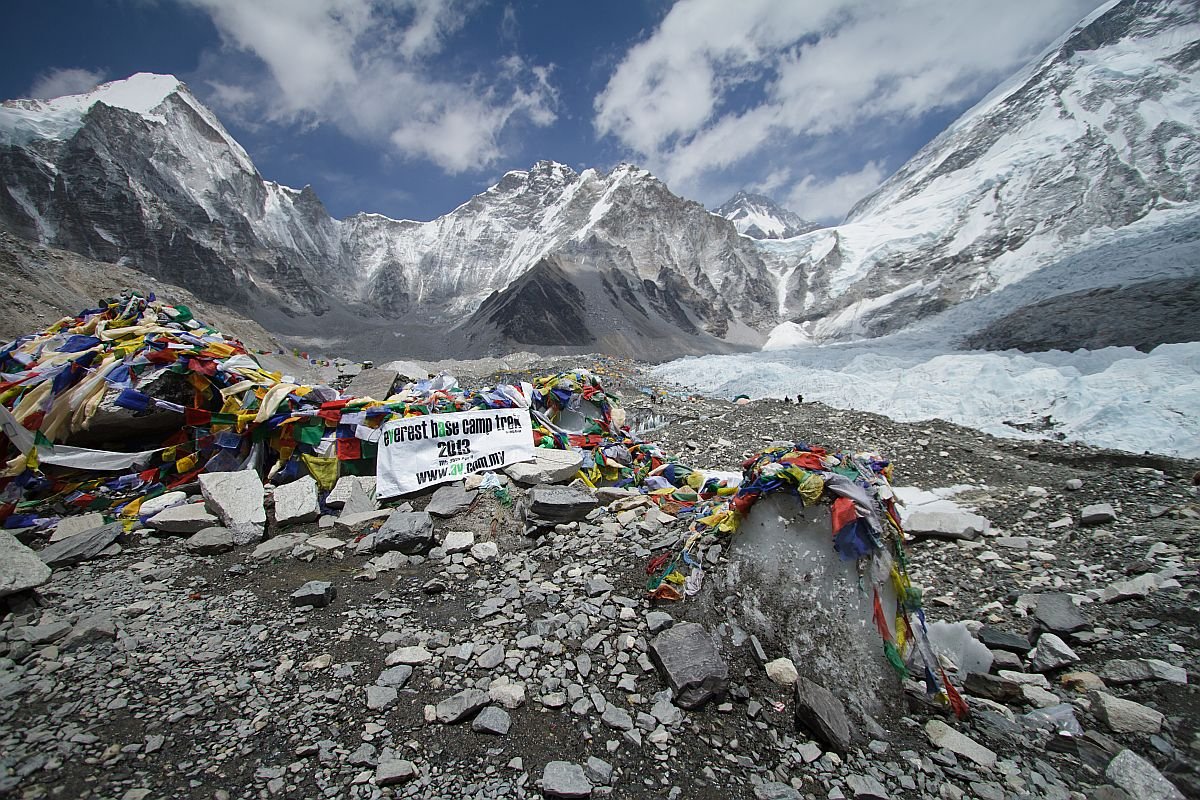
2. Everest Region / Khumbu (Everest Base Camp, Gokyo, Three Passes)
The Everest region offers some of the most talked-about homestays in Nepal, especially in Sherpa villages like Namche Bazaar, Khumjung, and Tengboche. Staying with a local Sherpa family here gives you a deeply personal look at mountain life.
The Khumbu region no longer uses the TIMS card system. Instead, you need:
Sagarmatha National Park Entry Permit: NPR 3,000 plus 13% VAT (approximately $28 USD) for foreign trekkers, NPR 1,500 for SAARC nationals. Get this in Kathmandu or at the Monjo entry point.
Khumbu Pasang Lhamu Rural Municipality Permit: NPR 2,000 to 3,000 per person for the first four weeks. This is collected at Lukla or Monjo in cash only, so carry enough Nepali rupees.
Where to get them: Sagarmatha National Park permit from the Nepal Tourism Board in Kathmandu, or at Monjo. The municipality permit is issued at Lukla or Monjo on arrival.
Important note: Card payments are not accepted for the municipality permit. Always carry cash.
3. Langtang Region (Langtang Valley, Gosaikunda, Helambu)
The Langtang region sits close to Kathmandu and is a favorite for trekkers who want a quieter experience with fewer crowds. Villages like Kyanjin Gompa and Langtang itself offer homestay options where you can connect with Tamang communities and their Buddhist culture.
You need:
Langtang National Park Entry Permit: NPR 3,000 for foreign trekkers, NPR 1,500 for SAARC nationals.
TIMS Card: NPR 2,000 for foreign independent trekkers, NPR 1,000 for SAARC nationals.
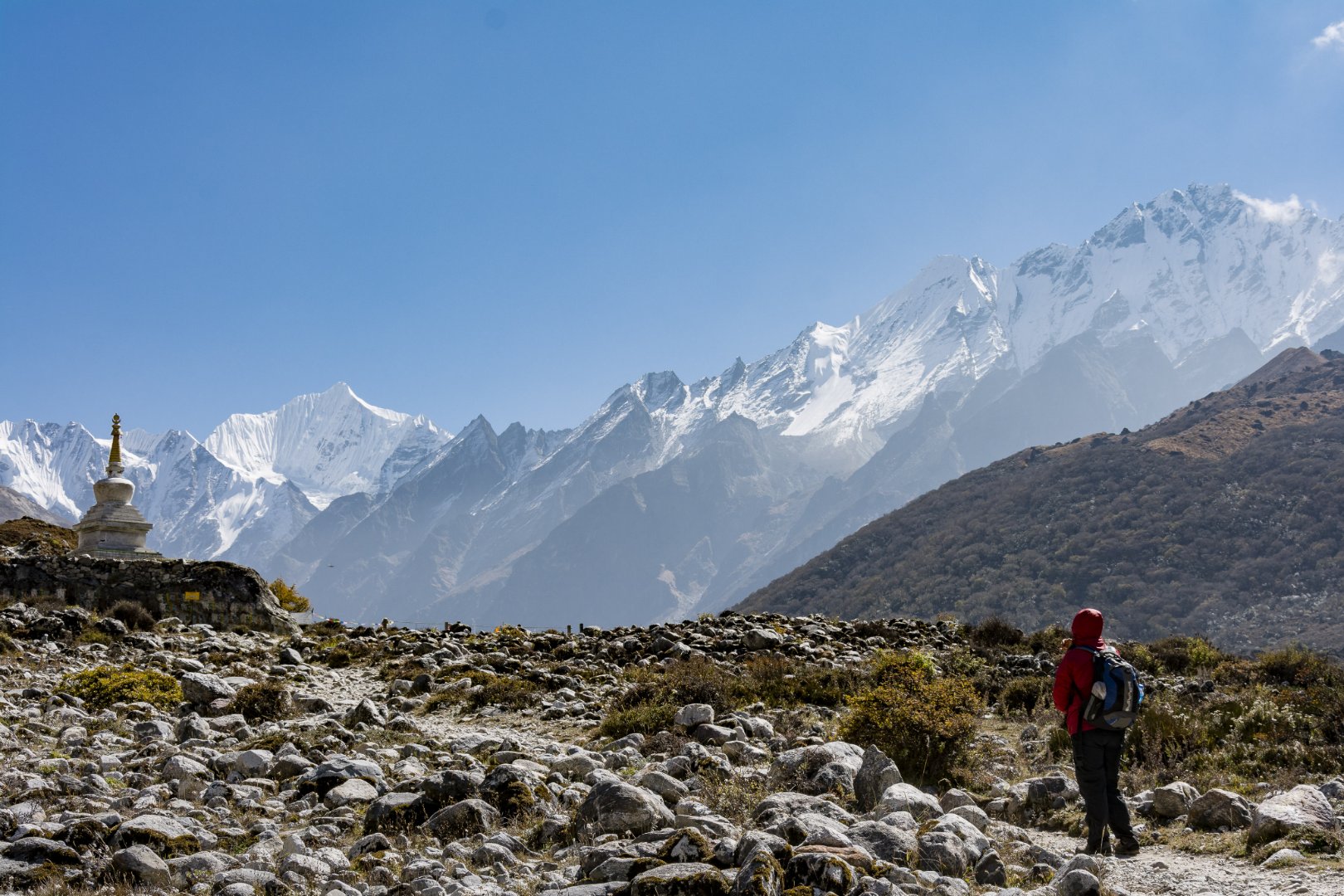
Where to get them: Nepal Tourism Board offices in Kathmandu, or through your registered trekking agency.
4. Manaslu Region (Manaslu Circuit, Tsum Valley)
The Manaslu Circuit is one of the most remote and rewarding treks in Nepal. Villages like Samagaun and Samdo offer basic but authentic homestays where you can sleep in Tibetan-influenced stone houses and share meals with local families.
This is a restricted area, which means stricter rules apply. You need:
Manaslu Conservation Area Permit (MCAP): NPR 3,000 for foreign trekkers, NPR 1,000 for SAARC nationals.
Manaslu Restricted Area Permit (RAP): USD 100 per person per week from September to November (peak season). USD 75 per person per week from December to August. Extra days cost USD 10 per day.
TIMS Card: NPR 2,000 for foreign trekkers, NPR 1,000 for SAARC nationals.
Chumnubri Rural Municipality Entry Fee: NPR 2,000 per person, collected at the starting point near Jagat or Philim. Cash only.
For Tsum Valley (within Manaslu): You also need a Tsum Valley Restricted Area Permit at USD 40 per week in peak season and USD 30 per week in off-season.
Extra rules: You must trek in a group of at least two people (not counting your guide). Solo trekking is strictly not allowed here, and a licensed guide is required.
5. Upper Mustang
Upper Mustang is one of Nepal's most magical and remote regions. Its ancient Tibetan kingdom landscape and cave monasteries attract trekkers who want something truly different. Homestays in villages like Lo Manthang give you access to a way of life that has changed very little over centuries.
This is one of Nepal's most regulated restricted areas, and it has the highest permit fees:
Upper Mustang Restricted Area Permit (RAP): USD 500 per person for the first 10 days. After that, USD 50 per person per day.
Annapurna Conservation Area Permit (ACAP): NPR 3,000 for foreign trekkers.
TIMS Card: NPR 2,000 for foreign trekkers.
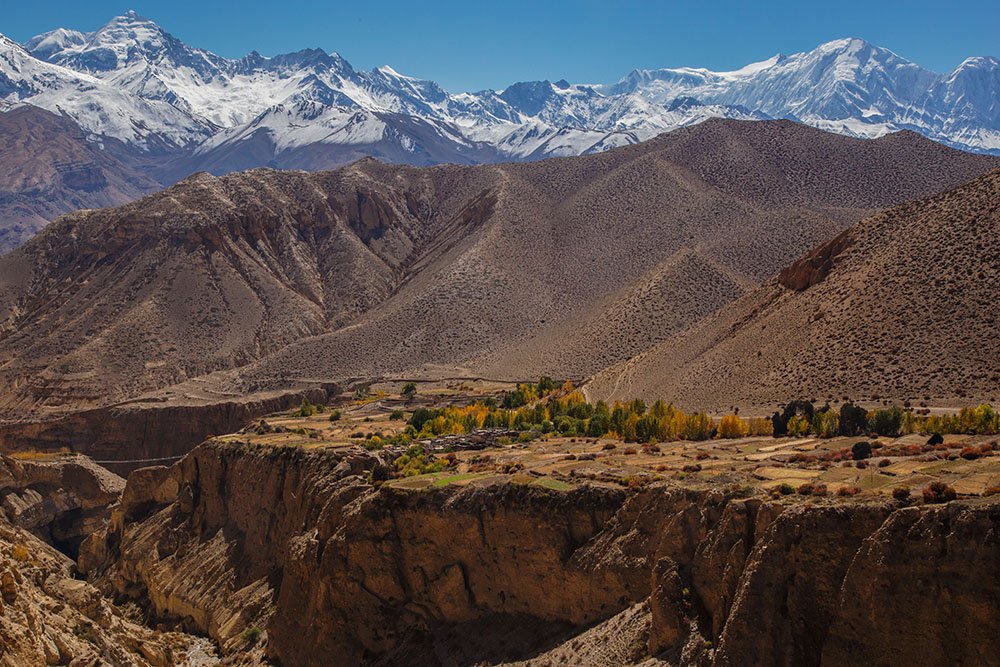
Extra rules: You must be in a group of at least two people and have a licensed guide. You cannot apply for the permit yourself. Your registered trekking agency must do it for you at the Department of Immigration in Kathmandu.
6. Upper Dolpo
Upper Dolpo is one of the most untouched and isolated regions in Nepal. Very few trekkers make it here each year, which makes the homestay experience extremely raw and authentic. Shey Gompa and the area around Phoksundo Lake are highlights.
You need:
Upper Dolpo Restricted Area Permit (RAP): USD 500 for the first 10 days. After that, USD 50 per day.
Shey-Phoksundo National Park Permit: Included or separate, depending on your route.
TIMS Card: NPR 2,000 for foreign trekkers.
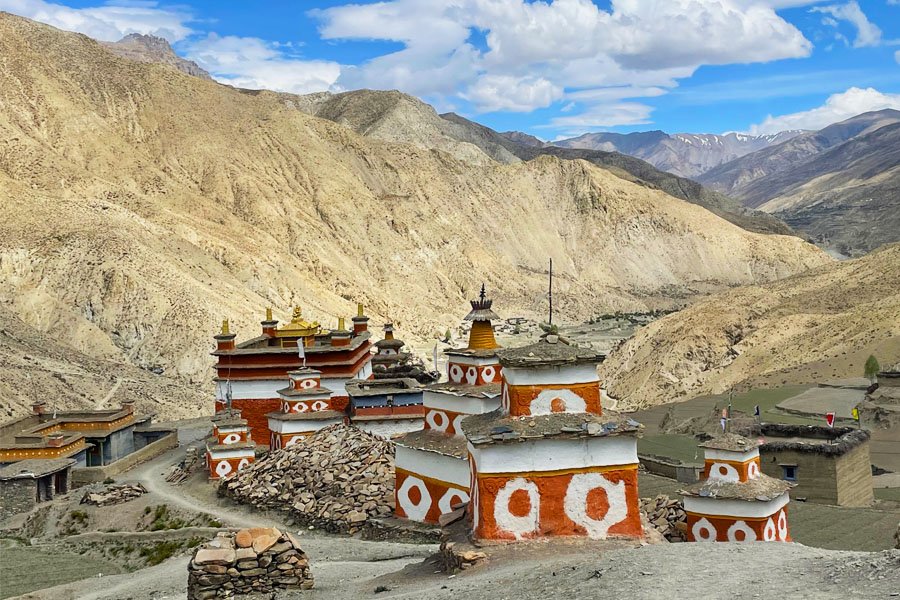
Extra rules: Same as Upper Mustang. You must trek in a group and have a guide. Agency application is required.
7. Kanchenjunga Region
The Kanchenjunga region in eastern Nepal is one of the least visited and most beautiful areas in the country. Community homestays here offer genuine mountain culture in a region that sees very few tourists each year.
You need:
Kanchenjunga Conservation Area Permit (KCAP): NPR 2,000 for foreign trekkers.
Kanchenjunga Restricted Area Permit (RAP): USD 20 per week.
TIMS Card: NPR 2,000 for foreign trekkers.
8. Nar Phu Valley
Nar Phu Valley is a hidden gem tucked behind the Annapurna massif. Its ancient Tibetan-style villages and near-complete isolation make it special for trekkers who want to go far off the beaten path. Homestay options are limited but deeply authentic.
You need:
Annapurna Conservation Area Permit (ACAP): NPR 3,000 for foreign trekkers.
Nar Phu Restricted Area Permit (RAP): USD 100 per week from September to November. USD 75 per week from December to August.
TIMS Card: NPR 2,000 for foreign trekkers.
Permit Fee Summary Table
Fees are subject to change. Always verify with the Nepal Tourism Board or your agency before your trek.
Where to Get Your Permits
Getting your permits is easier than it sounds, especially if you plan ahead. Here is how it works:
Nepal Tourism Board (NTB) offices in Kathmandu and Pokhara issue ACAP, MCAP, TIMS, and national park permits. These offices are located at Bhrikutimandap, Kathmandu and Damside, Pokhara.
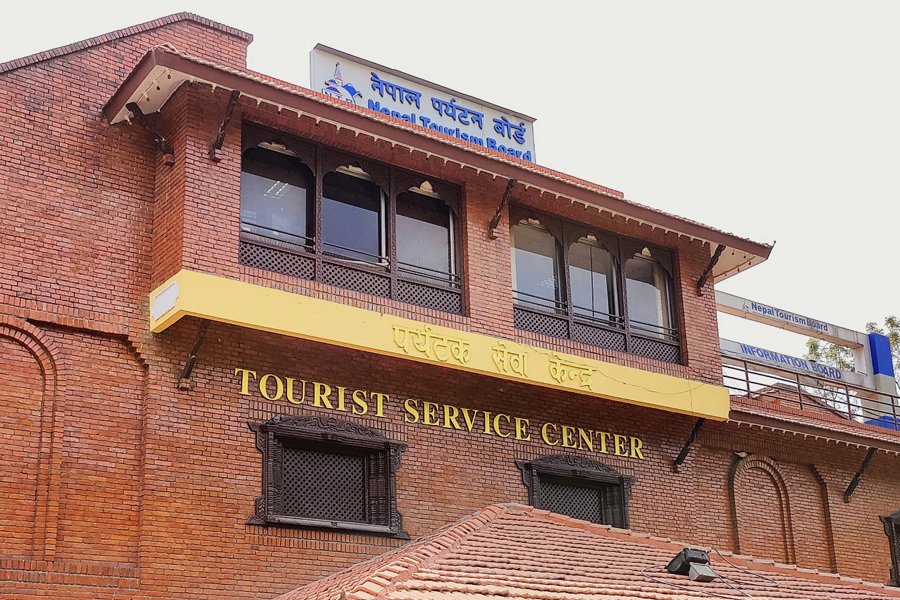
Department of Immigration, Kalikasthan, Kathmandu issues Restricted Area Permits (RAP) for Upper Mustang, Dolpo, Manaslu, Kanchenjunga, Nar Phu, and other restricted zones. You cannot apply here yourself. Your registered trekking agency must apply on your behalf.
At park entry points such as Monjo (Everest) or Besisahar (Annapurna), some permits can also be obtained, but the price is often higher than in the city.
Through your registered trekking agency, which is the easiest and most recommended option. They handle the paperwork, know the current requirements, and make sure nothing is missed.
Pro tip: Always carry physical printed copies of every permit, even if you have digital copies. Many checkpoints in remote areas do not have reliable internet, and a phone screen may not be accepted.
Documents You Need to Get Your Permits
Before you go to the permit office or send your agency to apply for you, make sure you have the following ready:
Your original passport (valid for at least 6 months)
Several passport-sized photos (bring at least 4 to be safe)
Proof of helicopter evacuation insurance above 4,000 meters
Your Nepal visa
Details of your planned trekking route and dates
Tips for Homestay Trekkers Specifically
Staying at a local family homestay is a wonderful way to experience Nepal up close. Here are a few extra things to keep in mind as a homestay trekker when it comes to permits:
Your homestay host cannot get your permit for you. Permits must be arranged by you or your registered trekking agency before you enter the region.
Carry cash in Nepali rupees. Local municipality fees like the Khumbu entry fee and the Manaslu Chumnubri fee are cash only, and there are no ATMs on the trails.
Your permits must match your route. If you plan to cross from Manaslu into the Annapurna area, you need both MCAP and ACAP. If your route changes on the trail, you may need to update your permits.
Always check for the latest fees. Permit costs in Nepal change regularly. The figures in this guide are accurate as of early 2026, but you should always confirm with the Nepal Tourism Board or your agency before you depart.
Keep permits accessible throughout your trek. You will be asked to show them at multiple checkpoints along the trail.
Frequently Asked Questions (FAQ)
Do I still need a permit if I am only staying in a homestay and not camping?
Yes, you do. Permits are required to enter the trekking region, not just to use national park facilities. Whether you sleep in a homestay, a teahouse, or a tent, you must have the correct permits for the area.
Can I get my permits after arriving in Nepal?
Yes, you can get most permits after arriving in Nepal, either from the Nepal Tourism Board offices in Kathmandu or Pokhara, or through your trekking agency. However, restricted area permits like Upper Mustang and Dolpo must be arranged before you travel to those regions, as they can take a day or two to process.
Is the TIMS card still required in 2026?
The TIMS card is still required in most major trekking regions like Annapurna, Langtang, and Manaslu. However, the Khumbu (Everest) region has replaced the TIMS card with a local municipality permit. TIMS is also not needed in some restricted areas where you get a Restricted Area Permit instead. You can only get a TIMS card through a registered trekking agency, not directly from the tourism board.
Can I trek alone if I am staying in homestays?
No. Solo trekking is banned in Nepal as of 2026. You must hire a licensed guide through a registered trekking agency, regardless of where you sleep. In restricted areas like Manaslu and Upper Mustang, you also need to be in a group of at least two trekkers.
What happens if I am caught without a permit?
You will be fined on the spot. The penalty for trekking without a permit can be NPR 12,000 or more, and officials may turn you back and not allow you to continue your trek.
Are permits free for children?
Children under 10 years old are generally exempt from paying permit fees. However, this can vary by region and permit type, so always confirm with your trekking agency.
Where do the permit fees go?
Permit fees are shared between the national government, conservation organizations like the National Trust for Nature Conservation, and local rural municipalities. A portion directly supports trail maintenance, waste management, and community development in the areas you are visiting.
Company Admin
Travel writer sharing authentic stories and experiences from Nepal's beautiful homestays.