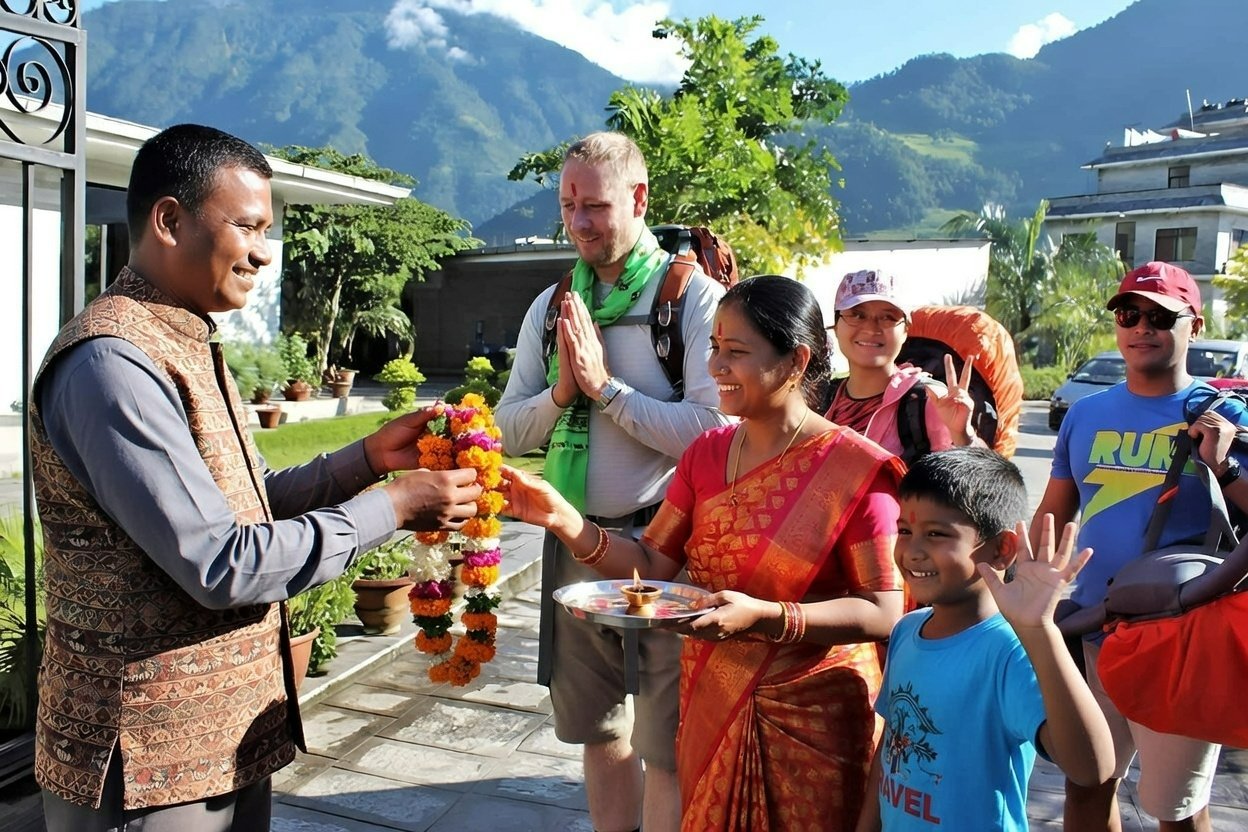
Staying with a Nepali host family? These 21 actually useful Nepali phrases for homestay guests go beyond “Namaste.” Learn what to say at the dinner table, how to ask for help, and the small words that turn a simple stay into a real connection.
Key Takeaways
You do not need to be fluent in Nepali to make a strong impression at a homestay.
These 21 phrases cover greetings, meals, help requests, and real conversation.
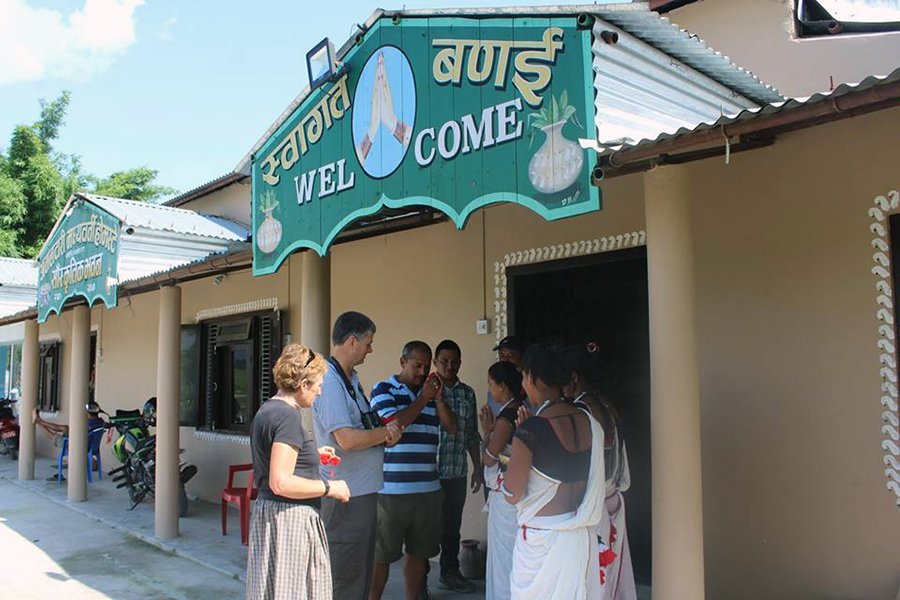
Every phrase below includes the Nepali text, how to say it, and when it actually fits.
A few of these words said at the right moment will matter more than you expect.
Introduction
Your host sets down a steaming plate of dal bhat and watches your face as you take the first bite. She has been cooking since early morning. The whole family is waiting.
You panic. The only Nepali word you know is "Namaste."
This is the moment most homestay guests are never prepared for. The awkward silence after the food arrives. The smiling and nodding that goes on for three days because you do not know how to say anything else.
This guide is the fix. These are 21 Nepali phrases that actually come up during a homestay, chosen for how naturally they fit real village situations, not just how they look in a phrasebook. You will get the phrase, how to say it, and the exact moment to use it.
Inside this guide:
Greetings your host will recognize and appreciate
Food phrases (the ones that matter most at the table)
Phrases for asking for help without feeling lost
Words to build a conversation that goes further than smiling
A Quick Note on Pronunciation Before You Start
Nepali uses sounds that do not exist in English, so these notes will help you get close enough to be understood.
"Chha" sounds like the "ch" in "church" followed by a short puff of air. You will see it at the end of many phrases. "Cha" (without the extra "h") is softer and more casual. Both are used throughout this guide.
"Bh" sounds like a breathy "b," not an "f." Long vowels like "aa" are held slightly longer than a regular "a." When you see capital letters in the pronunciation guide, that is the syllable to stress. Do not worry about being perfect. Getting close is more than enough.
Why Even a Few Words Change the Whole Stay
At a homestay in a rural village, your host may speak little or no English. So few foreign guests make any effort with Nepali that when you do, it almost always surprises people. Hosts laugh, relax, and open up in a way that does not happen when everything stays in English.
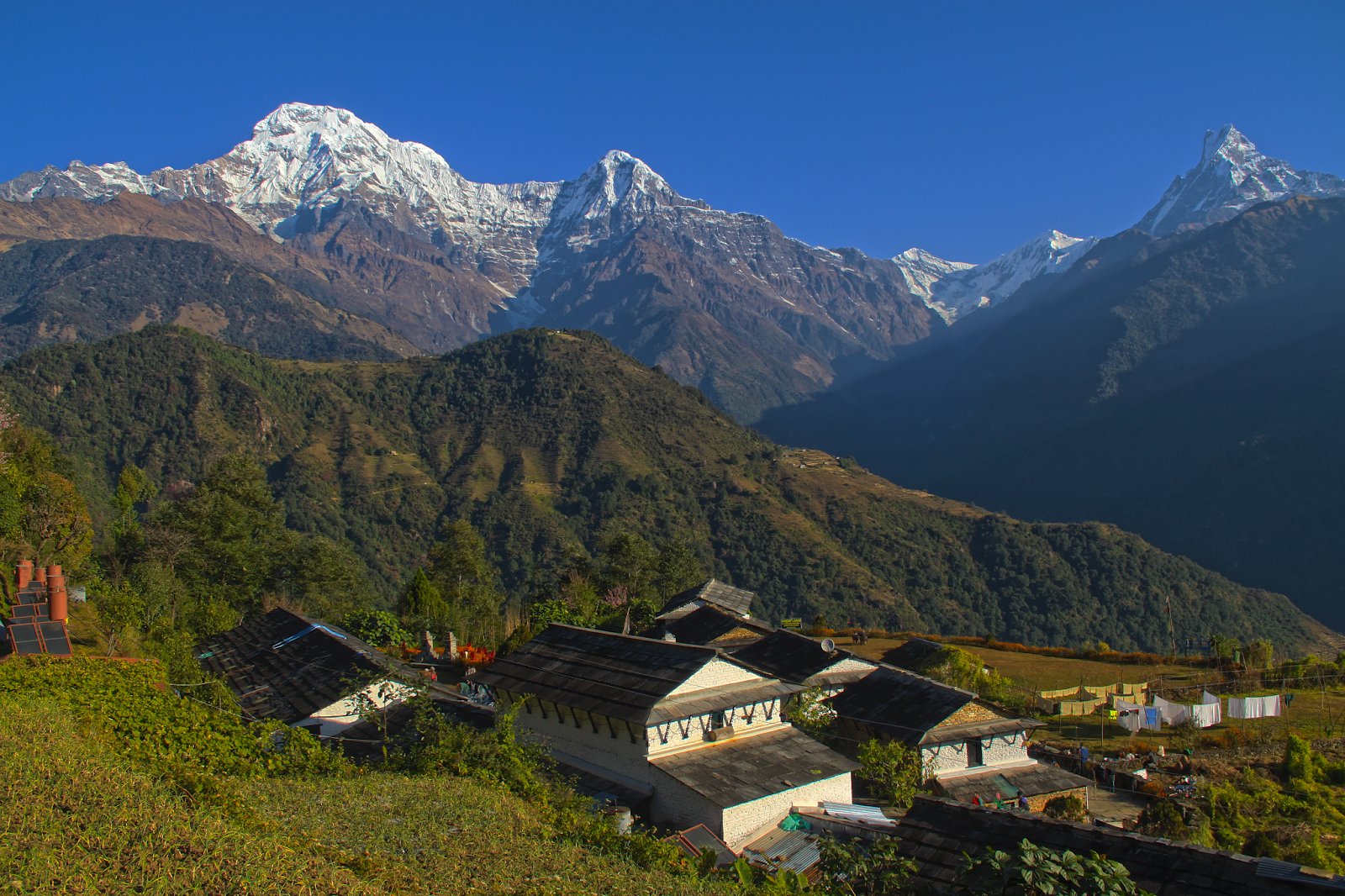
It also shows something simple: that you are paying attention. You chose a homestay over a hotel for a reason. These phrases are how you act on that.
The 21 phrases below are grouped by situation so you can find what you need quickly.
A Real Moment: What Happens When You Try
A traveler staying in a village homestay near Bandipur sat down for her first dinner. The family had cooked a large meal and was watching quietly. She had practiced one line before the trip. After her first bite she looked up and said: "Dherai mitho cha."
It was very delicious.
The grandmother burst out laughing, then repeated it back to her with a huge smile. The grandfather came in from the next room to see what had happened. Within ten minutes, the whole family was at the table talking, teaching her more words, and refilling her plate three times.
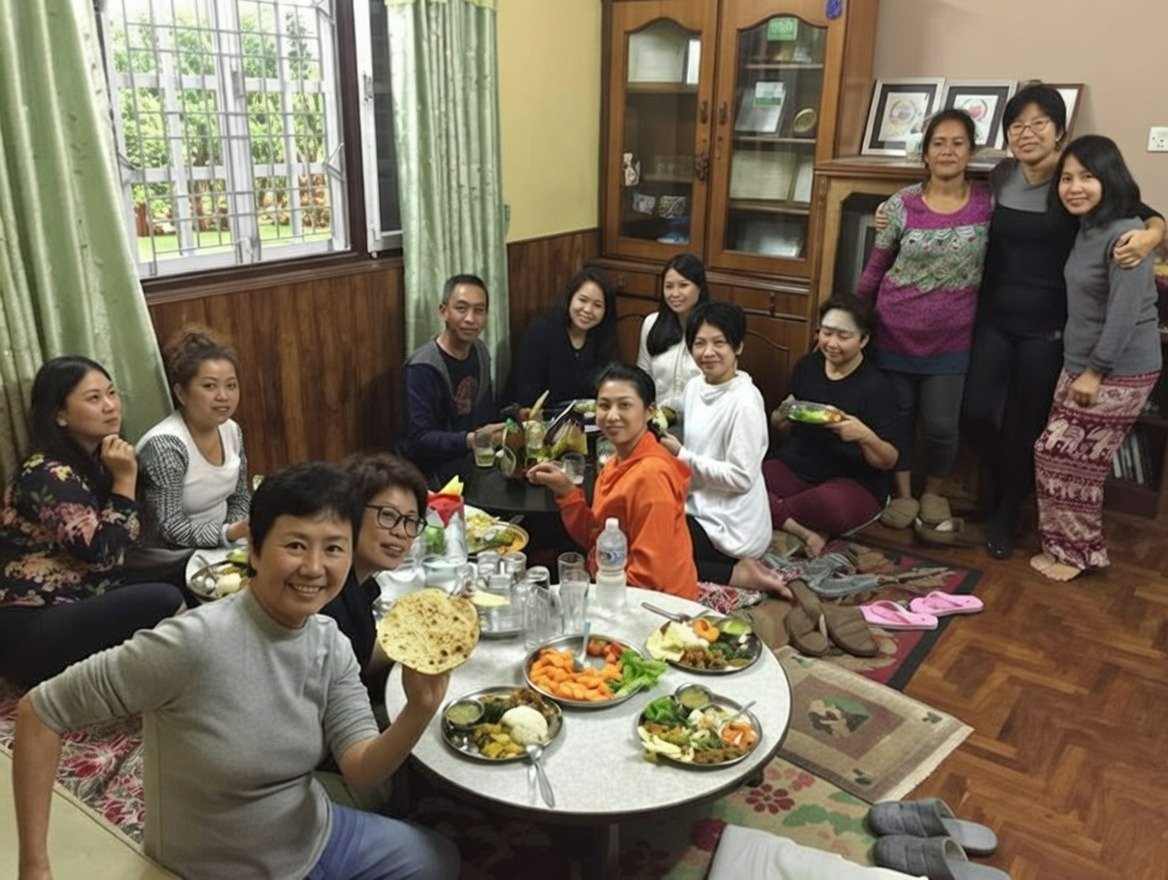
She said later it was the best meal of the trip. Not because of the food, but because of that one sentence.
That is what these phrases do.
Section 1: Greetings and First Impressions (Phrases 1 to 5)
Your first few minutes at a homestay set the tone for the days ahead. These phrases help you arrive with confidence and show your host that you have made some effort before walking through the door.
1. Namaste (नमस्ते)
How to say it: Nah-mah-STAY
What it means: Hello / Greetings
When to use it: Use this every time you meet someone, whether it is morning, afternoon, or evening. You can also use it as a goodbye. Press your palms together lightly when you say it for extra warmth.
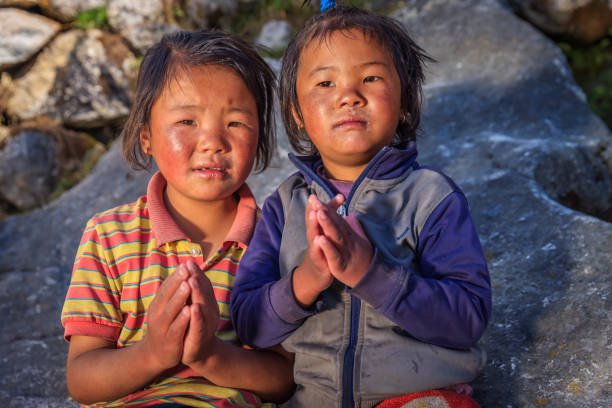
Namaste works with anyone you meet in Nepal. It fits every age, every setting, and every time of day. When in doubt, this is always the right word.
2. Tapaaiko naam ke ho? (तपाईंको नाम के हो?)
How to say it: Tah-PAA-ee-ko naam KAY ho
What it means: What is your name?
When to use it: Use this when you first meet the family and want to learn everyone's names. It is a natural first step that shows you want to know people, not just stay in their house.
3. Mero naam ___ ho. (मेरो नाम ___ हो।)
How to say it: MAY-ro naam ___ ho
What it means: My name is ___
When to use it: Right after asking for their name, introduce yourself. Fill in the blank with your own name. The exchange feels complete when both sides go back and forth.
4. Tapaaiko ghar raamro cha. (तपाईंको घर राम्रो छ।)
How to say it: Tah-PAA-ee-ko ghar RAAM-ro chha
What it means: Your home is beautiful.
When to use it: Say this when you first arrive and see the home. Nepali families care deeply about their homes, and this compliment lands better than most guests expect.
5. Ma ___baata aaeko ho. (म ___ बाट आएको हो।)
How to say it: Ma ___-BAA-tah AH-ay-ko ho
What it means: I come from ___.
When to use it: Tell your host where you are from. They will almost always ask, and having it ready in Nepali turns a simple exchange into a conversation.
Quick Reference: Greetings (Phrases 1 to 5)
Section 2: Polite Words and Food Phrases (Phrases 6 to 14)
In Nepali culture, how you say something matters as much as what you say. The four polite words below cost almost nothing to learn but signal clearly that you respect the people around you. The food phrases that follow are the ones most likely to change the atmosphere at the dinner table.
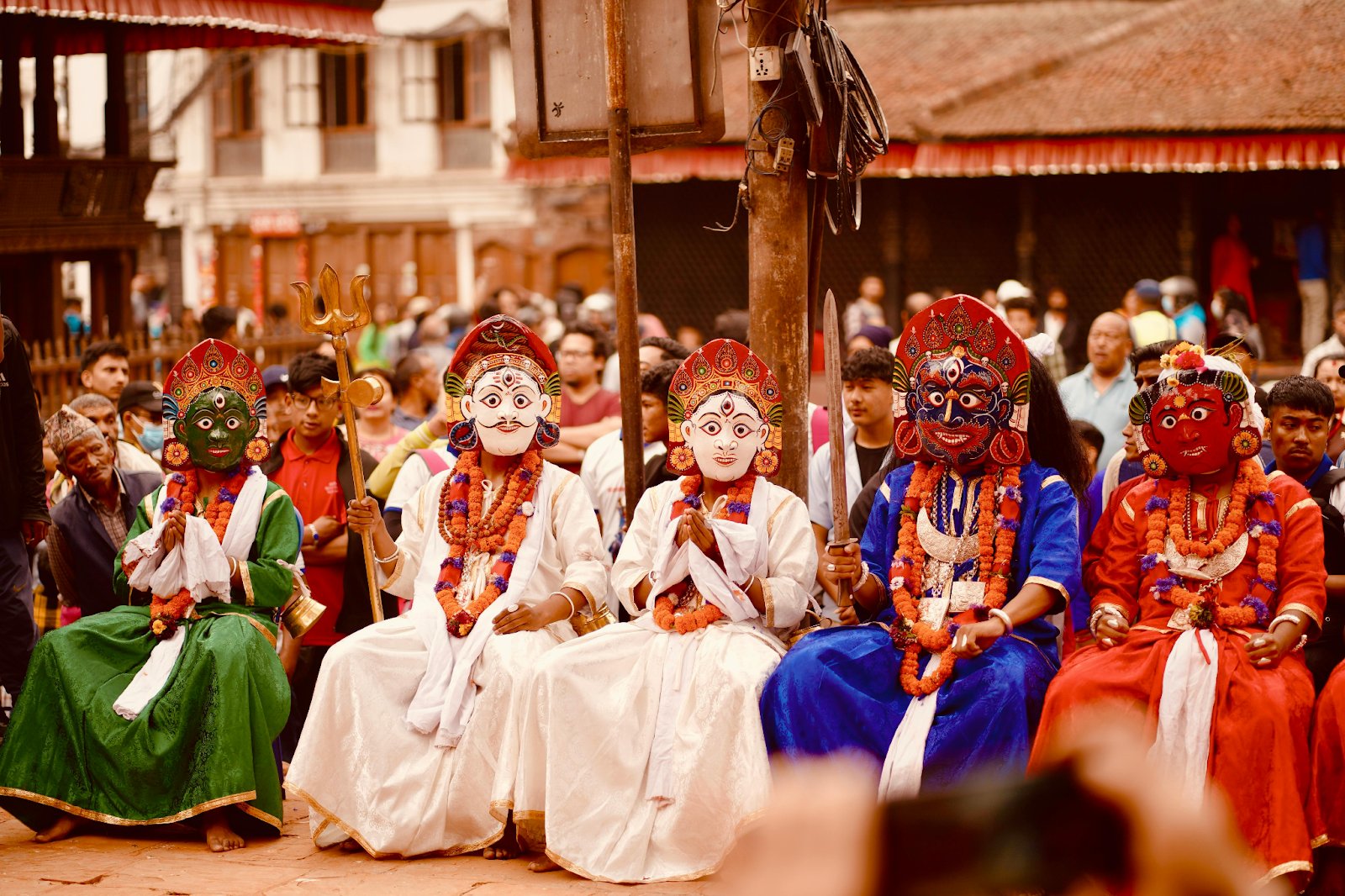
Nepali people pay close attention to how guests behave with elders. Using even one or two of these words at the right moment is more than a long conversation in English.
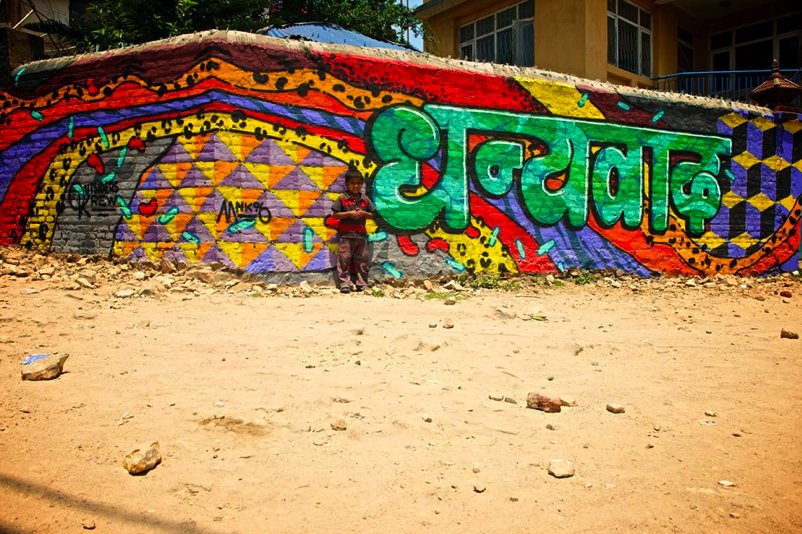
6. Dhanyabaad (धन्यवाद)
How to say it: Dhan-YAH-baad
What it means: Thank you
When to use it: Say this every time someone does something for you, whether they bring tea, show you your room, or help you with directions. Add "Dherai" before it to say "Thank you very much."
7. Maaf garnus (माफ गर्नुस्)
How to say it: MAAF gar-nus
What it means: I am sorry / Please excuse me
When to use it: Use this when you make a small mistake or need to get someone's attention politely. It is also useful in a crowded space when you need to move past someone.
8. Hajur (हजुर)
How to say it: Hah-JOOR
What it means: Yes (respectful) / I am listening
When to use it: Say Hajur to get someone's attention respectfully. It is used on phone calls instead of "hello" and is considered polite in most situations.
9. Thik cha (ठिक छ)
How to say it: THEEK chha
What it means: Okay / It is fine
When to use it: One of the most useful phrases in daily Nepali life. Use it to agree, confirm, or show that something is fine. If your host asks whether the room is comfortable, "Thik cha" covers it.
10. Khana khaanu bhayo? (खाना खानु भयो?)
How to say it: KAA-nah KAA-nu BHA-yo
What it means: Have you eaten?
When to use it: In Nepal, this question works the same way "How are you?" does in English. It is a warm check-in. You can ask this to your host in the evening, or respond with "Khaaey" (I have eaten) when they ask you.
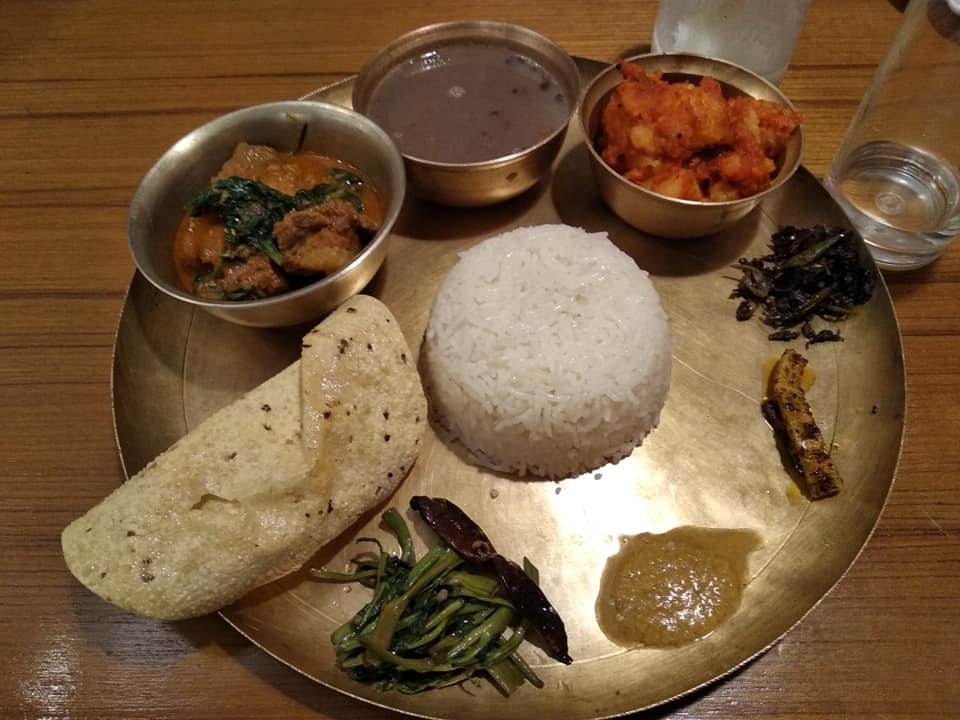
Note: This phrase works best when said to your host or to someone you are on friendly terms with. It fits the homestay setting well when used casually, not formally.
11. Mitho cha! (मिठो छ!)
How to say it: MEE-tho chha
What it means: It is delicious!
When to use it: Say this while you are eating. This is the single phrase most likely to make your host light up. You do not need to wait until the end of the meal. Say it early and mean it.
12. Dherai mitho cha! (धेरै मिठो छ!)
How to say it: DAY-ray MEE-tho chha
What it means: It is very delicious!
When to use it: The stronger version of Mitho cha. Use this when the food is so good you want the cook to really know. "Dherai" just means "very," so this is easy to remember.
13. Alikati matra dinus. (अलिकति मात्र दिनुस्।)
How to say it: AH-lee-kah-tee MAH-trah dee-nus
What it means: Just a little, please.
When to use it: When your host offers more food and you want some but not a full portion, say this. It lets you accept politely without taking more than you can eat.
14. Pugyo, dhanyabaad. (पुग्यो, धन्यवाद।)
How to say it: POO-gyo, dhan-YAH-baad
What it means: I am full, thank you.
When to use it: Say this when you are done eating. It is clearer and more respectful than shaking your head or covering your plate, and your host will understand immediately.
Quick Reference: Polite Words and Food Phrases (Phrases 6 to 14)
Section 3: Help, Directions, and Real Conversation (Phrases 15 to 21)
Inside a village homestay, you will sometimes need to find something, ask for directions, or signal that you do not understand. You will also have moments where you want to go beyond small talk. These phrases handle both.
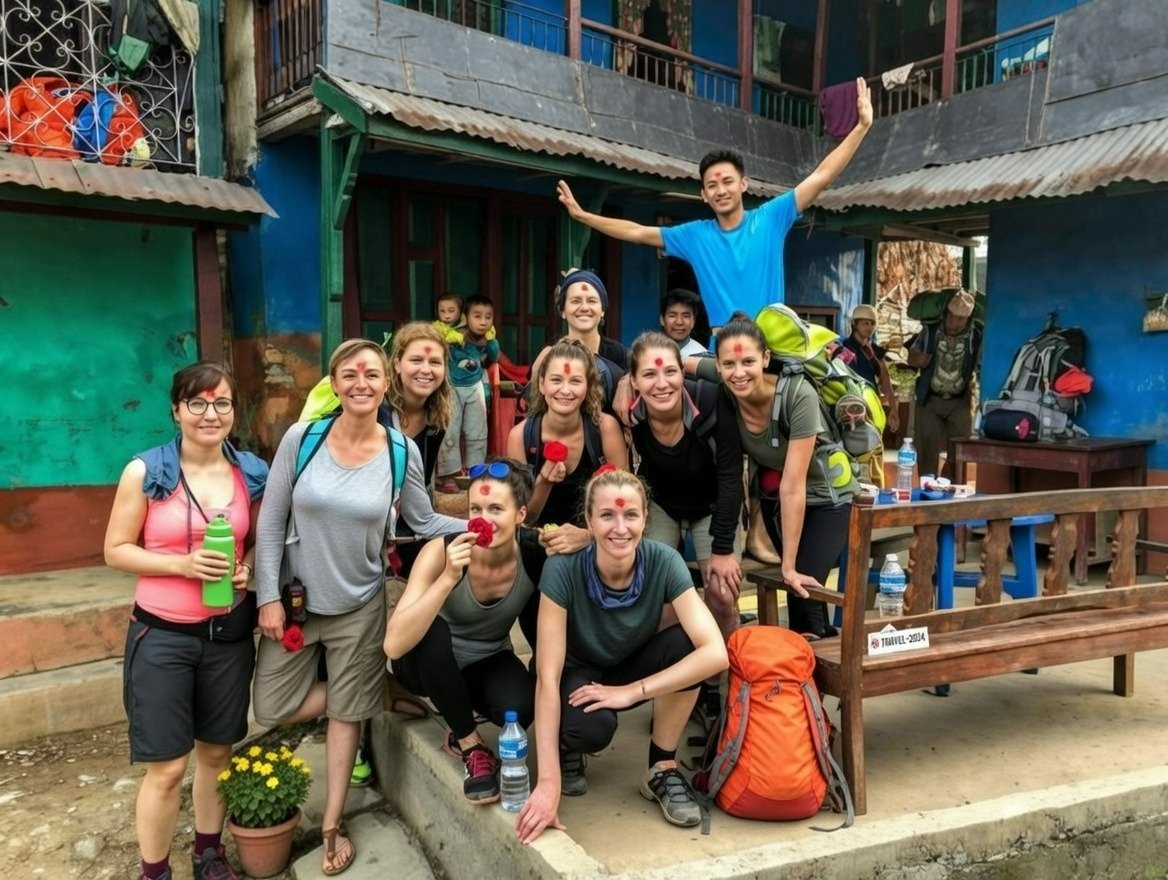
Locals are almost always happy to help when you ask clearly and with a friendly tone, and hosts are usually very glad when a guest shows genuine curiosity about their lives.
15. ___ kahaa cha? (___ कहाँ छ?)
How to say it: ___ kah-HAAN chha
What it means: Where is ___?
When to use it: Fill in the blank with whatever you are looking for. "Shauchalaya kahaa cha?" means "Where is the bathroom?" This is one of the most useful sentence patterns in the guide because you can swap in almost any word.
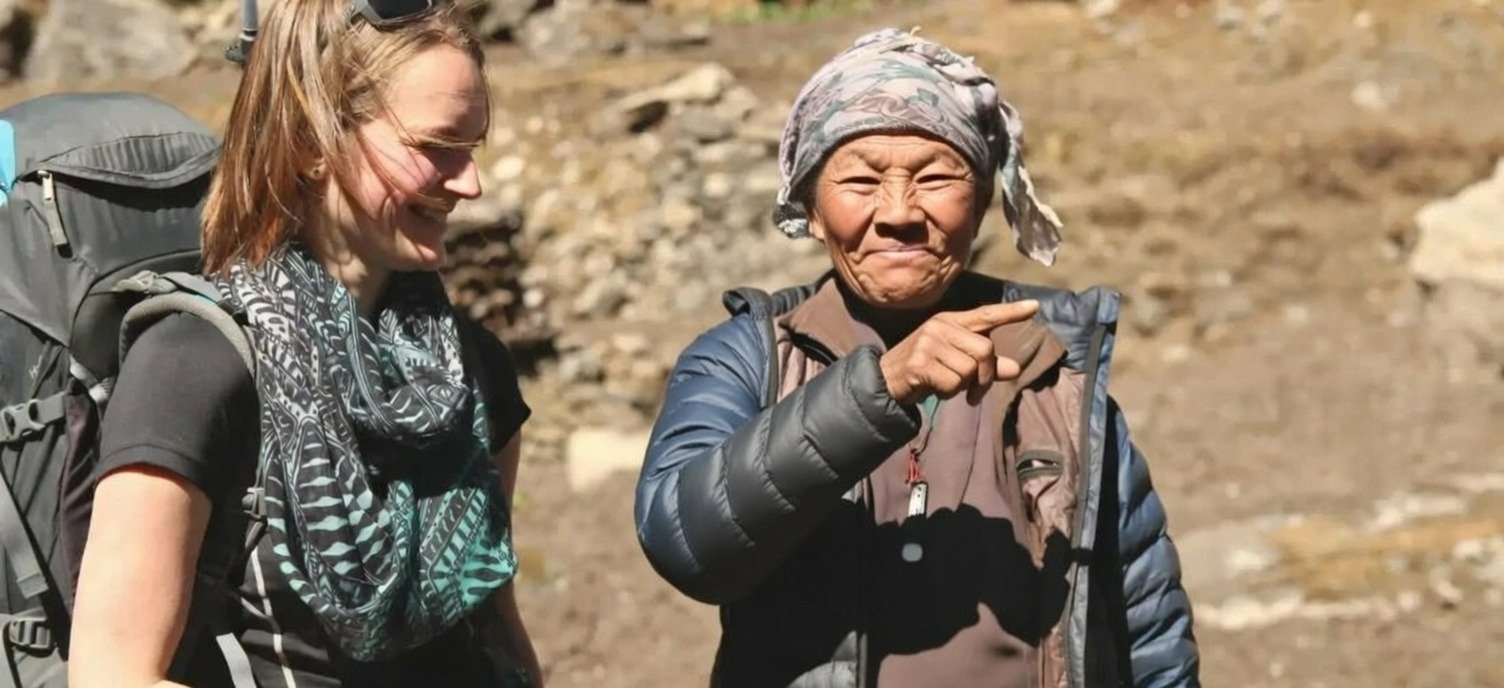
16. Ma Nepali bujhdina. (म नेपाली बुझ्दिन।)
How to say it: Ma neh-PAA-lee BOOJ-dee-nah
What it means: I do not understand Nepali.
When to use it: When someone speaks to you quickly and you have lost the thread, say this. It is honest, and your host will usually slow down or try a different way to explain.
17. Yo ke ho? (यो के हो?)
How to say it: Yo KAY ho
What it means: What is this?
When to use it: Use this at the dinner table when a dish looks unfamiliar, or any time you want to know what something is. It is also a natural way to start learning new Nepali words directly from your host.
18. Yo thau raamro cha. (यो ठाउँ राम्रो छ।)
How to say it: Yo THOW RAAM-ro chha
Pronunciation note: "Thau" rhymes with "cow." It means "place."
What it means: This place is beautiful. When to use it: Say this when you are looking at a view, a rice field, or the village at sunrise. It tells your host that you see the value in where they live, not just where you are passing through.
19. Tapaaiile ke kaam garnu huncha? (तपाईंले के काम गर्नु हुन्छ?)
How to say it: Tah-PAA-ee-lay KAY kaam GAR-nu hun-cha
What it means: What do you do for work?
When to use it: Many rural homestay hosts are farmers, teachers, or craftspeople with interesting lives. This question shows you want to know about their daily world, and most hosts are very glad someone asked.
20. Didi / Dai / Aama / Buwa
How to say them:
Didi = DEE-dee (older sister)
Dai = DAH-ee (older brother)
Aama = AA-mah (mother / older woman)
Buwa = BOO-wah (father / older man)
When to use them: You do not need to be speaking to an actual family member. In Nepal, these words are used between friends and acquaintances to signal warmth and closeness. Calling your host "Aama" or the eldest son "Dai" is one of the simplest ways to make someone feel seen.
21. Pheri bhetaula. (फेरि भेटौला।)
How to say it: FEH-ree bhet-OW-lah
What it means: We will meet again.
When to use it: Say this when you leave. It is a warmer goodbye than just waving, and it leaves your host with the feeling that you are not just passing through. Many guests report that this phrase, said at the door, brought their host family to tears.
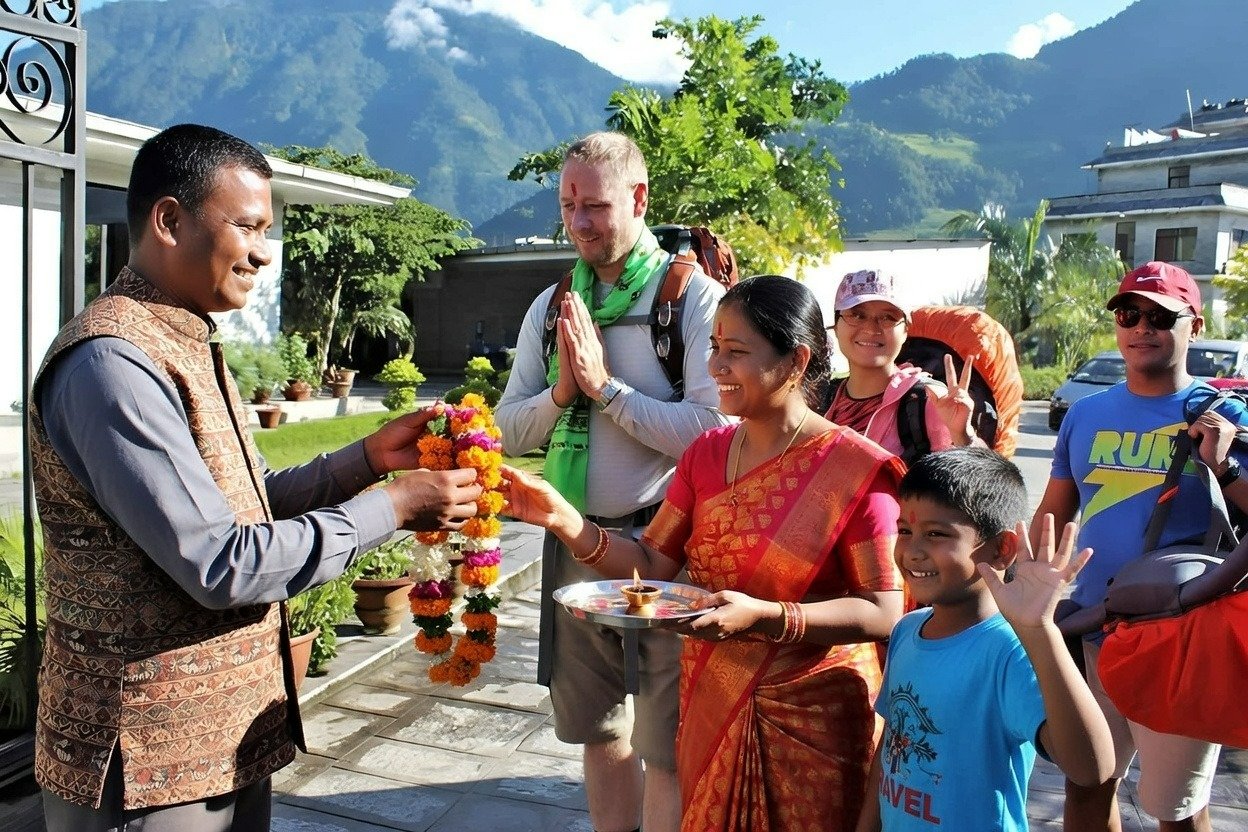
Quick Reference: Help, Directions, and Conversation (Phrases 15 to 21)
Common Mistakes to Avoid at a Nepal Homestay
Even guests with the best intentions sometimes do things that feel awkward without knowing it. These are the four most common ones.
Always use your right hand, or both hands, when giving or receiving anything, because the left hand is considered unclean in Nepali culture.
Never step over someone's legs if they are sitting on the floor, as this is considered disrespectful, especially toward elders.
Be mindful of where your feet are pointing when you sit, since pointing the sole of your foot toward someone is considered rude.
If you cannot eat something, explain why rather than refusing silently, and try at least a small amount of everything when you can.
Final Thoughts: A Few Words Leave a Lasting Impression
Picture your last morning at the homestay. Your bag is packed. The family is standing at the door, and there is that familiar moment where no one quite knows how to say goodbye.
Then you press your palms together, look at your host's mother, and say: "Dherai dhanyabaad, Aama. Pheri bhetaula." Thank you very much. We will meet again.
She does not speak English. But she understood every word. And the look on her face is something you will carry home with you.
That is what 21 phrases and a few days of practice can do. Not fluency. Not a language course. Just the right words, at the right moment, said with enough care to matter.
If you found this guide helpful, here are two more resources to help you prepare for your Nepal homestay:
Check out our guide to the best Nepal homestay regions for first-time travelers to find the right location for your trip.
Read our Nepal packing list to make sure you arrive fully prepared for village life.
FAQ: Nepali Phrases for Homestay Guests
Do I need to speak fluent Nepali for a Nepal homestay?
No, you do not need to be fluent at all. Even a handful of phrases is enough to make your host smile and feel respected. Most homestay hosts in tourist areas also have some basic English. The effort you make to speak Nepali matters far more than how correctly you say the words.
What is the most important Nepali phrase for a homestay guest?
"Namaste" is the one phrase you will use every day, with every person you meet. After that, "Dhanyabaad" (thank you) and "Mitho cha" (it is delicious) are the two phrases that will earn you the most warmth at a homestay.
Is it rude to refuse food at a Nepal homestay?
It can come across as rude if you refuse without explaining why. Use "Alikati matra dinus" if you want just a small amount. Always say "Dhanyabaad" even when you cannot eat something, so your host knows you appreciate the gesture.
How do Nepali people greet each other?
The most common greeting is "Namaste," said with palms pressed together. For elders or people deserving extra respect, "Namaskar" is more appropriate. Both work across all ethnic groups and regions of Nepal.
Can I use Hindi phrases in Nepal?
Hindi and Nepali share the same script and come from the same language family, so some words overlap. However, Nepali is its own language, and using Nepali phrases will earn you far more appreciation from your hosts. Nepali people are proud of their language, and making the effort to use it shows clearly.
What does "Mitho cha" mean in Nepali?
"Mitho cha" means "It is delicious." Say it while you are eating. If you want to say the food is very delicious, say "Dherai mitho cha." After you finish the meal, you can say "Mitho thiyo" to tell your host it was delicious.
How do I say thank you in Nepali?
"Dhanyabaad" is the standard way to say thank you. "Dherai dhanyabaad" means "Thank you very much." Pressing your palms together while you say it adds warmth and shows you mean it.
Company Admin
Travel writer sharing authentic stories and experiences from Nepal's beautiful homestays.