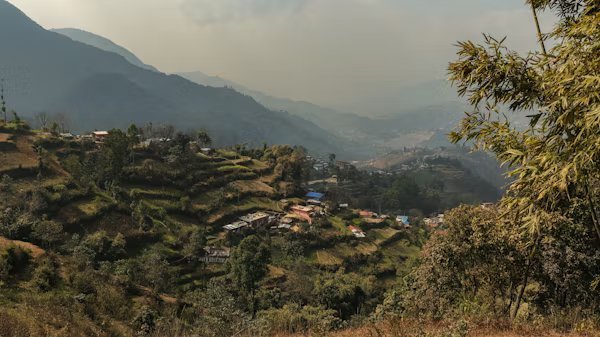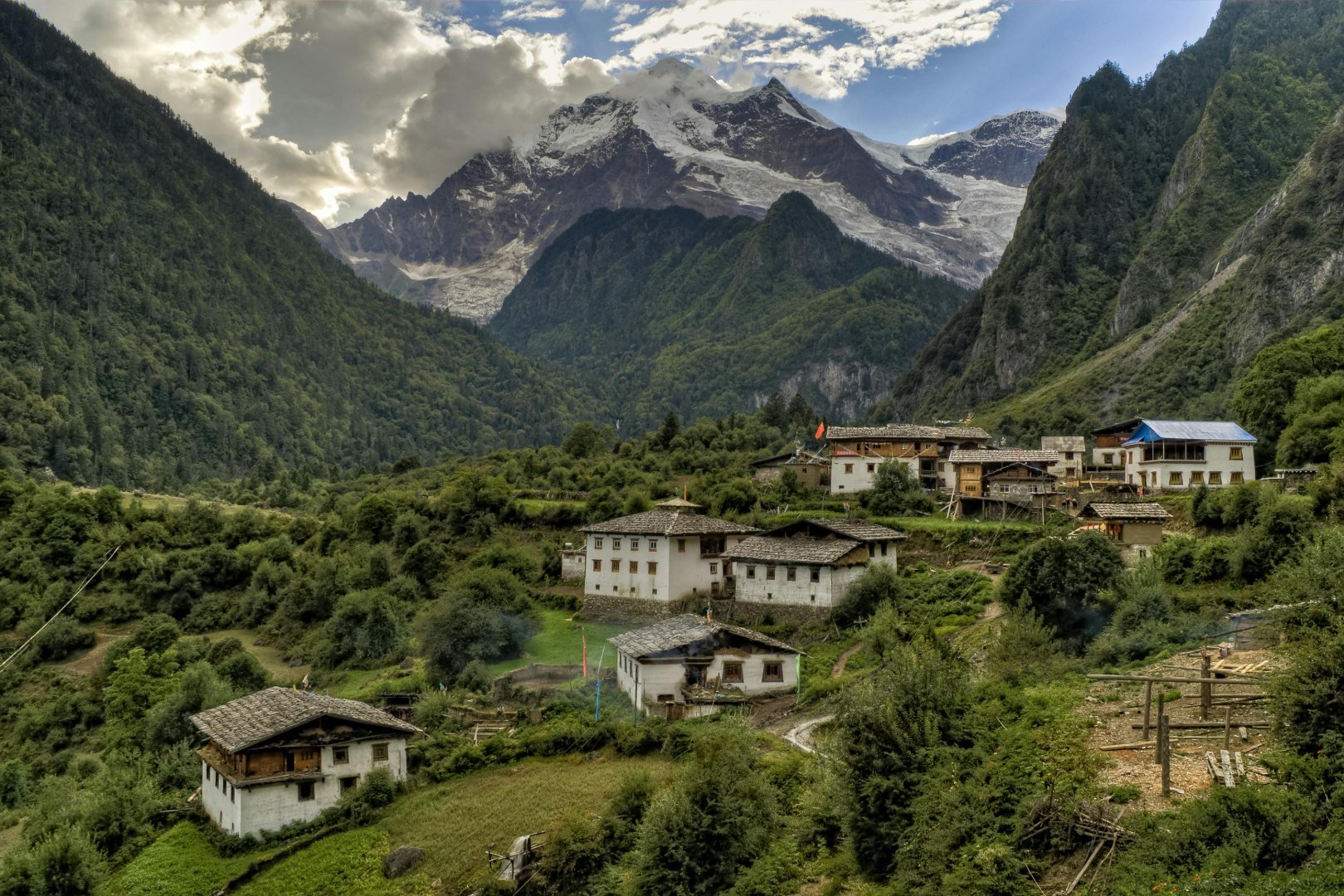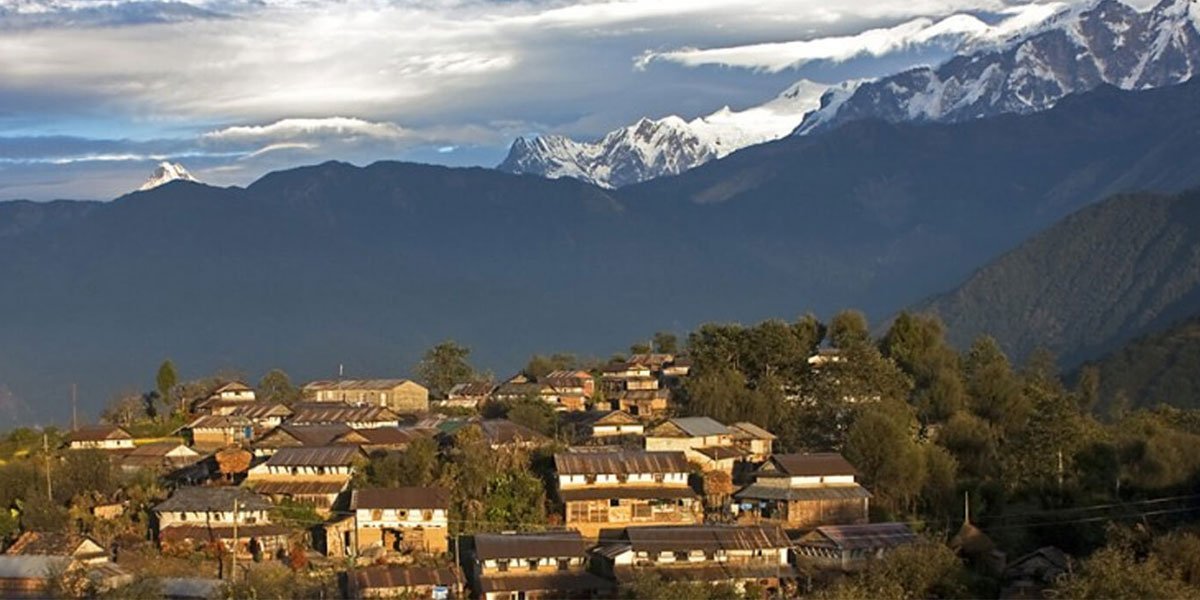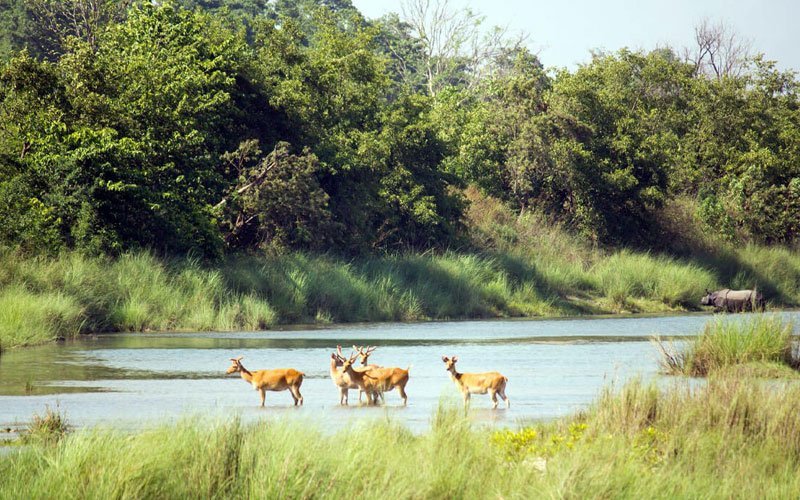
Staying in a rural homestay in Nepal is one of the most genuine ways to experience the country. You live with local families, eat traditional food, and see how people live in the mountains and countryside. But village life is very different from city hotels. You may have limited electricity, no Wi-Fi, and basic facilities. That’s why packing wisely is so important.
This guide helps you prepare for your stay in 2025, what to bring, what to expect, and how to make the most of this peaceful experience.
What to Expect from a Rural Homestay in Nepal
A rural homestay means staying with a local family in a simple house, often made of stone or wood. Rooms are clean but basic. You might share a bathroom, eat rice and lentils (dal bhat) cooked over a wood stove, and spend evenings talking or sitting by the fire.
These homestays are about connection, not comfort. You’ll see farming life up close, hear local stories, and maybe join in daily tasks like picking vegetables or herding goats.
Because villages are often far from shops, packing the right things will save you a lot of trouble.
The Ultimate Packing List for a Rural Homestay in Nepal
Clothing: Stay Comfortable and Respectful
Light long-sleeve shirts and T-shirts
Loose cotton pants or trekking trousers
Fleece jacket or sweater for evening
Warm layer if you travel in winter
Modest outfit for temples or family events
Comfortable sandals or slippers for indoors
Avoid short shorts, tank tops, or tight clothes. In many villages, modesty shows respect.
Footwear: Be Ready for Rough Paths
Villages often have stone steps and dirt trails. A pair of lightweight hiking shoes will make walking easier and safer. They dry quickly and handle uneven ground better than sneakers.
Toiletries and Personal Items
Pack your own toiletries because you may not find shops nearby.
Biodegradable soap and shampoo
Toothbrush and toothpaste
Quick-dry towel
Sunscreen and lip balm
Insect repellent
Feminine hygiene products (if needed)
Health and First Aid
Bring a small first aid kit. Include:
Band-aids, antiseptic cream, and pain relievers
Any prescription medicines you take
Diarrhea tablets and rehydration drinks
Hand sanitizer
If you’ll be at higher altitudes, ask your doctor about altitude medicine before your trip.
Electronics and Power Essentials
Power cuts are common in rural Nepal. Bring:
A power bank for trekking to charge your phone
A flashlight or headlamp for nights
Universal travel adapter
Spare batteries if you use a camera
Keep devices safe in a dry bag in case of rain.
Hydration and Eco-Friendly Gear
Tap water is not safe to drink in rural areas. Bring a reusable water bottle and use purification tablets or filters. Drink packaged drinking water as much as possible. You can also carry:
A rain jacket
A small backpack for day walks
A hat and sunglasses
Smart Additions Travelers Often Forget
Small Gifts for Your Host Family
A simple gift is a nice way to say thank you. Bring something meaningful but small like local chocolates, tea, or postcards from your home country.
Cash and Currency Tips
Bring cash in small notes. Many villages don’t have ATMs, and online payments rarely work.
Local SIM Cards and Connectivity
If you need mobile data, buy an Ncell or Namaste SIM in Kathmandu, Pokhara or any nearby city before heading to the village. Wi-Fi is not guaranteed in the villages.
Cultural Etiquette and Local Customs
Dress and Manners
People in rural Nepal are friendly but traditional. Always remove your shoes before entering a home. Dress modestly, especially in front of elders.
Dining Etiquette
Meals are often shared in villages. Wash your hands before eating, use your right hand for food, and wait until everyone is served. Try everything that’s offered, hospitality is a big part of Nepali culture.
Tipping and Supporting the Community
You don’t need to tip much, but showing appreciation matters. Buying local crafts or products supports the community more than giving money.
Sustainable and Responsible Packing
Nepal’s countryside is beautiful but fragile. Be a responsible traveler:
Use a reusable water bottle instead of buying plastic ones.
Carry your trash back to towns where waste is collected.
Bring eco-friendly items like bamboo toothbrushes and cloth bags.
Buy souvenirs directly from villagers when possible.
This helps protect the environment, supports the families you meet and promotes sustainable tourism.
Packing by Season
Winter (December to February)
Mornings and nights are very cold, especially in the hills. Bring:
Warm jacket, gloves, and wool socks
Thermal wear
Sleeping bag liner
Monsoon (June to September)
Expect heavy rain and leeches in forests. Pack:
Waterproof jacket and quick-dry clothes
Rain cover for your backpack
Extra socks and insect repellent
Spring and Autumn (March–May, September–November)
These are the best times to visit. Bring:
Light layers
Sun protection
Hiking shoes for day walks
Tips from Locals
Electricity and Power Cuts
Don’t rely on constant power when travelling in villages. Charge your devices whenever electricity is available. A headlamp is very useful when the lights go out.
Staying Healthy
Drink filtered or boiled water. Eat cooked food and avoid raw salads if you’re unsure about cleanliness. Carry snacks like nuts or energy bars if you have dietary needs.
Cultural Awareness
Learn a few Nepali phrases:
Namaste – Hello
Dhanyabad – Thank you
Ramro cha – It’s good
A few words can build instant friendship. People in rural Nepal really appreciate it when visitors try to speak even a little Nepali. It shows respect and genuine interest in their culture.
Final Thoughts
A rural homestay in Nepal is about living simply and spending real time with local people. Bring what you truly need, be respectful, and stay curious. When you travel with fewer things and an open attitude, you’ll enjoy every moment more and understand village life better.
Planning for an amazing rural experience, book your stay with Nepal Homestays.
Frequently Asked Questions
1. What should I pack for a rural homestay in Nepal?
Bring modest clothes, comfortable shoes, toiletries, basic medicines, a flashlight, a power bank, and a reusable water bottle.
2. Do I need to bring gifts for my host family?
It’s not required, but small gifts are appreciated. Choose simple items that show thoughtfulness.
3. Is it safe to drink tap water in rural Nepal?
No. Use boiled or filtered water, or bring purification tablets.
4. What kind of clothes are appropriate for a Nepali village?
Light, loose, and modest clothing. Cover shoulders and knees out of respect.
5. Do rural homestays have electricity and Wi-Fi?
Some have limited electricity, but Wi-Fi is rare. Bring a power bank for emergencies and charge wherever possible.
Company Admin
Travel writer sharing authentic stories and experiences from Nepal's beautiful homestays.