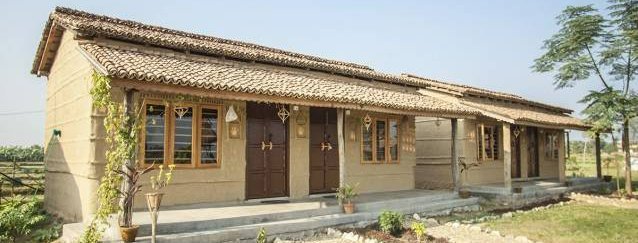
Tharu Community Homestays are one of the most meaningful travel experiences in Nepal. Located in the southern Terai region, these homestays offer visitors a chance to see the culture, food, daily life and traditions of the Tharu people. The Tharu community is one of Nepal’s oldest indigenous groups and their lifestyle has been shaped by the rivers, forests and farmlands of the plains.
For travelers who want cultural immersion, peaceful nature, warm hospitality and responsible travel options, Tharu homestays are the perfect choice. This article explains everything about the Tharu community, their traditional homes, food, culture and why staying in a Tharu Homestay is an unforgettable experience.
Understanding the Tharu Community
The Tharu people are known for their close connection to the land of the Terai. Tharu history stretches back many centuries and their culture has been passed down through stories, festivals and daily life in the village. The Tharu community has its own language, food traditions and unique style of architecture.
When travelers stay in a Tharu homestay, they do not see a staged or artificial version of culture. They experience the natural lifestyle of the people. Villagers farm their land, tend to livestock, collect forest materials, weave baskets and prepare meals from locally grown ingredients.
Tharu villages are peaceful and slow-paced. Guests often enjoy watching children play near the fields, elders chatting under a large tree and families working together with a sense of harmony. This quiet, authentic environment is one of the main reasons why Tharu homestays are becoming popular among travelers looking for real cultural experiences.
Traditional Tharu Homes Built With Nature
One of the most interesting features of a Tharu homestay is the house itself. Traditional Tharu houses are called bheli houses. They are built from earth, clay, mud, straw and cow dung. These materials help the homes stay cool during the hot summer and warm during winter.
The walls of Tharu houses are often decorated with handmade paintings and geometric patterns. These artworks are done by the women of the community during festivals or special occasions. They symbolize blessings, protection and cultural identity.
Inside a typical Tharu homestay, guests find simple and comfortable rooms. The floors are polished clay, the air stays naturally cool and the atmosphere feels quiet and peaceful. These traditional homes show how the Tharu community has lived in harmony with nature for generations.
For travelers who are interested in sustainable living or eco-friendly tourism, Tharu homestays offer an inspiring example of natural, low impact architecture.
Tharu Cuisine. Fresh, Local and Full of Flavor
Food is a big part of the Tharu homestay experience. Tharu cuisine is known for its freshness, simple preparation and use of local ingredients. Guests enjoy meals made from vegetables grown in the garden, fish caught from nearby rivers and rice harvested from the village fields.
Popular dishes include:
Grilled or dried fish cooked with spices
Dhikri, a steamed rice dough dish served during festivals
Bagiya, rice flour dumplings filled with lentils or spices
Ghonghi, small river snails cooked with herbs
Mustard green curries and local vegetables
Pickles made from seasonal fruits and spices
Every meal reflects the close relationship between the Tharu people and their environment. Guests often have the chance to join cooking sessions. They learn how the family prepares rice on traditional stoves, how spices are mixed and how certain local ingredients are used to create unique flavors.
Food becomes a way to understand daily life, family traditions and the agricultural roots of the community.
Cultural Activities and Local Traditions
Tharu culture is full of music, dance, storytelling and traditional art forms. Travelers who stay in community homestays often enjoy cultural programs organized by the village. One of the most famous performances is the Tharu stick dance. It is energetic, rhythmic and performed with great pride by local men and women.
Other cultural experiences include:
Learning Tharu basket weaving
Trying traditional pottery and clay work
Watching local women paint walls with natural colors
Listening to folktales and community legends
Visiting the Tharu museum in some areas to learn history
These activities give visitors a deeper understanding of Tharu identity. The aim is not to entertain tourists but to share traditions that still play a role in community life. This makes the experience feel real and respectful.
Nature and Wildlife Around Tharu Villages
Many Tharu villages are located near important wildlife areas like Chitwan National Park, Bardiya National Park and Shuklaphanta Wildlife Reserve. These regions are famous for their rich biodiversity and natural beauty.
Travelers can join guided tours for:
Wildlife safaris
Birdwatching
Jungle walks
Canoe rides
Nature photography
The Tharu people have lived next to forests and rivers for hundreds of years. Their knowledge of animal behavior, forest plants, natural cycles and weather patterns is unmatched. When they lead nature tours, visitors gain a deeper understanding of the ecosystem.
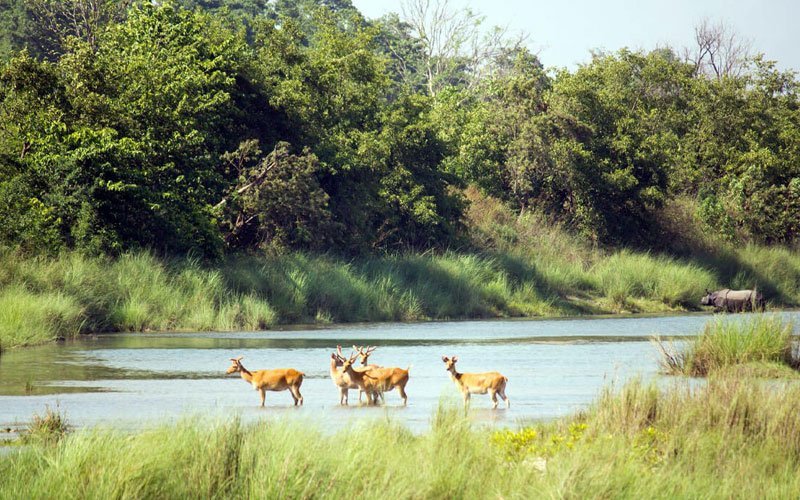
Animals in these regions include rhinos, tigers, elephants, deer, crocodiles and many species of birds. Travelers who enjoy nature travel find the combination of culture and wildlife especially rewarding.
Community Based Tourism That Supports Local Families
Tharu community homestays follow a community based tourism model. This means the homestays are owned and managed by local families. When visitors stay in these homestays, the income stays within the community. It supports education, healthcare needs, women’s groups and village development projects.
This model allows travelers to make a positive impact simply by choosing where to stay. It also ensures fair distribution of earnings so that many families benefit, not only a few.
Community based tourism helps protect traditional culture and motivates younger generations to appreciate their heritage. It also promotes environmental responsibility since the community understands that preserving nature brings long term benefits.
Why Tharu Homestays Are Perfect for Travelers
Tharu homestays meet the needs of modern travelers who want real experience, local interaction and meaningful journeys. Some of the main reasons to choose a Tharu community homestay include:
Cultural immersion
Guests see daily life up close. They join local activities, talk with families and understand the culture from within.
Peaceful environment
The slow rhythm of village life offers calm and relaxation. It is ideal for travelers who want a break from busy city environments.
Eco friendly architecture
Traditional houses built from natural materials offer an experience of sustainable living.
Friendly local hosts
Tharu families welcome guests with warm hospitality. Visitors often feel like part of the home.
Access to nature and wildlife
Villages close to national parks provide easy access to safaris and nature tours.
Affordable and meaningful travel
Tharu homestays are budget friendly but rich in experience. The value comes from interaction, culture and the positive impact on the community.
These advantages make Tharu homestays an excellent choice for families, students, solo travelers, couples and anyone seeking authentic Nepali culture.
How to Choose a Tharu Community Homestay
Different Tharu villages have different styles, stories and surroundings. Some are close to Chitwan, some to Bardiya and others in far western Nepal. Each offers a unique cultural experience.
Nepal Homestays provides a trusted platform where travelers can:
View verified Tharu homestay listings
Check photos and room descriptions
Learn about activities offered
Read host information
Book easily and securely
This makes the planning process simple and reduces confusion for first time travelers. It also ensures that visitors stay in safe, comfortable and responsible community owned accommodations.
A Travel Experience That Stays in the Heart
A stay in a Tharu community homestay is more than a trip. It is a journey into a living culture. The warm smiles of the host family, the taste of freshly cooked local meals, the peaceful sound of the village at night and the beauty of the nearby forests create memories that stay long after the journey ends.
Travelers who visit Tharu villages often say they leave with a new appreciation for Nepal’s cultural diversity. The Terai region may not have snow capped mountains, yet it offers something equally special. It offers connection, simplicity and the chance to see life in its purest form.
Plan Your Tharu Homestay Experience Today
If you want to experience real Nepali culture, local community life and peaceful nature, Tharu homestays are the perfect choice. They are comfortable, welcoming and rich in tradition.
Find the best Tharu Community Homestays, read host stories and book your stay easily through Nepal Homestays.
Start planning your journey now at: https://www.nepalhomestays.com/
Frequently Asked Questions
1. What is a Tharu Community Homestay?
A Tharu Community Homestay is a local family-run accommodation in a Tharu village. Guests stay in traditional homes, enjoy homemade food and experience real Tharu culture, daily life and nature. The income supports the community and helps preserve Tharu traditions.
2. Where are Tharu homestays located in Nepal?
Most Tharu homestays are located in the Terai region of Nepal. Popular areas include Chitwan, Bardiya and Dang. These villages are close to forests, rivers and national parks, which makes them perfect for cultural and wildlife tourism.
3. What type of rooms can I expect in a Tharu homestay?
Rooms are simple, clean and comfortable. Many homes are built using natural materials like mud, straw and clay. Facilities vary by homestay, but most provide basic bedding, mosquito nets and private or shared bathrooms. The focus is on traditional living and warm hospitality.
4. What kind of food is served in Tharu Community Homestays?
Tharu families serve fresh, homemade meals using ingredients from their farms and nearby rivers. Common dishes include rice, lentils, vegetable curries, grilled fish, dhikri, bagiya and seasonal pickles. The food is healthy, flavorful and prepared using traditional methods.
5. What cultural experiences can visitors enjoy?
Guests can join activities such as Tharu stick dance, traditional art and painting, basket weaving, cooking sessions, fishing, farming and village walks. These experiences help travelers understand the real lifestyle of the Tharu community.
6. Are Tharu homestays good for nature and wildlife lovers?
Yes. Many Tharu villages are close to major national parks like Chitwan and Bardiya. Guests can join jungle safaris, birdwatching tours, canoe trips and guided nature walks. Local guides share deep knowledge about wildlife and forest ecosystems.
7. Is staying in a Tharu homestay safe?
Tharu homestays are run by trained local families who prioritize guest comfort and safety. The environment is family-friendly, peaceful and welcoming. Nepal Homestays also verifies listings to ensure quality and safety standards.
8. How do Tharu Community Homestays support local people?
When travelers stay in these homestays, the income stays within the community. It supports women’s groups, education, cultural events and village development. Community based tourism gives families fair opportunities and helps protect Tharu traditions.
Company Admin
Travel writer sharing authentic stories and experiences from Nepal's beautiful homestays.