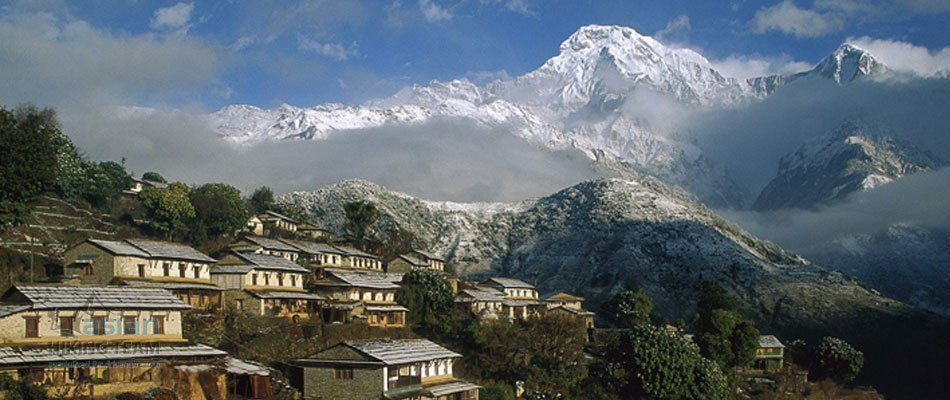
Homestays in Nepal are not a new idea created for tourism. They come from a much older tradition of hospitality that has shaped daily life across the country for generations. Long before booking platforms, guesthouses, or hotels existed, Nepali families welcomed travelers, pilgrims, traders, and strangers into their homes. Offering food, shelter, and care was not considered a service. It was simply the way people lived.
For centuries, Nepal’s villages functioned on trust, shared responsibility, and human connection. Roads were limited, journeys were long, and travel depended on the kindness of local communities. When someone arrived from afar, they were offered a place by the hearth, a meal from the kitchen, and rest for the night. These moments of shared living formed the cultural foundation of what we now call homestays.
Nepal Homestays is built on this same foundation. The platform does not introduce something unfamiliar or artificial. Instead, it connects travelers to a living tradition, allowing local families to share their homes and cultures in a respectful, meaningful, and dignified way.
Hospitality as a Way of Life in Nepal
In Nepali culture, hospitality is deeply rooted in social, spiritual, and moral values. The belief Atithi Devo Bhava, meaning “the guest is like a god,” continues to guide how visitors are treated, especially in rural communities.
This belief was not symbolic. It shaped real behavior. In the past, long journeys through hills, forests, and plains made travelers dependent on local homes rather than formal lodging. Families shared meals, sleeping spaces, and daily routines without expectation of reward. Hosting was not transactional. It was a responsibility tied to empathy, respect, and community care.
Hospitality was also linked to religious practice and social harmony. Welcoming guests was believed to bring good fortune, balance, and honor to the household. Even today, this cultural value remains visible in villages where guests are offered the best food, the warmest place to sit, and genuine attention.
This tradition is closely linked to Nepal’s cultural heritage, which recognizes hospitality as an essential part of social identity and shared living. Across the country, from mountain settlements to Terai villages, the spirit of welcoming guests continues to shape daily life.
Traditional Homes and Shared Living
Nepal’s geography played an important role in shaping homestay culture. Many settlements developed in remote hills, mountains, and plains where cooperation was necessary for survival. Communities depended on one another for farming, construction, and protection from harsh conditions.
Homes were designed for shared living. Open kitchens, courtyards, and communal spaces allowed families and visitors to live together naturally. Meals were cooked in large pots and shared among everyone present. Guests were not isolated. They became part of the household, even if only for a short time.
Visitors followed the same rhythm of life as the family. They woke up early, ate local food, joined daily activities, and rested together in the evenings. There was no separation between host and guest.
Modern homestays listed on Nepal Homestays follow this same approach. Guests stay in real homes, not purpose-built tourist spaces. While basic comfort and cleanliness are ensured, the experience remains rooted in shared living. This is what makes homestays in Nepal feel personal, grounded, and authentic.
Cultural Diversity and the Roots of Homestays
Nepal is home to extraordinary cultural diversity. Each ethnic community has its own traditions, language, architecture, food, and way of living. Homestays developed naturally within these cultures, shaped by daily life rather than tourism demand.
Tharu families hosted travelers in the Terai, especially near forests and river routes. Gurung and Magar villages welcomed traders and soldiers in the hills. Sherpa communities offered shelter to pilgrims and trekkers along mountain trails. Newar households in historic towns hosted merchants, artisans, and scholars.
In each case, hosting was an extension of everyday life. Guests learned about local customs not through explanation, but through participation. They observed rituals, shared meals, and followed household routines.
Today, Nepal Homestays connects travelers to these same communities. Cultural exchange happens inside homes, not through staged performances. Each homestay reflects a living culture, not a display created for visitors.
From Informal Hosting to Community Homestays
As tourism slowly grew in Nepal, especially trekking and cultural travel, informal hosting began to take a more organized shape. Communities recognized that they could welcome guests while protecting their lifestyle and earning a fair income.
Rather than building large hotels, many villages chose a different path. Families worked together to create community homestays, sharing responsibilities and benefits. Guests rotated among households, and decisions were made collectively.
These community based tourism models ensured fairness, cultural protection, and long-term sustainability rather than short-term profit. They allowed villages to remain intact while participating in tourism on their own terms.
Nepal Homestays supports this model by working with family-run and community-managed homestays. The platform helps maintain basic standards of safety and cleanliness while keeping ownership, decision-making, and identity firmly within the community.
Homestays and Cultural Preservation
Homestays play a quiet but powerful role in preserving Nepal’s cultural identity. When travelers show genuine interest in local food, farming practices, festivals, language, and daily routines, communities feel encouraged to continue these traditions.
Young people begin to see value in their culture when it is respected by visitors. Languages, crafts, songs, and rituals that might otherwise fade remain part of everyday life.
Homestays also strengthen local economies in subtle ways. Food served to guests often comes from nearby farms. Household items such as furniture, baskets, tools, and decorations are often made by local artisans. Tourism rooted in homes helps keep these livelihoods active and respected, reflecting how tourism supports local farmers and artisans in Nepal.
Homestays as Small Ideas with Big Impact
Many homestay initiatives began with simple decisions by a few families who wanted to host guests without changing who they were. There were no large investments or complex plans. Just the willingness to open a home.
Over time, these small efforts grew into community systems that created income, preserved culture, and supported village development. Roads improved, schools received support, and women gained stronger roles in household and community decision-making.
This quiet growth reflects how local solutions can create meaningful change. Homestays are not large businesses, but they are powerful examples of how small, community-led ideas can strengthen rural areas, closely connected to the principles of social entrepreneurship in Nepal.
Human Connection at the Center of Homestays
What truly defines a homestay is human connection. Conversations happen naturally over meals, during farm work, or in the evening courtyard. Guests learn about real life in Nepal, not just tourist highlights.
Hosts learn about different cultures, ideas, and perspectives through their guests. This exchange builds understanding and respect on both sides. It breaks down assumptions and creates lasting memories.
Why Homestays Matter Today
As travel preferences change, more people seek experiences that feel meaningful, ethical, and grounded. Homestays offer exactly that.
They support local families directly, reduce pressure on crowded tourist centers, preserve cultural identity, and promote low-impact travel. Most importantly, they allow visitors to experience Nepal through the lives of the people who live there.
Nepal Homestays brings these experiences together on one trusted platform, making it easier for travelers to choose stays that align with their values.
A Living Tradition, Connected Through Nepal Homestays
Homestays in Nepal are not a trend. They are a continuation of history shaped by culture, geography, and community life. What Nepal Homestays does is connect this living tradition with travelers who value authenticity and respect.
Each stay supports a household. Each visit strengthens a community. Each experience keeps Nepal’s hospitality culture alive.
By choosing a homestay, travelers do not just visit Nepal. They experience it through its homes, stories, and everyday lives.
Frequently Asked Questions
1. When did homestays begin in Nepal?
Homestays in Nepal began long before modern tourism. For centuries, Nepali families welcomed travelers, pilgrims, and traders into their homes as part of their cultural tradition of hospitality.
2. Why is hospitality so important in Nepali culture?
Hospitality in Nepal is deeply connected to social and spiritual values. Guests are treated with respect and care, especially in villages, where welcoming visitors has always been part of daily life.
3. How are traditional Nepali homes connected to homestays?
Traditional homes were designed for shared living, with open kitchens and common spaces. This made it natural for families to host guests and include them in daily routines, which is the foundation of today’s homestays.
4. How did homestays become part of tourism in Nepal?
As tourism slowly grew, especially trekking and cultural travel, communities began organizing homestays to welcome guests while protecting their culture and earning income in a fair way.
5. What role do ethnic communities play in homestay culture?
Different ethnic communities such as Tharu, Gurung, Magar, Sherpa, and Newar families have long traditions of hosting guests. Their cultures and lifestyles continue to shape homestay experiences today.
6. How do homestays help preserve culture in Nepal?
Homestays allow culture to be shared through daily life rather than performances. Guests eat local food, join family routines, and experience traditions naturally, helping keep them alive.
7. How are modern homestays different from hotels?
Homestays focus on shared living and personal connection. Guests stay in real homes with families, while hotels separate visitors from local life and culture.
Company Admin
Travel writer sharing authentic stories and experiences from Nepal's beautiful homestays.