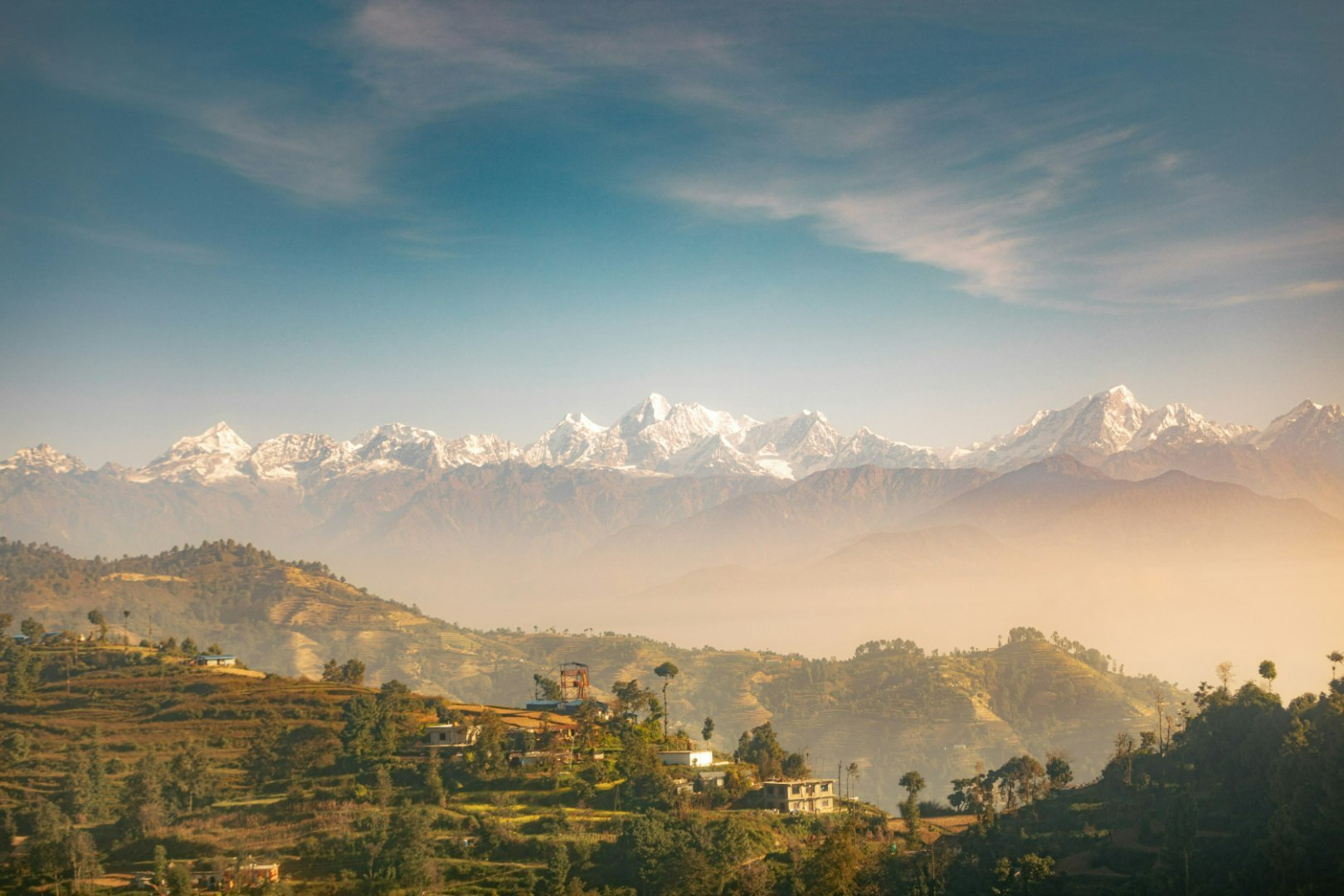
Homestays in Nepal are not only about providing accommodation for travelers. They are about people, relationships, and shared daily life. When someone stays in a homestay, the impact goes far beyond one room or one family. It reaches local farmers, women, young people, traditions, and the future of entire villages.
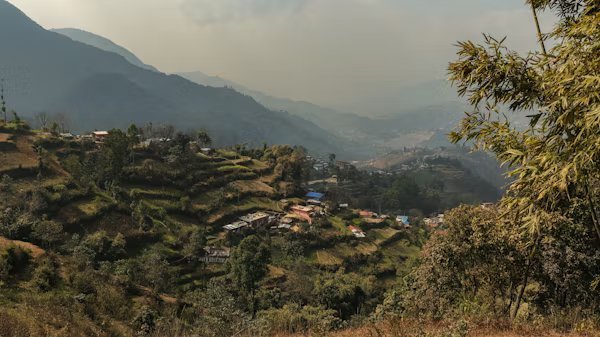
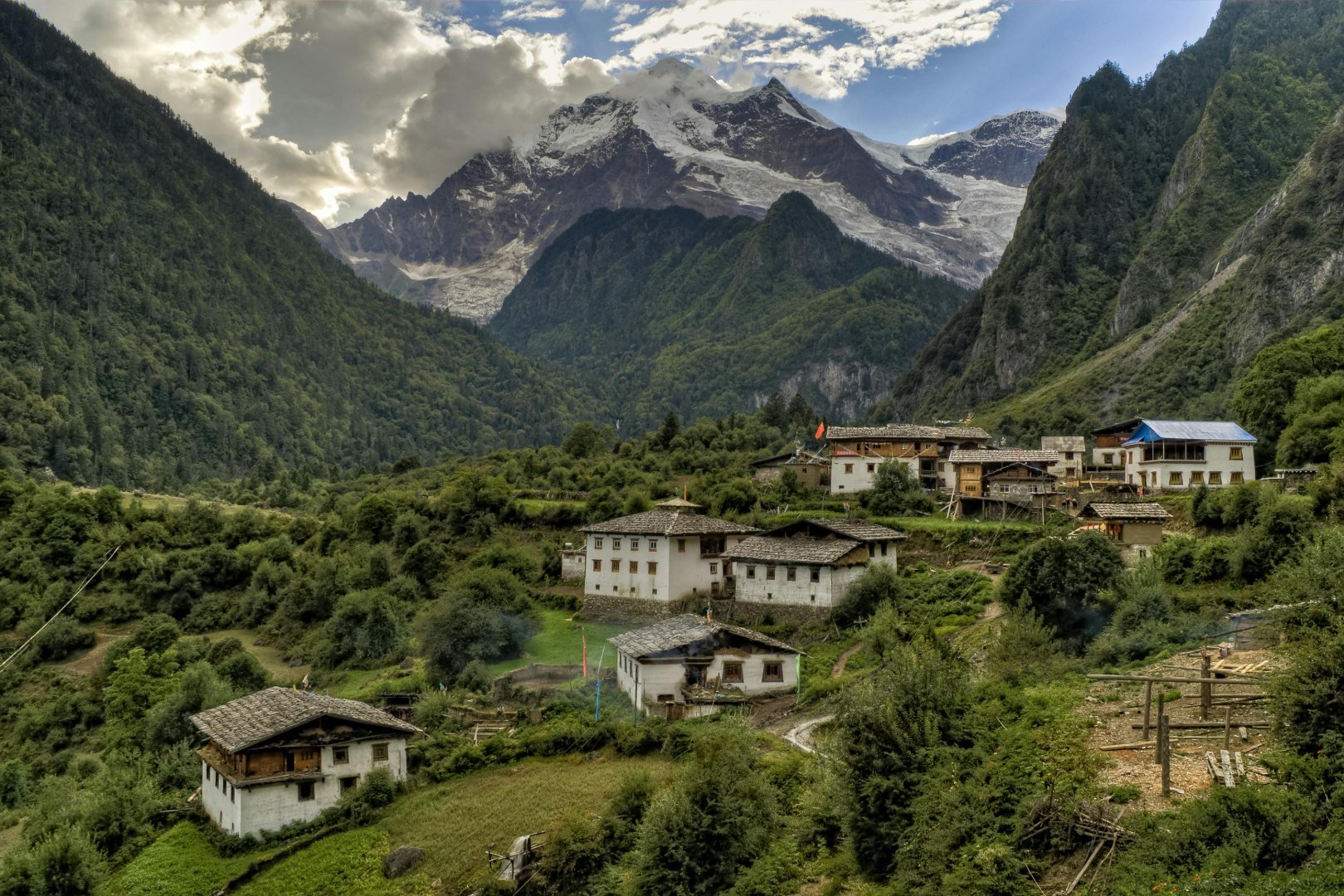
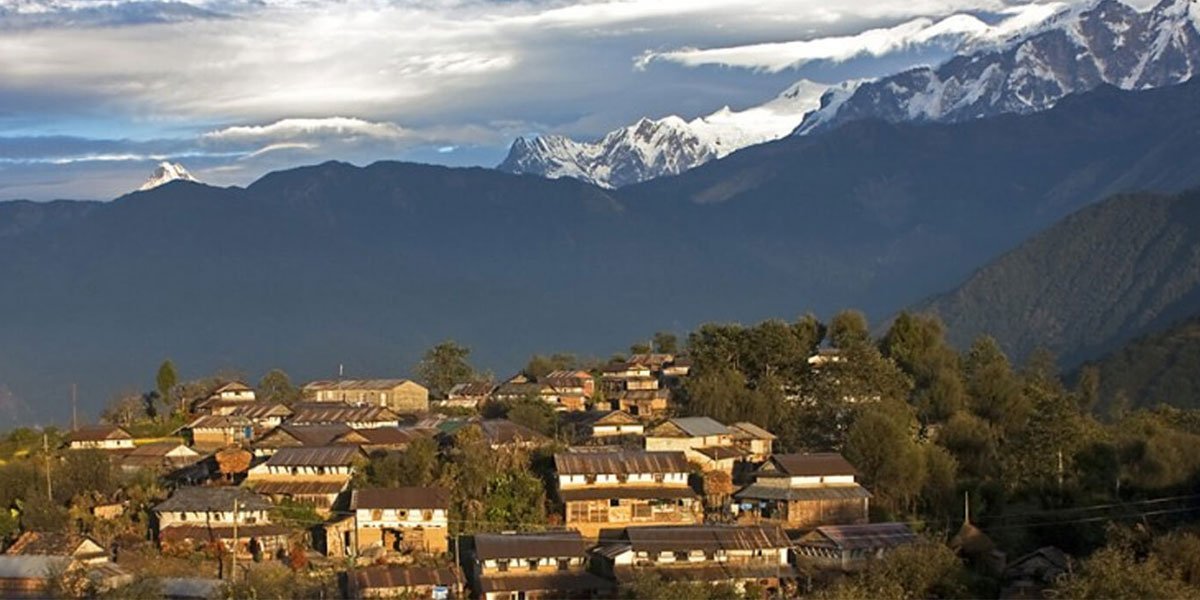
Across Nepal, from the hills to the Terai, homestays have quietly changed how tourism works. Instead of large hotels and outside businesses, tourism becomes something that grows from within the community. Nepal Homestays supports this approach by connecting travelers with families who open their homes while staying true to their way of life.
Income That Stays Where It Matters
One of the most important impacts of homestays is that income stays within the community. Homestays are run by families who live in the same homes where guests stay. This means the money travelers spend goes directly to local households instead of large companies.
For many families, this income helps pay for school fees, medical care, food, and home repairs. It also reduces the pressure to leave the village in search of work. People can earn a living while staying close to their land, family, and traditions.
For travelers, this type of stay often feels more balanced and rewarding. Living with a local family removes many extra costs while offering deeper experiences through shared meals and daily routines. It suits travelers who want to save money while experiencing real local life, without giving up comfort or safety.
Supporting Farmers and Village Crafts
The benefits of homestays do not stop with host families. Most food served in homestays comes from nearby farms. Vegetables are grown in village fields, rice and grains are locally sourced, and milk often comes from a neighbor’s household.
This steady demand helps farmers continue traditional farming instead of shifting to fast or industrial methods. It also provides reliable income throughout the year.
Homestays also rely on items made within the community. Wooden furniture, woven baskets, floor mats, and simple tools are often handmade by local artisans. These everyday objects carry skill, identity, and history. By choosing local products, homestays help keep village economies active and connected to tradition.
In this way, tourism becomes part of daily life rather than something that replaces it.
Creating Space for Women to Lead
In many Nepali villages, women play a central role in running homestays. They prepare meals, welcome guests, manage schedules, and handle finances. This responsibility often leads to changes that go far beyond income.
Women gain confidence through interaction with guests and by managing day-to-day operations. They take part in decisions at home and in the community. Many also join savings groups or training programs connected to homestays.
Over time, homestays have been creating new opportunities and confidence for women in rural households, allowing them to step into leadership roles while staying rooted in their culture and family life.
Culture Lived, Not Performed
One of the strongest impacts of homestays is how culture is shared naturally. Guests do not watch culture from a distance. They live it.
They wake up to the same morning routines, eat the same food, and observe the same family customs. Festivals are joined as they happen. Rituals are understood through conversation and participation.
Food plays a special role in this exchange. Sitting together and sharing traditional meals prepared with local ingredients often becomes one of the most meaningful parts of the stay. These simple moments create understanding that no guidebook can offer.
When visitors show genuine interest, communities feel proud of their traditions. Elders pass knowledge to younger generations, helping keep language, recipes, crafts, and customs alive in everyday life.
Stronger Communities Through Cooperation
Homestays often bring people together instead of setting them apart. In many villages, families work collectively to manage guests. They rotate stays, agree on shared standards, and organize activities together.
This cooperation builds trust and unity. Instead of competing for visitors, families support one another. Income is shared more fairly, and decisions are made through discussion.
Over time, homestays have helped create locally led tourism where communities decide how travel fits into their lives, rather than adjusting their lives to fit tourism. This sense of control helps protect culture, relationships, and balance within the village.
A Slower and More Meaningful Way to Travel
Homestays naturally slow travel down. Guests stay longer in one place instead of rushing from one destination to another. They spend time talking, helping with small tasks, and understanding daily rhythms.
This slower pace allows deeper connections to form. Travelers learn more by doing less. They notice details, listen to stories, and feel part of the place rather than just passing through.
Many guests find that homestays encourage slowing down to connect with people rather than rushing between places, making the journey feel calmer, richer, and more personal.
Low Impact on Nature and Resources
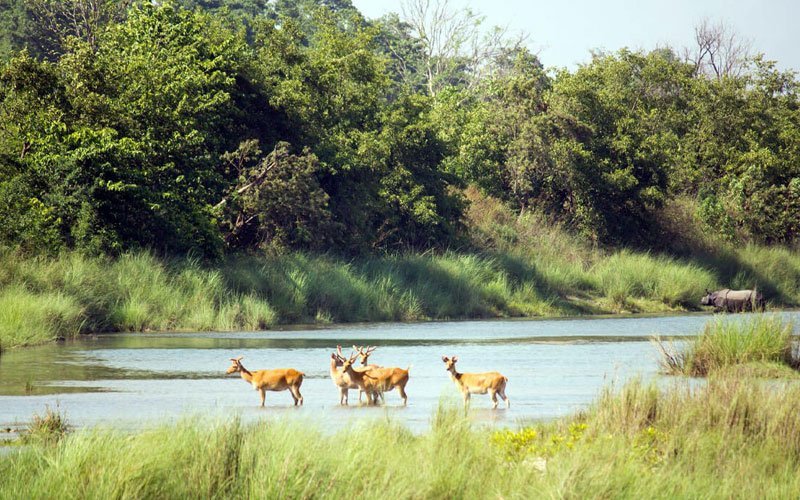
Homestays are naturally low-impact. They use existing homes instead of building large hotels. Water, energy, and food are shared as part of daily life, not consumed separately for tourism.
Because growth happens slowly and is guided by the community, villages can protect their surroundings. They decide how many guests they can welcome without harming land, forests, or water sources.
This makes homestays a strong example of tourism that supports villages without changing their way of life, allowing both people and nature to thrive together.
Learning Goes Both Ways
The impact of homestays is not one-sided. Hosts also learn from guests. Conversations about daily life, family values, and worldviews create understanding on both sides.
Guests gain insight into real life in Nepal, including both challenges and joys. Hosts gain new perspectives while staying grounded in their own culture. These exchanges build respect and often lead to lasting friendships.
This kind of learning happens naturally through building understanding through everyday conversations and shared routines, not through formal programs or explanations.
Why Homestays Matter for Nepal’s Future
Homestays support families, strengthen communities, empower women, preserve culture, and encourage responsible travel. They offer a way for tourism to grow without forcing communities to change who they are.
Nepal Homestays brings these experiences together on one trusted platform, helping travelers choose stays that support local people while offering genuine experiences.
A Shared Journey, One Home at a Time
The impact of homestays grows quietly. One family welcomes a guest. One village shares its way of life. One traveler leaves with deeper understanding.
Each stay supports a household. Each visit strengthens a community. Each experience becomes part of a shared story built on respect, connection, and care.
Homestays show how travel can support local communities in simple but powerful ways, one home at a time.
Experience Nepal Through Its Homes
If you want to travel in a way that supports local families, respects culture, and creates real connection, staying in a homestay is one of the most meaningful choices you can make.
Through Nepal Homestays, you can find trusted family-run and community homestays across the country, each offering a chance to experience Nepal through daily life, shared meals, and genuine hospitality.
Explore authentic stays and begin your journey at: https://www.nepalhomestays.com/
Company Admin
Travel writer sharing authentic stories and experiences from Nepal's beautiful homestays.