Many travelers visit Nepal without ever stepping inside a local home. By skipping homestays, they miss everyday life, shared meals, quiet conversations, and the human connections that give Nepal its true depth.
Many travelers come to Nepal with excitement and clear plans. They visit famous temples, trek popular routes, and stay in hotels or lodges that feel familiar and easy. While these experiences can be enjoyable, they often leave with only part of the story.
What many travelers miss is not a place, but a way of living.
Homestays in Nepal offer access to everyday life that cannot be seen from hotel rooms or guided tours. When travelers skip homestays, they miss quiet moments, human connections, and small experiences that give Nepal its true depth.
Missing the Feeling of Being Welcomed Into a Home
One of the first things travelers notice in a homestay is the way they are welcomed. It is not formal or scripted. It is warm, personal, and often simple.
Hosts greet guests with curiosity. They ask about the journey, offer tea, and show them around the house. There is no reception desk, no check-in form, just a human welcome.
This feeling of being received into a home is difficult to find elsewhere. When travelers skip homestays, they often miss the comfort of being treated as a guest, not a customer.
Missing Daily Life, Not Just Destinations
Nepal’s beauty is not only in its landmarks. It is also found in ordinary moments that happen every day.
When travelers stay only in hotels, they often see Nepal from the outside. They move between destinations without seeing how people live in between.
In homestays, guests begin to notice:
Early mornings and quiet routines
Meals being prepared slowly
Children leaving for school
Elders resting and talking
These moments help travelers understand the country beyond sightseeing. Many visitors only realize this later, after experiencing what real village life feels like inside a Nepali homestay.
Skipping homestays often means missing these everyday scenes that reveal the heart of Nepal.
Missing Cultural Understanding That Comes Naturally
Culture in Nepal is not something that appears only during festivals or special events. It lives in gestures, habits, and relationships.
Homestays allow travelers to learn culture without effort. There are no performances or explanations. Learning happens naturally through observation.
Guests notice:
How elders are respected
How food is shared
How guests are spoken to
How decisions are made within families
This kind of understanding cannot be gained quickly. When travelers skip homestays, they often leave with surface impressions instead of real cultural insight.
Missing the Role of Nature in Everyday Life
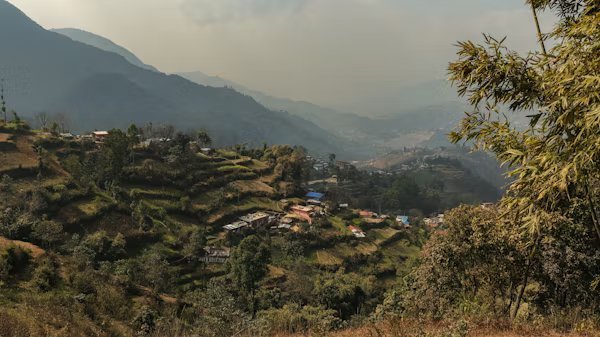
In many villages across Nepal, nature shapes daily routines. People depend on land, weather, and seasons in very practical ways.
Homestays allow travelers to see:
Farming as part of daily life
Seasonal changes reflected in meals
Work shaped by weather and daylight
Hotels often separate guests from this reality. Skipping homestays means missing the close connection between people and nature that defines much of Nepal.
Missing Meaningful Conversations
Some of the most memorable travel moments come from simple conversations, not planned activities.
In homestays, conversations happen naturally:
During meals
While preparing food
In the evenings after work
These conversations are not rushed. Guests hear stories about village life, challenges, and hopes. Hosts ask questions too, creating a two-way exchange.
Hotels rarely create space for this kind of connection. When travelers skip homestays, they often miss the chance to listen, learn, and be understood.
Missing Honest Food Experiences
Food in Nepal is deeply connected to place and season.
In homestays, meals are:
Home-cooked
Based on local ingredients
Shared together
There are no menus designed for tourists. What guests eat depends on what the family eats that day. Through this, travelers slowly discover traditional Nepali food prepared and eaten in local homes, which often feels more meaningful than restaurant meals.
Skipping homestays often means missing food that reflects real life rather than expectations.
Missing a Slower Way of Traveling
Modern travel often moves fast. Travelers try to fit many places into a short time.
Homestays naturally slow things down. Days follow local routines instead of tight schedules. Time is spent sitting, walking, talking, and resting.
This slower rhythm allows travelers to notice details and feel present. Many realize that homestays offer a slower way of traveling that focuses more on presence than distance.
When travelers skip homestays, they often miss this chance to slow down and truly absorb where they are.
Missing the Impact of Their Stay
Where travelers choose to stay matters.
Homestays support families directly. Income helps with education, farming needs, and daily expenses. Guests can see who benefits from their presence.
When travelers skip homestays, they miss the chance to be part of tourism that supports people at a personal level rather than through large systems.
This visible impact adds meaning to travel and creates a stronger sense of connection.
Missing Regional Differences
Nepal is diverse, and this diversity is most visible inside homes.
Homestays reveal differences in:
Food styles
Languages
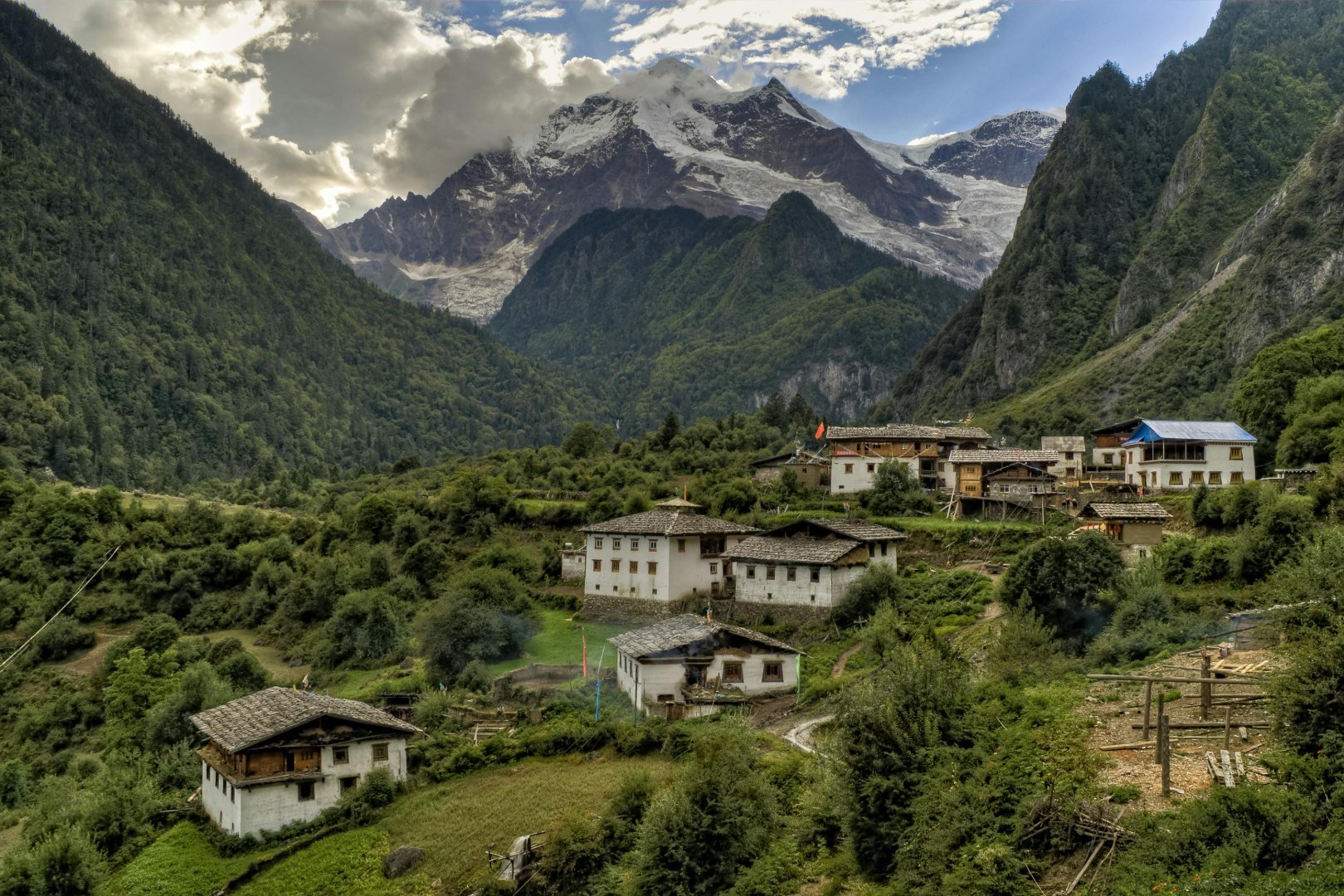
House structures
Daily routines
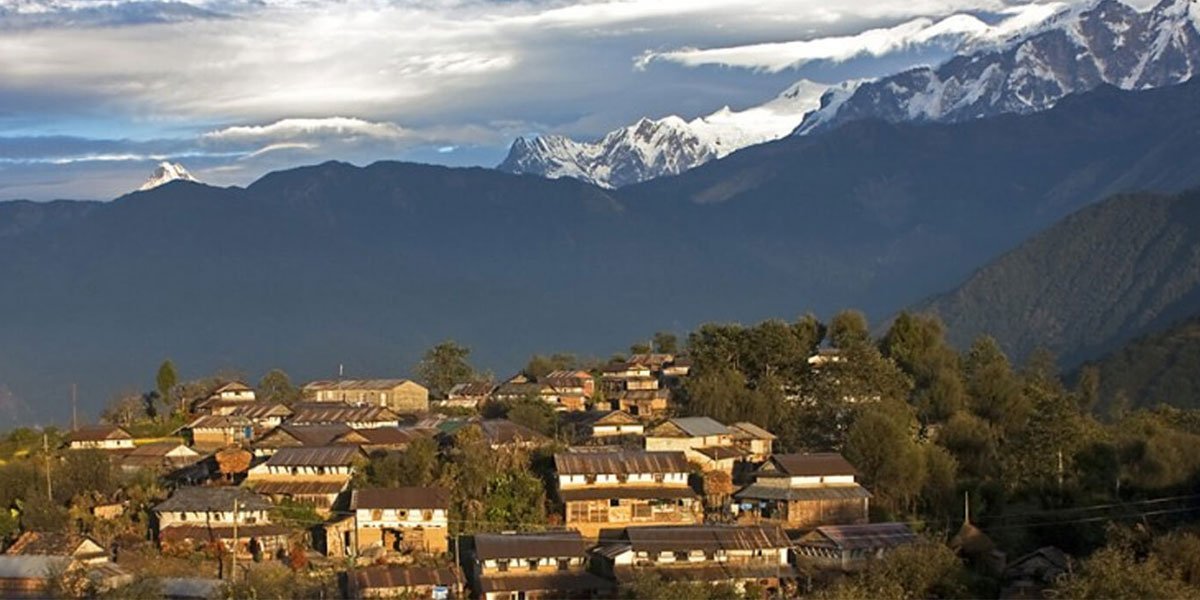
A stay in a hill village feels different from one in the plains or near a city. Hotels often feel similar everywhere.
Skipping homestays means missing how regional identity shapes daily life across Nepal.
Missing Long-Lasting Memories
Travel memories are not only about places visited. They are about moments shared.
Guests often remember:
Conversations around the fire
Meals eaten together
Quiet evenings
Faces and stories
These memories last longer than photos. Travelers who skip homestays often return with images but fewer personal stories.
Why Homestays Are Easy to Skip
Some travelers avoid homestays because they worry about comfort or feel unsure about what to expect. These concerns are understandable.
Most homestays in Nepal are clean, welcoming, and caring. Comfort comes from attention and warmth rather than luxury.
Understanding the difference between staying in homes and more commercial accommodation helps travelers make choices that match their values.
Choosing Experience Over Convenience
Hotels offer convenience and predictability. Homestays offer experience and connection.
Choosing a homestay does not mean giving up comfort. It means choosing understanding over speed and connection over routine.
Many travelers who try homestays say they wish they had done it earlier.
Traveling With Respect Makes All the Difference
Homestays work best when travelers arrive with respect.
This means:
Being patient
Following house rules
Dressing modestly
Listening more than speaking
This approach creates positive experiences for both guests and hosts.
What Makes Homestays Worth Choosing
Homestays are not for everyone, but they offer something rare.
They offer:
Real human connection
Everyday life experiences
Meaningful memories
Travelers who skip homestays often miss these deeper layers of Nepal.
Plan a More Meaningful Stay with Nepal Homestays
If you want to experience Nepal beyond landmarks and schedules, homestays offer a path into daily life, culture, and community.
Through Nepal Homestays, travelers can find trusted family-run and community homestays across Nepal, making it easier to choose stays that are respectful, comfortable, and meaningful.
Travel with curiosity.
Stay with families.
Experience Nepal through its homes.
Frequently Asked Questions
1. Why do many travelers skip homestays in Nepal?
Many travelers choose hotels because they feel familiar or worry about comfort. Often, they are unsure what staying in a local home will be like, even though homestays are usually welcoming and simple.
2. Are homestays suitable for first-time visitors to Nepal?
Yes, homestays are suitable for first-time visitors who want a safe and personal experience. Hosts usually help guests understand daily routines and local customs, making the stay comfortable.
3. Do homestays offer enough comfort compared to hotels?
Homestays offer simple but sufficient comfort. While they may not have luxury facilities, they focus on cleanliness, warm food, and personal care, which many travelers value more.
4. What is the biggest difference between staying in a hotel and a homestay?
The biggest difference is connection. Hotels offer privacy and standard services, while homestays offer human interaction, shared meals, and insight into everyday life.
5. How do homestays help travelers understand Nepal better?
Homestays allow travelers to observe daily life, family routines, food habits, and local values firsthand. This helps travelers understand Nepal beyond tourist attractions.
Company Admin
Travel writer sharing authentic stories and experiences from Nepal's beautiful homestays.