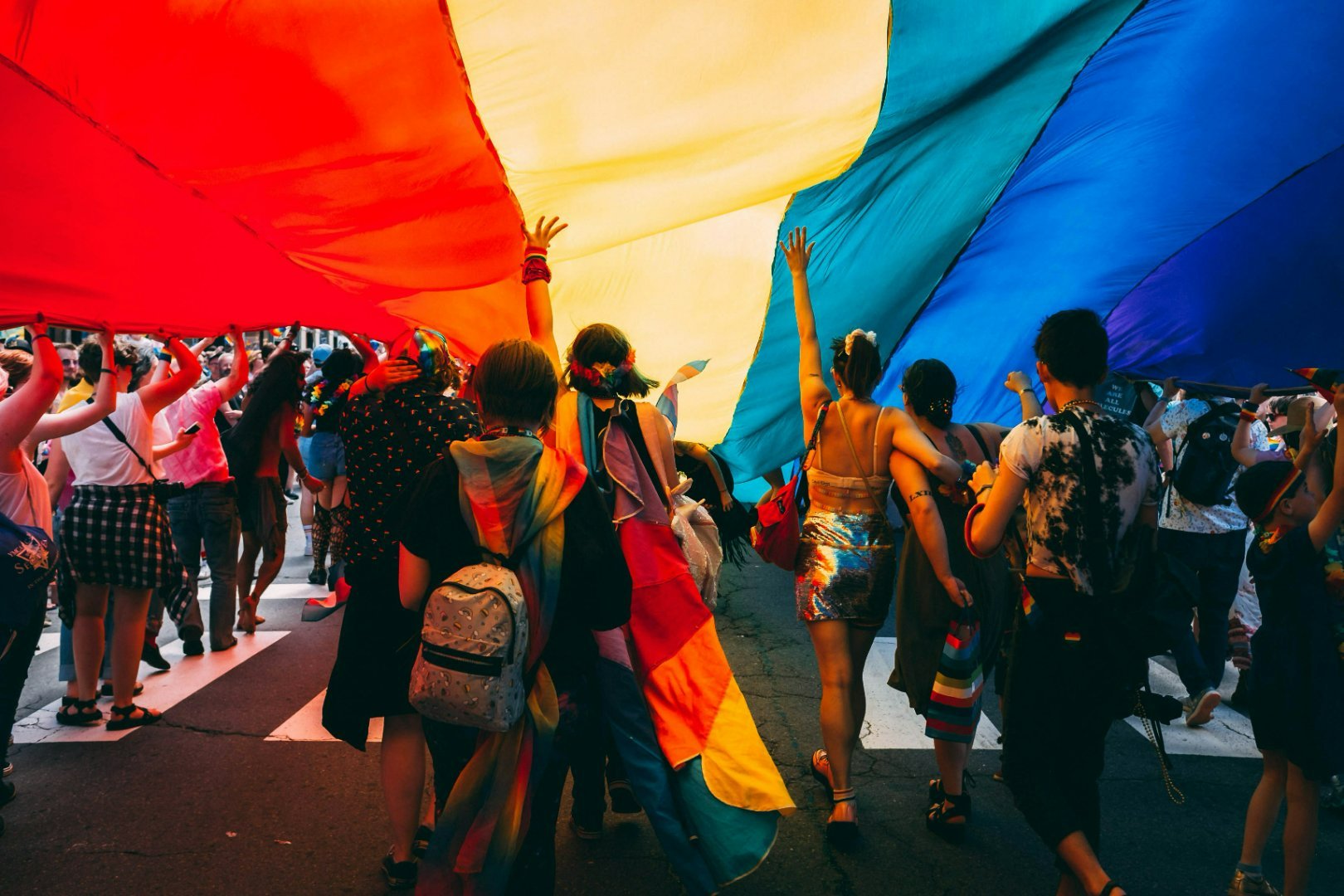
Nepal has some of the strongest legal protections for LGBTIQA+ people in South Asia, offering rare freedom to travel openly. Yet it remains overlooked in global queer tourism. This piece explores why inclusive tourism matters and why Nepal is ready to lead.
Nepal's Unique Position in South Asia
Nepal stands out in South Asia as a country with strong protections for LGBTIQA+ people. While nearby countries still have old laws against same-sex relationships, Nepal took a different path. In 2007, Nepal's Supreme Court made history by ruling that homosexuality is legal. The court also told the government to create laws that recognize and protect LGBTIQA+ citizens.
This wasn't just a random decision. Nepal has a long history of accepting different gender identities. Traditional communities have recognized identities like Mai Babu, Fulumulu, Maruni, and Meti for generations. This cultural acceptance paved the way for modern legal protections.
The country's 2015 constitution made things even better. It clearly states that you cannot discriminate against anyone based on their gender identity or sexual orientation. Since 2007, Nepal has allowed people to register as "third gender" (marked as "Other") on official documents like citizenship cards and passports. What makes this special is that people can choose this based on how they identify, not based on medical procedures or surgeries.
What This Means for LGBTIQA+ Travelers
For LGBTIQA+ travelers, Nepal's laws create real safety and freedom. Nepal is one of the few places in Asia where same-sex couples can travel openly without worrying about legal problems. You don't have to pretend to be "just friends" when checking into a hotel. You don't have to worry that holding hands might get you in trouble with the police.
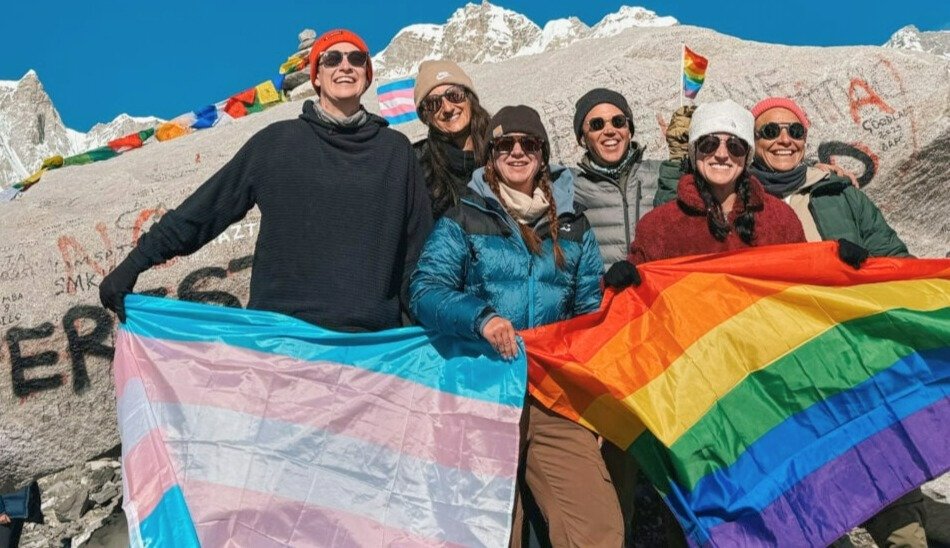
This legal protection creates space for real, authentic travel experiences that simply aren't possible in most other parts of the region. You can be yourself and focus on enjoying your trip rather than hiding who you are.
Nepal Government's Pink Tourism Initiative
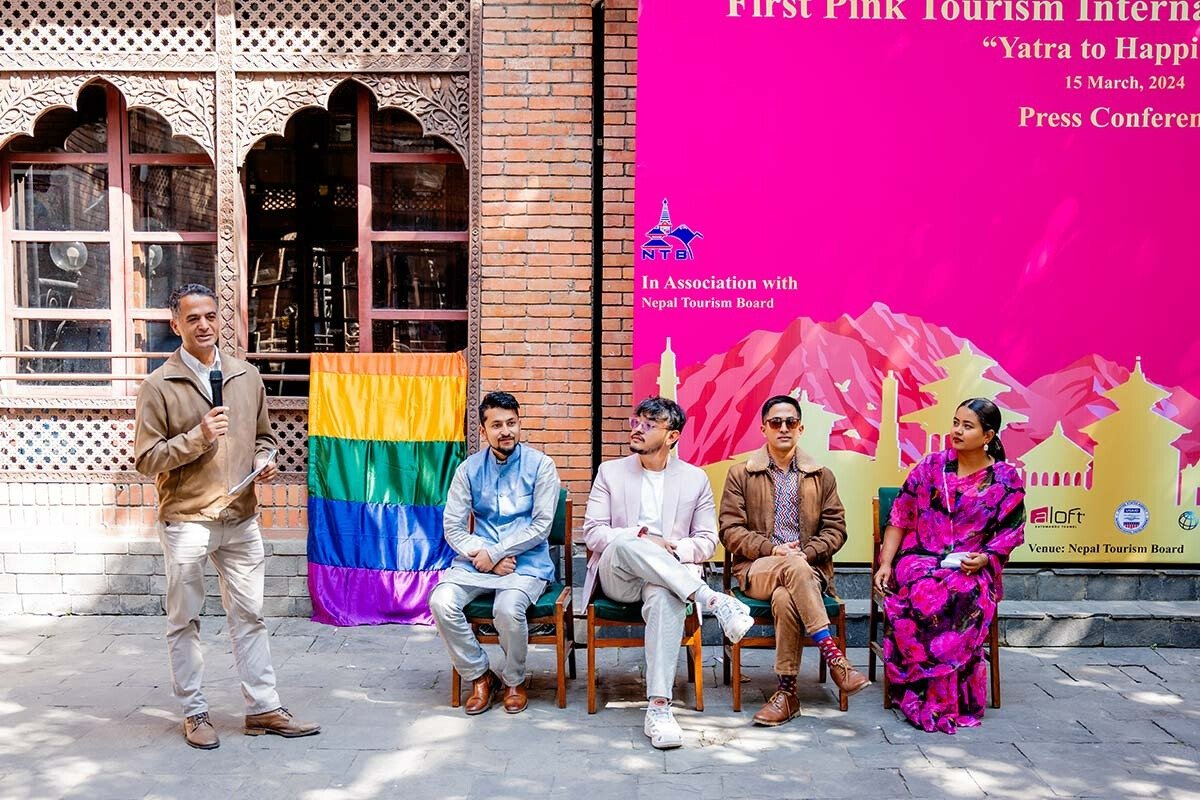
The Nepal government has started supporting "pink tourism" to welcome LGBTIQA+ travelers. They are working with local tourism businesses and training queer community members to become tour guides and trekking guides. In April 2023, the Nepal Tourism Board partnered with the Nepal Mountaineering Academy to launch the country's first trekking guide training program specifically for LGBTIQA+ individuals. This helps ensure that LGBTIQA+ travelers have guides who understand and welcome them.
The Economic Opportunity
The global LGBTIQA+ travel market represents a huge opportunity. Different studies estimate the market at different values, but most agree it's worth hundreds of billions of dollars annually. According to recent data, the market was valued at approximately $296 billion in 2023 and is expected to grow significantly in coming years.
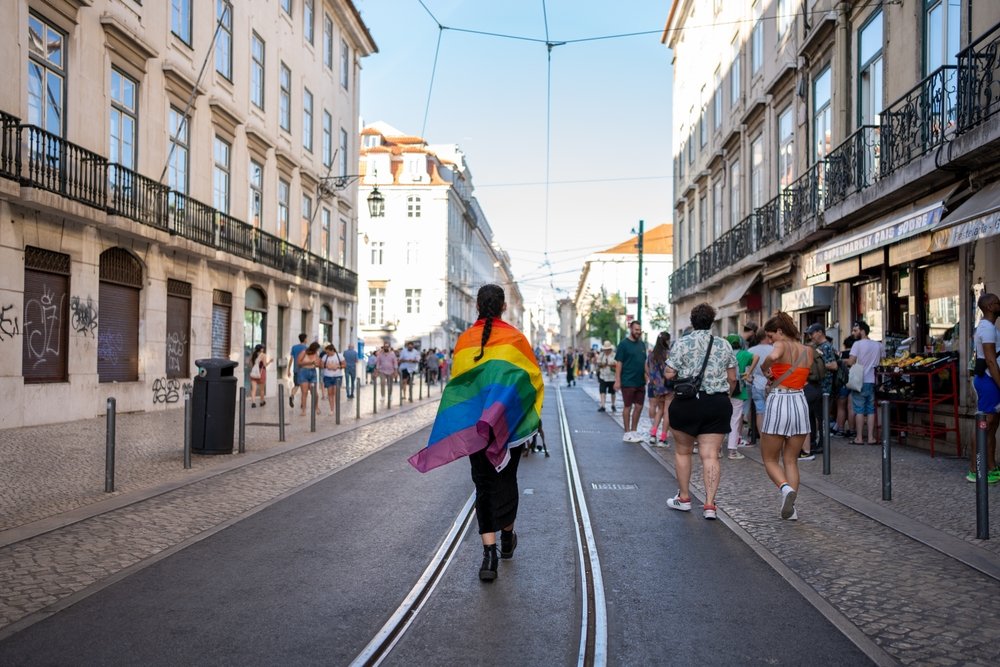
LGBTIQA+ travelers are an attractive market for several reasons:
Many are in dual-income households without children, which means more money to spend on travel
They tend to travel more frequently than average tourists
They spend more money per trip
They are very loyal to destinations that welcome them openly
They share their experiences, both good and bad, with others in the community
Right now, Nepal captures almost none of this valuable market. When people search for "LGBTIQA+ travel Asia," they usually find Thailand, Taiwan, Japan, and Vietnam. Nepal rarely shows up, even though it has stronger legal protections than most of these places. This isn't because Nepal is a bad destination. It's because Nepal hasn't marketed itself well to this community.
Nepal Already Has What It Takes
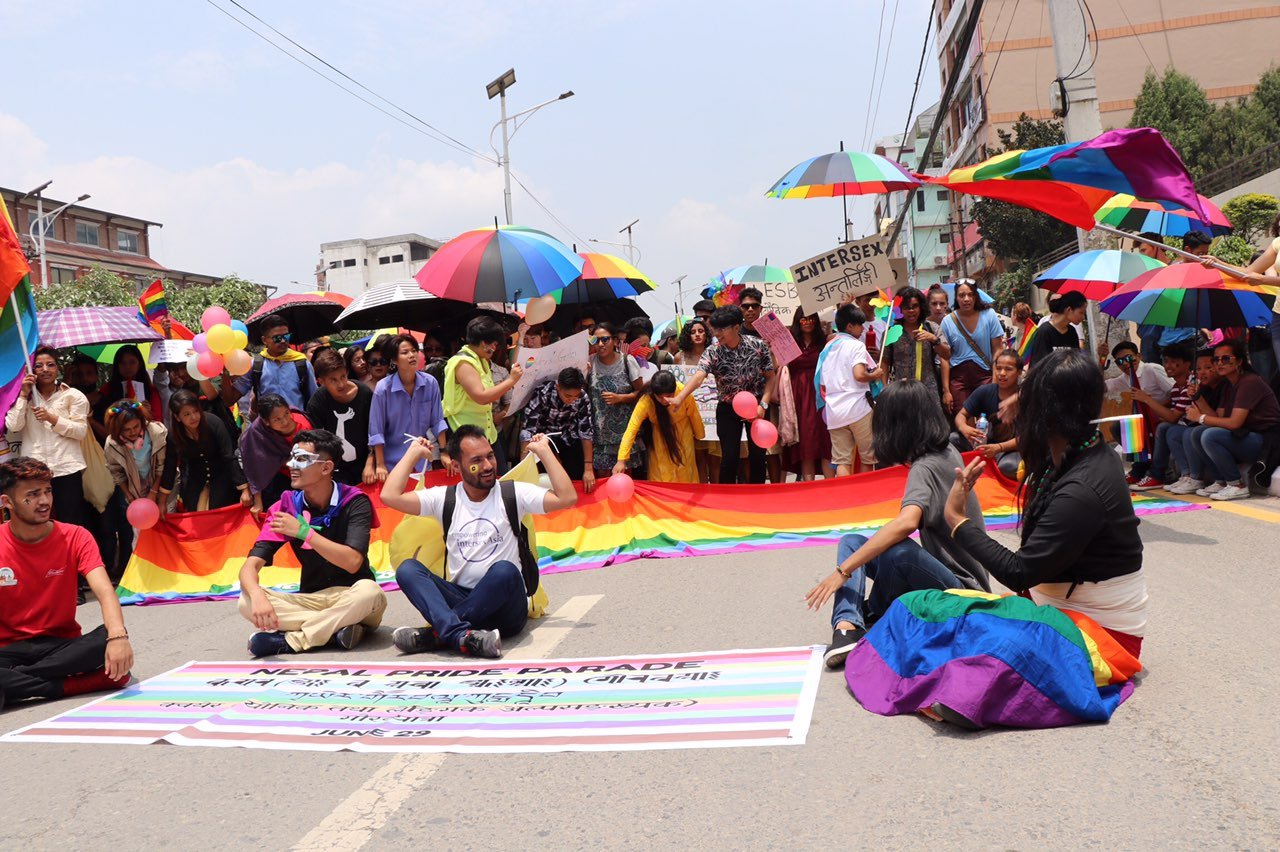
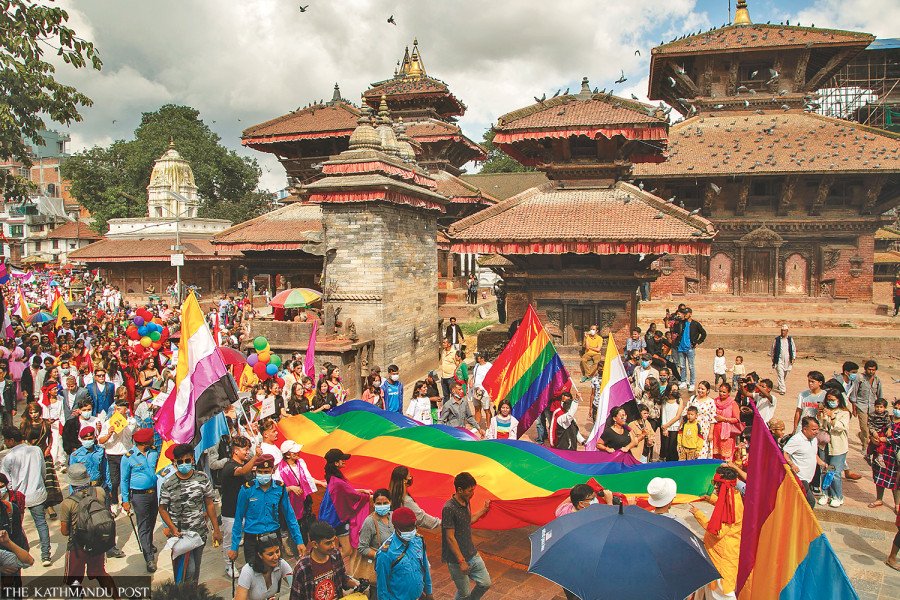
The good news is that Nepal already has the infrastructure needed to welcome LGBTIQA+ travelers. Kathmandu has a visible LGBTIQA+ community and hosts annual Pride events. The first Pride-related event in Nepal was the Gai Jatra Third Gender March organized by the Blue Diamond Society in 2010. Since then, multiple Pride events have been established, including the Nepal Pride Parade which has been held on the second Saturday of June since 2019.
Pokhara's relaxed and welcoming atmosphere has long attracted diverse visitors from around the world. The natural beauty, adventure activities, and cultural experiences are already there.
What's missing is clear communication to LGBTIQA+ travelers that they are welcome. This means:
Businesses need to clearly show they welcome LGBTIQA+ guests
Travel companies should join the International LGBTIQA+ Travel Association (IGLTA)
Hotels and tour operators need to market themselves to this community
Destinations need to promote themselves as safe and welcoming
Why This Matters Beyond Money
LGBTIQA+ tourism does more than just bring in tourist dollars. It creates positive change for local LGBTIQA+ communities too. When international travelers arrive openly as same-sex couples, it helps normalize diversity. This makes life easier and safer for Nepali LGBTIQA+ citizens.
When tourism businesses signal that they welcome all travelers, they become safer spaces for local LGBTIQA+ staff and customers. The money that businesses can earn from welcoming LGBTIQA+ tourists gives them a practical reason to support equality. In this way, economic benefits work together with social progress.
Nepal's First-Mover Advantage
Nepal has a special opportunity right now. As laws slowly change across Asia, more countries will compete for LGBTIQA+ travelers. Nepal can establish itself as the welcoming Himalayan destination before other countries catch up.
Think about Nepal's neighbors. Bhutan, Tibet, and northern India are not options for LGBTIQA+ travelers who want legal safety and social acceptance. Nepal is the clear choice in the region. But this advantage won't last forever. Nepal needs to act now to build its reputation and capture this market.
The Path Forward
Capturing the LGBTIQA+ tourism market requires real commitment, not just rainbow flags during Pride month. Here's what Nepal needs to do:
Show Visible Commitment
Businesses should join IGLTA and display their membership. When LGBTIQA+ travelers research destinations, they look for IGLTA members because it's the global standard for identifying welcoming businesses. This simple step sends a clear message that you understand and welcome LGBTIQA+ guests.
Train Your Staff
Front-line hospitality workers need training on how to welcome diverse guests. This includes understanding that not all couples are male-female, knowing the right words to use, and treating all guests with equal respect. Good training prevents awkward moments and makes LGBTIQA+ travelers feel truly welcome.
Create Authentic Experiences
Nepal shouldn't create separate "LGBTIQA+ tours" as a special product. Instead, integrate LGBTIQA+ inclusion into all of Nepal's core offerings. Trekking, cultural experiences, and wildlife viewing don't need to assume all guests are heterosexual couples. Make all your regular tours welcoming to everyone.
Connect with the Local Community
Create opportunities for LGBTIQA+ travelers to connect with Nepal's local LGBTIQA+ community. Support organizations like the Blue Diamond Society and Queer Youth Group that advocate for LGBTIQA+ rights. These connections make travel experiences more meaningful and help support local progress on equality.
Conclusion
Nepal's legal and cultural foundation for LGBTIQA+ inclusion is already stronger than most people realize. The 2007 Supreme Court decision, the 2015 constitution, and ongoing Pride events show real progress. The opportunity now is to communicate this welcome clearly to travelers who are making decisions about where to go.
The businesses and destinations that take action now to welcome LGBTIQA+ travelers will build loyalty with a high-value market. LGBTIQA+ travelers remember who welcomed them first, and they tell their friends and community about it.
Nepal has the laws, the culture, the natural beauty, and the experiences. Now it needs the marketing and the visible commitment to show LGBTIQA+ travelers around the world that Nepal is ready to welcome them with open arms.
Frequently Asked Questions (FAQ)
Is Nepal safe for LGBTIQA+ travelers?
Yes, Nepal is considered one of the safest countries in Asia for LGBTIQA+ travelers. Same-sex relationships are legal, and the constitution protects against discrimination based on sexual orientation and gender identity. While Nepal is still a conservative country in rural areas, LGBTIQA+ travelers generally do not face legal risks or hostility. Most travelers report feeling safe and welcome throughout their visit.
Can same-sex couples get married in Nepal?
Nepal has allowed temporary registration of same-sex marriages since April 2024. However, these temporary registrations do not currently grant same-sex couples the same legal rights as opposite-sex couples. Same-sex couples cannot inherit property, receive tax subsidies, make spousal medical decisions, or adopt children. The Supreme Court is expected to deliver a final ruling on full marriage equality, but this has been delayed.
What is the best time to visit Nepal for LGBTIQA+ travelers?
The best times to visit Nepal are during spring (March to May) and autumn (September to November). These seasons offer clear skies, comfortable temperatures, and excellent conditions for trekking. Spring brings blooming flowers and lush green mountains, while autumn offers crystal clear mountain views. The monsoon season (June to August) brings heavy rainfall that can disrupt travel plans, though it also offers stunning natural beauty.
Are there LGBTIQA+ events and Pride celebrations in Nepal?
Yes, Nepal hosts multiple Pride events. The Nepal Pride Parade has been held on the second Saturday of June since 2019. Additionally, the Blue Diamond Society organizes Pride events during August or September, often coinciding with the traditional Gai Jatra festival. These events feature colorful marches through Kathmandu celebrating LGBTIQA+ rights and visibility.
What should LGBTIQA+ travelers know about public displays of affection in Nepal?
While Nepal has progressive laws, it remains a conservative society, especially outside major cities. Public displays of affection between same-sex couples may draw attention or make locals uncomfortable, particularly in rural areas. However, it is worth noting that in Nepali culture, it is common to see people of the same gender holding hands or showing affection as signs of friendship. Use your judgment based on your surroundings.
Are there LGBTIQA+ friendly hotels and tour operators in Nepal?
Yes, several hotels, guesthouses, and tour operators in Nepal specifically cater to LGBTIQA+ travelers. Cities like Kathmandu and Pokhara have LGBTIQA+ friendly accommodations and businesses. Pink Mountain Travels and Excursion, founded in 2011, is Nepal's first LGBTIQA+ focused travel agency. Many other tour operators now offer inclusive experiences and employ LGBTIQA+ guides.
Nepal Homestays is a proud member of the International LGBTIQA+ Travel Association (IGLTA), the global leader in advancing LGBTIQA+ travel. This membership ensures that LGBTIQA+ travelers receive welcoming, safe, and authentic homestay experiences throughout Nepal.
What is the Blue Diamond Society?
The Blue Diamond Society is Nepal's leading LGBTIQA+ rights organization. Founded in 2001, it has been instrumental in advocating for legal protections, social acceptance, and equality for LGBTIQA+ Nepalis. The organization provides support services, organizes Pride events, and works with the government on policy changes. International LGBTIQA+ travelers can connect with the Blue Diamond Society to support their work and learn about local community efforts.
Can LGBTIQA+ travelers participate in trekking and adventure activities?
Absolutely! LGBTIQA+ travelers can participate in all of Nepal's adventure activities, including trekking to Everest Base Camp, Annapurna Circuit, and other popular routes. In April 2023, the Nepal Tourism Board partnered with the Nepal Mountaineering Academy to create the first trekking guide training program specifically for LGBTIQA+ individuals. This ensures that LGBTIQA+ travelers can hire guides who understand and welcome them.
Do I need to identify my gender on arrival in Nepal?
Nepal is progressive in allowing travelers to select their gender identity on official documents. When you arrive in Nepal, the tourist arrival card includes a "third gender" or "other" option in the gender section, reflecting the country's recognition of gender diversity. This is based on self-identification.
How accepting are local people toward LGBTIQA+ travelers?
Nepali people are known for their hospitality and follow the saying "guests are gods." While attitudes vary between urban and rural areas, most Nepalis are welcoming to all travelers. Younger generations in cities tend to be more open and accepting. However, it is important to remember that Nepal is still working on social acceptance, and some older or more conservative individuals may not understand LGBTIQA+ identities. Overall, travelers report positive experiences with local communities.
Get Involved
Support LGBTIQA+ Entrepreneurship in Nepal
Are you interested in helping grow LGBTIQA+ hosts and entrepreneurs in Nepal? Whether you want to fund, invest, donate, or simply learn more about supporting the LGBTIQA+ tourism community, we'd love to hear from you.
https://forms.gle/B7FR7JYxadtVNx6Y9
For Nepali LGBTIQA+ Hosts
Are you a Nepali LGBTIQA+ individual interested in listing your homestay or creating one? We want to connect with you and help you become part of Nepal's inclusive tourism movement.
https://forms.gle/ZxhRrgdvFWYVvnEn7
Company Admin
Travel writer sharing authentic stories and experiences from Nepal's beautiful homestays.