With fewer than 10,000 red pandas left in the wild, Nepal holds a crucial share of their future. This article explores why traditional conservation fails, how tourism can fund protection, and why traveler choices in eastern Nepal now matter more than ever.
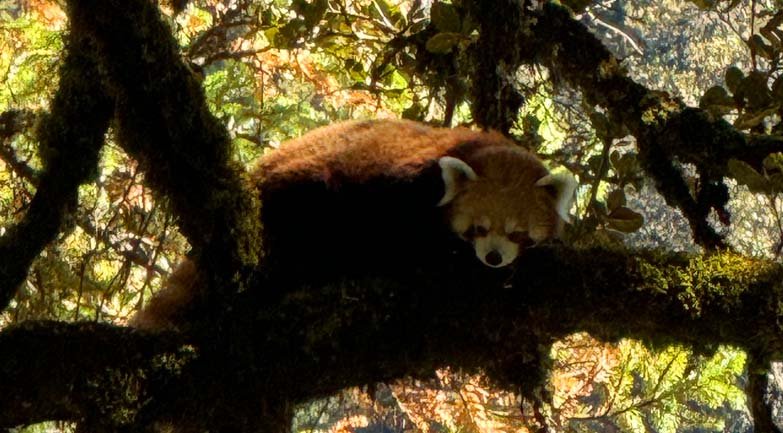
Fewer than 10,000 red pandas remain in the wild. Nepal is home to about 1,000 of them, living in the eastern Himalayan forests. These adorable animals are more than just cute faces. They're indicators of forest health, and their survival is directly tied to the livelihoods of Nepal's mountain communities.
Red pandas need very specific conditions to survive. They live in bamboo forests between 2,200 and 4,800 meters elevation. Climate change, deforestation, and poaching threaten their existence every day. When forests disappear, red pandas disappear with them.
Here's the good news: tourism can save them. But only if it's done right.
Nepal's Red Panda Population at a Glance
The Conservation Economics Problem
Traditional conservation creates a big problem. Forests that protect red pandas could be cut down for timber, cleared to grow crops, or used to feed livestock. For families barely making enough to survive, the cost of saving forests is real and immediate. The benefits like clean air, protecting nature, and climate control are hard to see and don't put food on the table.

This approach doesn't work. Telling farmers to save forests while their children need money for school creates anger, not conservation. Protected areas that keep communities out turn neighbors into enemies, not friends. Conservation history is full of projects that failed because they asked poor communities to pay the costs while the benefits went somewhere else.
Why Traditional Conservation Fails Communities
Traditional conservation methods often create money problems for the communities living closest to endangered animals. Here's why this model doesn't work:
Forests that could make quick money through logging or farming are locked away, leaving families without ways to earn income.
Communities pay the direct costs of conservation while benefits like clean air and healthy ecosystems don't pay for school fees or medical care.
Protected areas that don't allow local people in turn neighbors into enemies rather than conservation partners.
Projects designed by outsiders create dependency rather than building local skills and ownership.
Effective conservation needs to flip this equation. Communities need to make real money from living wildlife. They need enough income that forests full of red pandas become more valuable standing than cut down.
Why Tourism Is the Answer (When Done Right)
Wildlife tourism can create the economic change that conservation needs, but only when it's set up correctly. Not all tourism helps conservation. The way it's designed and run matters a lot.
The Four Conditions for Conservation-Effective Tourism
For tourism to actually protect red pandas rather than just claim to, it must meet these specific conditions:
Money must reach communities directly. A tourist paying $200 to trek through red panda habitat only helps conservation if real money reaches the villages that could otherwise make money from cutting down forests.
Tourists must visit throughout the year. Seasonal tourism that brings crowds for two months and nothing for ten months doesn't create steady income that can compete with year-round options like logging.
The connection between wildlife and income must be clear to locals. Communities that host red panda researchers, guide wildlife treks, and see direct payment for protecting forests understand the money value of conservation.
Local people must lead and control tourism businesses. Outside organizations forcing conservation create dependency that disappears when NGO funding ends, while community-owned businesses build lasting skills.
The Red Panda Network Model
The Red Panda Network has been working in eastern Nepal since 2007. They show what community-based conservation looks like in real life. Their Forest Guardian program hires local people (many of them used to be poachers) to watch red panda populations, protect their homes, and report threats. Guardians earn money directly from conservation work, completely changing how they think about red pandas.

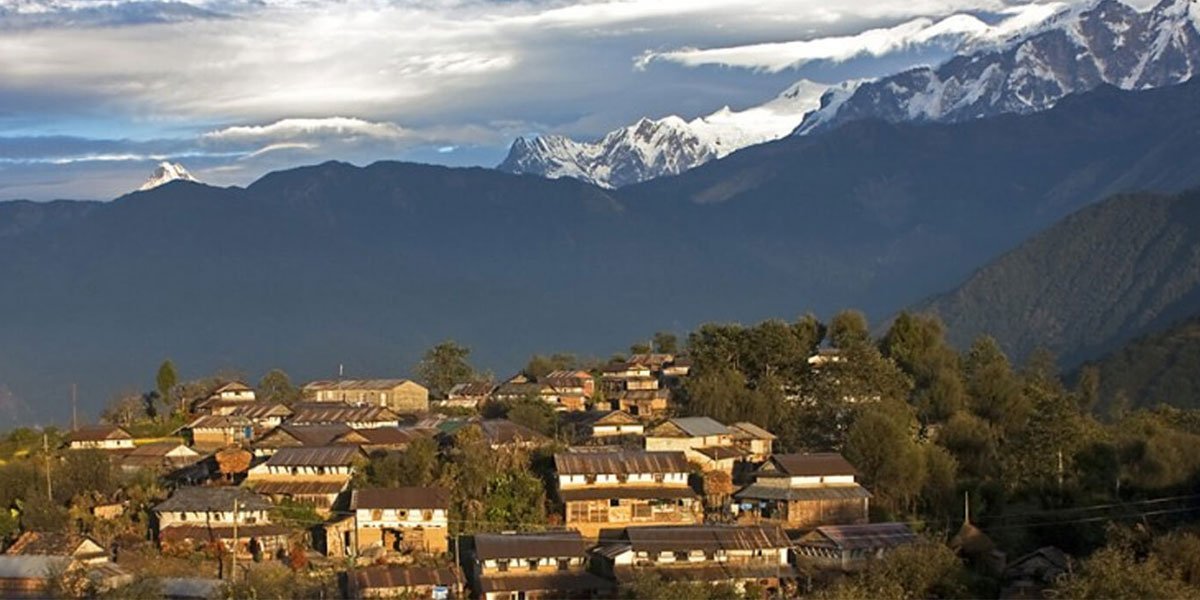
But watching and protecting alone doesn't create long-term money. That needs tourism. Specifically, tourism that brings spending into red panda habitat communities. Travelers who visit Ilam or Panchthar, stay in local hotels, hire local guides, and pay for experiences in red panda areas create the economic foundation that conservation needs.
How the Forest Guardian Program Works
The Forest Guardian program creates a direct way for communities to make money from conservation by hiring community members as paid protectors of red panda habitat:
Local residents, including people who used to poach animals, earn regular income by watching red panda populations and tracking their movements through the forest.
Guardians protect habitat from illegal logging, poaching, and other threats while reporting conservation problems to authorities.
The program provides training in wildlife watching, data collection, and conservation skills that build valuable abilities.
Communities see real proof that living red pandas make more money than dead ones or cleared forests.
This isn't ecotourism as just a marketing word. It's ecotourism as a way to pay for conservation. Every traveler who spends money in these communities makes the case stronger for protecting forests rather than cutting them down.
Why This Matters Now
Eastern Nepal's red panda habitat faces growing pressure from many directions. The chance to make tourism work as a way to protect forests instead of destroying them is getting smaller each year.

Urgent Threats to Red Panda Habitat
The threats to eastern Nepal's red panda populations are getting worse, making quick action important:
New road construction opens forests that used to be too remote for logging companies to reach and make money from cutting trees.
Climate change hurts the bamboo growth cycles that red pandas need for food, leaving less nutrition available in their habitat.
Young people move to cities and Gulf countries for work, leaving fewer people in communities to take care of forests the traditional way.
Once forests get broken into pieces and panda groups get separated, their genetic health goes down and fixing the problem becomes much harder and more expensive.
The chance to make tourism work as a way to save forests is getting smaller. Once forests are broken up and panda groups are separated, recovery becomes much harder. The money spent now on helping communities run tourism, building trails, and creating homestay networks will decide whether red panda habitat survives.
Nepal's Unique Advantages
Nepal has benefits that other red panda countries don't have, creating a special chance to lead conservation efforts in the region:
The country has a more stable government compared to Myanmar, where fighting disrupts conservation programs.
Eastern Nepal has easier terrain to reach than Bhutan, making tourism development more possible and affordable.
Nepal's existing trekking tourism setup can expand eastward into red panda habitat areas without starting from zero.
Strong laws for community forestry provide a foundation for community-based conservation tourism.
The question is whether these advantages turn into real conservation action before habitat loss makes it too late.
The Traveler's Role
This isn't asking for donations. Travelers to eastern Nepal aren't doing charity work. They're visiting some of the most beautiful and untouched temperate forests in the Himalayas, having cultural experiences you can't find in crowded trekking areas, and seeing wildlife that's becoming rare everywhere else.
But the choices travelers make decide whether tourism money reaches communities or gets taken by middlemen. How you book and travel matters as much as whether you visit at all.
How Your Travel Choices Impact Conservation
The way you book your trip decides whether your spending actually protects red pandas or just makes rich businesspeople in Kathmandu richer:
Book through locally-owned businesses rather than international websites that take most of your spending before it even reaches Nepal.
Stay in community-run hotels and homestays where your room payment directly helps the families protecting red panda habitat.
Hire community members as guides who know the forest well and have a real reason to care about conservation because it affects their income.
Choose tours set up to involve local people at every step rather than tours where local communities are just background scenery to foreign-run experiences.
The red panda's future isn't decided by panda biology. It's decided by money. Specifically, whether communities make enough money from living pandas to protect them. Tourism is the most promising way to deliver that income. What's left is making sure the tourism that comes to eastern Nepal is set up to actually work.
How You Can Help
Supporting red panda conservation through tourism doesn't need special skills or large donations. It requires making careful choices about how you travel and where your money goes.
Take Action Now
Whether you're planning a trip to Nepal or simply want to support conservation from where you are, here are specific steps you can take:
Plan a trip to eastern Nepal and ask for community-based hotels and locally-hired guides when you book your trip.
Share information about red panda conservation and community-based tourism with other people planning Nepal travel.
Choose travel companies who are honest about how much of your payment actually reaches local communities.
Stay longer in red panda habitat communities rather than rushing through quickly, because longer visits create more steady money for families.
Nepal Homestays supports the Red Panda Network and partners with communities in eastern Nepal's red panda habitat.
Frequently Asked Questions (FAQ)
Where can I see red pandas in Nepal?
Red pandas are found in the temperate forests of eastern Nepal, primarily in the districts of Ilam, Panchthar, Taplejung, and Sankhuwasabha, as well as in pockets of Langtang National Park. These elusive animals live at elevations between 2,200 and 4,800 meters in bamboo forests. While sightings are never guaranteed due to their shy nature and declining numbers, your best chances are in community forests where local guides understand red panda behavior and habitat. The act of visiting these areas and staying in community accommodations supports conservation regardless of whether you see a red panda.
What is the best time to visit for red panda trekking?
The best times to visit red panda habitat are during spring (March to May) and autumn (September to November). Spring offers blooming rhododendrons and active wildlife, while autumn provides clear mountain views and comfortable temperatures. Winter (December to February) can be very cold at higher elevations, and the monsoon season (June to August) brings heavy rainfall that makes trekking difficult. However, red pandas are present year-round, and visiting during shoulder seasons can provide a more intimate experience with fewer tourists.
How does my visit actually help red pandas?
When you stay in community-run homestays, hire local guides, and eat in community restaurants, your money goes directly to families who would otherwise profit from logging or converting forest to farmland. This creates a clear economic incentive for communities to protect red panda habitat rather than exploit it. Additionally, many community-based tourism programs contribute a portion of revenue directly to forest monitoring and anti-poaching efforts. The more tourists who visit and spend locally, the stronger the economic case becomes for keeping forests standing.
Are red panda treks difficult?
Red panda habitat exists at elevations between 2,200 and 4,800 meters, so these treks do involve significant altitude and often steep terrain. Most treks require moderate to good fitness levels and some acclimatization to altitude. However, there are options for different fitness levels, from easier day hikes in lower-elevation forests to multi-day treks into more remote habitat. Local guides can help you choose an appropriate route based on your experience and physical condition.
Can I volunteer with red panda conservation?
Several organizations working in red panda conservation accept volunteers, though opportunities vary by season and program capacity. The Red Panda Network occasionally accepts volunteers for specific projects, and some community-based tourism enterprises welcome longer-term volunteers who can contribute skills in areas like marketing, website development, or guide training. However, the most impactful thing most people can do is visit as a responsible tourist, as this creates sustainable revenue that outlasts any individual volunteer placement.
What should I bring on a red panda trek?
Essential items include warm layered clothing (temperatures can drop significantly at higher elevations), waterproof jacket and pants, good hiking boots, sun protection, water purification tablets or filter, basic first aid kit, and any personal medications. Binoculars are highly recommended for wildlife viewing. Many community-based treks can provide sleeping bags and trekking poles if needed. Your guide can provide a detailed packing list based on your specific itinerary and season of travel.
How much does a community-based red panda trek cost?
Costs vary depending on trek length, season, and level of service, but expect to pay approximately $50-$100 per day for community-based treks that include guide, accommodations, and meals. This is comparable to or slightly less than standard trekking routes, but a much higher percentage of your payment goes directly to local communities. Some programs charge a separate community conservation fee (typically $10-$20 per person) that funds forest monitoring and protection activities.
Is it safe to trek in red panda habitat?
Yes, trekking in eastern Nepal's red panda habitat is generally safe when you trek with experienced local guides. The main safety considerations are altitude-related (proper acclimatization is important), weather (be prepared for sudden changes, especially during monsoon), and basic trekking safety (good boots, watching your footing on steep trails). The regions are politically stable and local communities are welcoming to tourists. Wildlife encounters pose minimal danger – red pandas are shy and avoid humans, and dangerous wildlife like leopards are rarely encountered.
What other wildlife might I see?
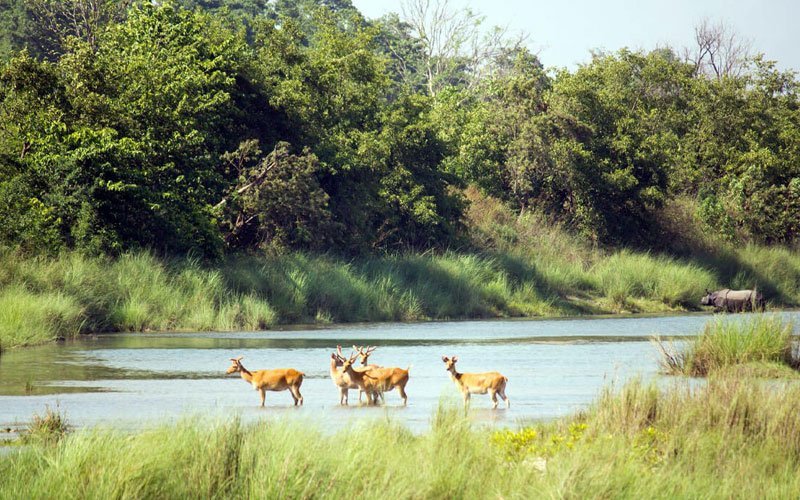
Red panda habitat is rich in biodiversity. You may also encounter Himalayan black bears, yellow-throated martens, wild boar, barking deer, and occasionally clouded leopards. The forests are home to over 300 bird species including pheasants, laughingthrushes, and various birds of prey. Even if you don't see a red panda, the forest experience and wildlife diversity make these treks worthwhile. Local guides are skilled at spotting and identifying the many species that share red panda habitat.
How can I ensure my visit benefits local communities?
To maximize local benefit, book directly with community-based tourism enterprises rather than through international platforms, stay in locally-owned homestays and guesthouses, hire local community members as guides and porters, eat in local restaurants, buy handicrafts directly from artisans, and choose longer stays in fewer places rather than rushing through many locations. Ask your tour operator what percentage of your payment goes to local communities – reputable operators will be transparent about this.
Company Admin
Travel writer sharing authentic stories and experiences from Nepal's beautiful homestays.